Cost of a Cord of Firewood: What You’ll Really Pay (and How to Save)
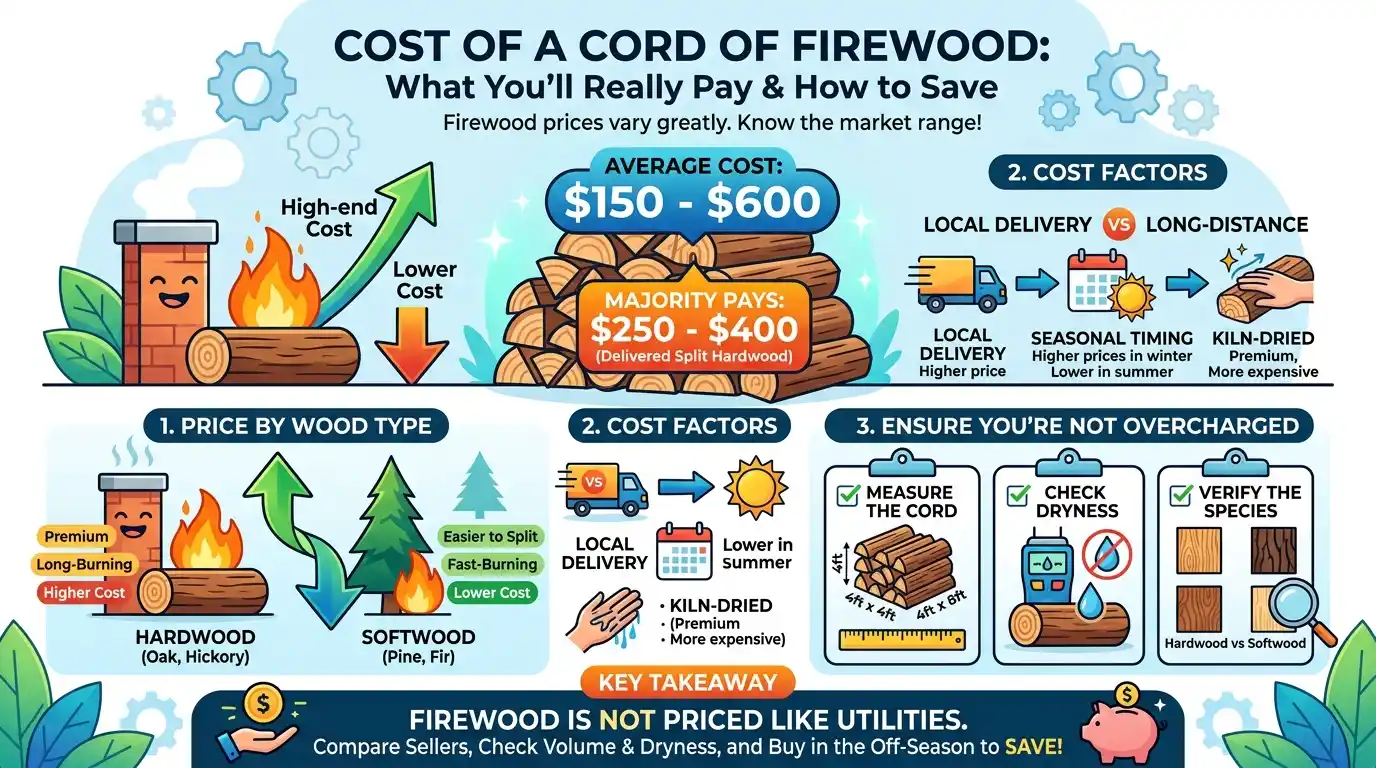
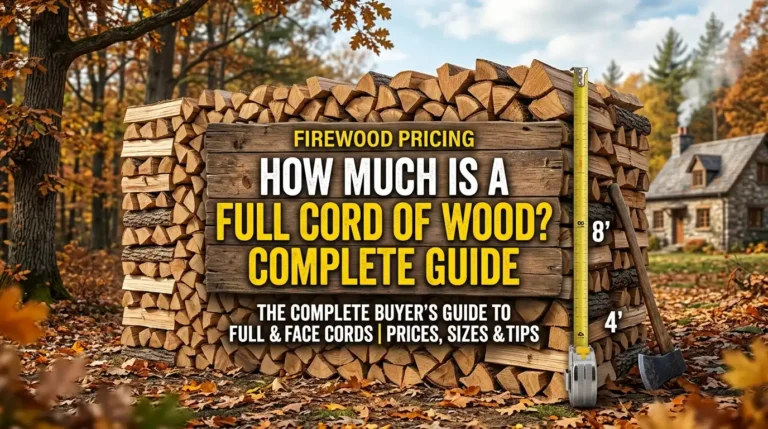
An average cord of firewood is between 150 and 600 dollars, with the majority of homeowners paying between 250 and 400 dollars or so to have the split, seasoned hardwood delivered locally. Softwood is cheaper, and high-quality hardwood such as oak or hickory is more expensive; kiln drying or long-distance delivery can raise the price to over $600. The species of wood you live in, the time of the year you purchase, and even the species of wood, all vary that number more than nearly anything.
That’s the short version. You will see the complete breakdown below: price by wood type, by cord size, by region, and the specifics to look at to ensure you are not overcharged or under-volume.
Key takeaway: Firewood is not priced like gas or electricity. Two sellers ten miles apart may charge a thousand miles more or less for the same wood, and it is a good thing to know the true market range.
What Exactly Is a Cord of Firewood?
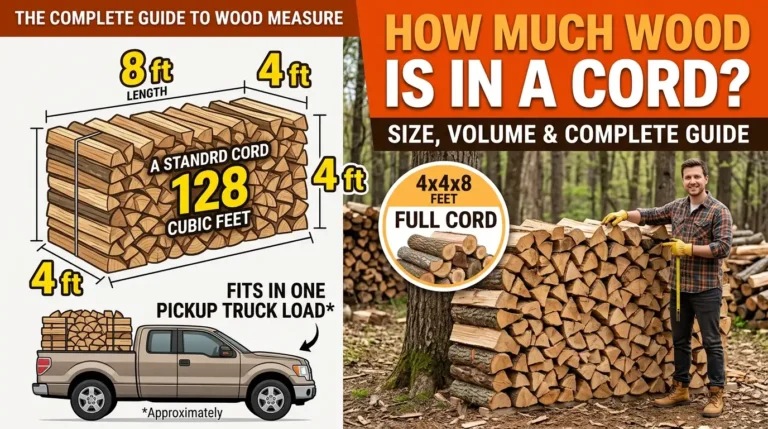
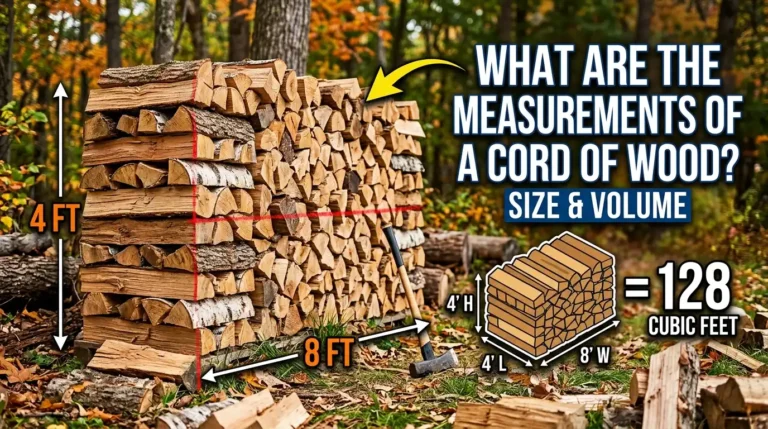
A cord is a piled-up volume of wood, 4 feet high, 4 feet deep, and 8 feet long or 128 cubic feet. It is the legal definition of most states of sale of firewood, and it is the figure that any price comparison must be measured against. For a closer look at how that stack should actually appear once it’s unloaded, see this breakdown of what a full stack looks like in person.
An average cord will have between 600 and 800 separate pieces of split wood, and weigh between 2,500 and 5,000 pounds depending on the species and its dryness. If you want the exact figures by species and moisture level, this species-by-species weight comparison covers it in more detail.
Full Cord vs Half Cord vs Face Cord
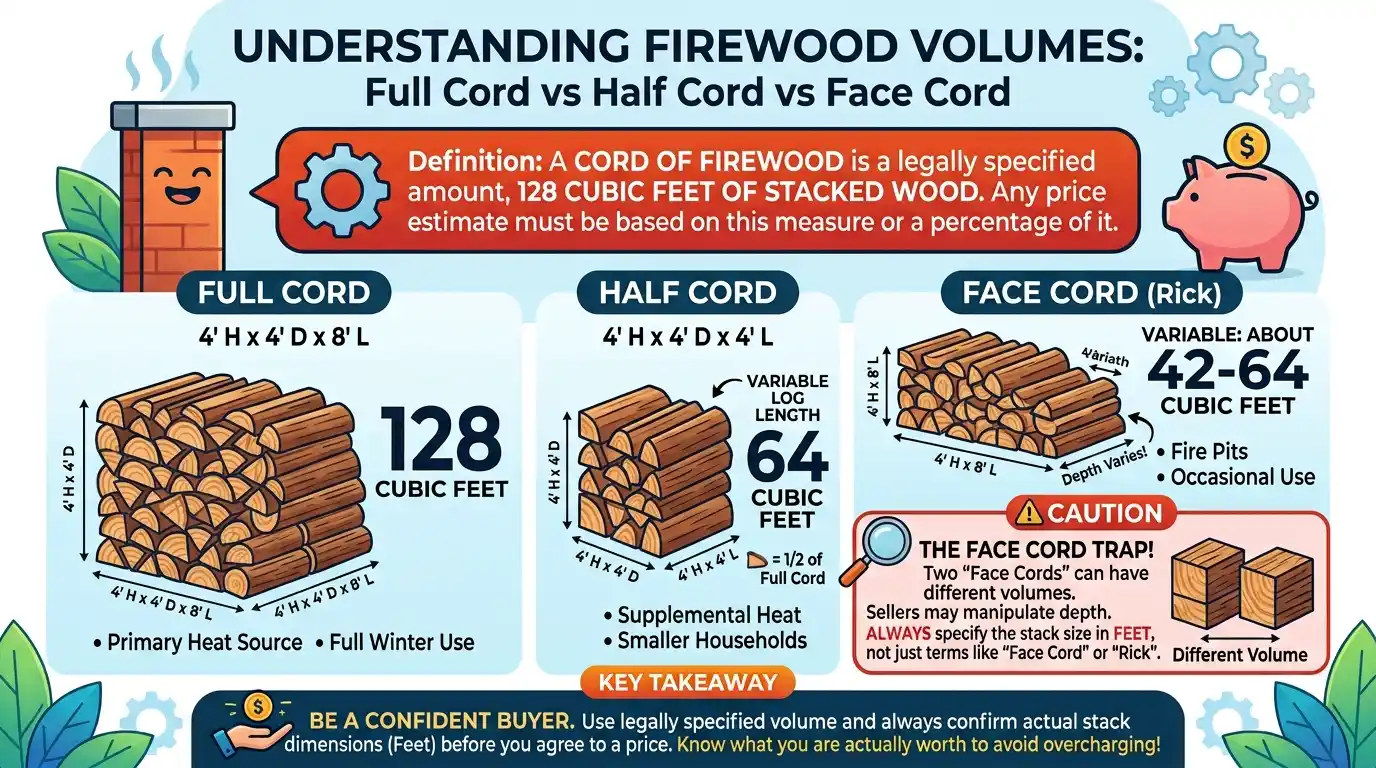
Sellers hardly ever sell full cords, and this is where much confusion on the part of buyers (and much overcharging) occurs.
| Measurement | Volume | Typical Stack Size | Best For |
|---|---|---|---|
| Full cord | 128 cubic feet | 4′ x 4′ x 8′ | Primary heat source, full winter |
| Half cord | 64 cubic feet | 4′ x 4′ x 4′ | Supplemental heat, smaller households |
| Face cord (rick) | About 42 to 64 cubic feet, depending on log length | 4′ x 8′ x (log length) | Fire pits, occasional fireplace use |
The one to watch is a face cord. Since the depth of a cut of logs depends on the length of the cut, two face cords of different sellers may contain significantly different quantities of wood. Always specify the size of the stack in feet, not merely the term face cord or rick.
For a side-by-side look at how these terms get mixed up and what each one is actually worth, check out this guide to telling the two apart, and if a seller specifically quotes you a rick, this explainer on that exact term is worth a read before you agree to a price.
Callout box: Definition
A cord of firewood is a legally specified amount, 128 cubic feet of stacked wood. Any price estimate must be pegged on this measure, or to a well-known percentage of it.
Average Cord of Firewood Prices by Wood Type
Wood species influences the price and the amount of heat you receive per money. Both are driven by density and moisture content.
| Wood Type | Category | Average Price per Full Cord | Approx. BTUs per Cord |
|---|---|---|---|
| Pine, spruce, fir | Softwood | $120 to $250 | 15 to 20 million |
| Ash, birch | Mixed hardwood | $200 to $350 | 20 to 24 million |
| Maple, cherry | Hardwood | $250 to $400 | 22 to 26 million |
| Oak | Hardwood | $275 to $450 | 24 to 29 million |
| Hickory, black locust | Premium hardwood | $350 to $600+ | 26 to 33 million |
Lightweight and cheaper, softwoods are a sensible option when it comes to kindling or short-term fires. Dense hardwoods such as oak and hickory are more expensive per cord, but longer burning and generate more heat per log, and thus the cost per hour of heat may be less than the sticker price indicates.
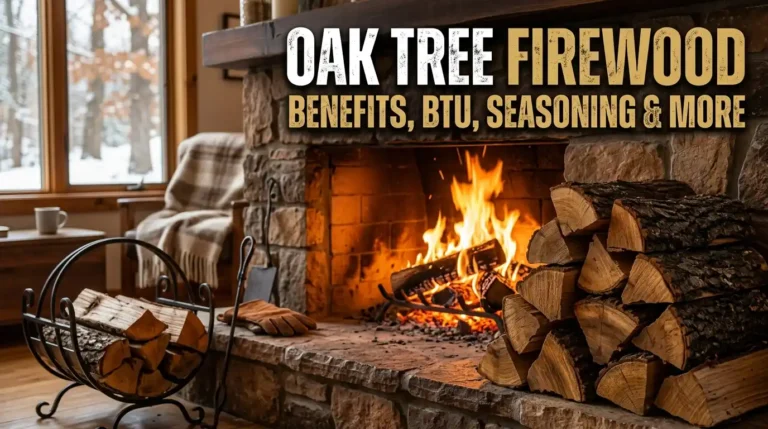
If you’re weighing oak specifically, this rundown on its heat output and how long it needs to dry can help you decide if it’s worth the premium, and for red oak in particular, this species-specific burning guide breaks down what to expect.
Buyers comparing ash or birch instead should take a look at this practical guide to burning ash and this look at whether birch qualifies as a true hardwood. Maple shoppers can get the same detail from this guide on maple’s burn quality and seasoning needs.
Expert tip: When heating a house during the winter, you should focus on BTU output rather than initial cost. A cheaper softwood cord which burns out in six weeks can cost more in the long run than a hardwood cord which burns in twelve.
Cord of Firewood Prices by Size
| Size | Price Range | What It Covers |
|---|---|---|
| Full cord | $150 to $600+ | Full winter heating for most households |
| Half cord | $80 to $300 | Occasional wood stove or fireplace use |
| Face cord | $80 to $200 | Fire pits, weekend fires, ambiance |
| Bundle (fire pit pack) | $5 to $10 | Single-use, grocery or gas station firewood |
Purchasing in large quantities nearly always reduces the per-cubic-foot price. When you are sure that you will burn wood each winter, a full cord bought once, then stored and seasoned properly, will be cheaper in the long run than half-cord or face-cord purchases made every year.
Firewood Prices by Region
Local supply alters all things. States that have a high supply of hardwood forest and low distance of delivery will have lower prices whereas dry or low wood areas will be paying higher prices.
| Region Type | Typical Full Cord Price | Why |
|---|---|---|
| Dense forest states (Northeast, upper Midwest, Pacific Northwest) | $200 to $350 | Local supply keeps transport costs low |
| Mixed-supply states (Mid-Atlantic, parts of the South) | $250 to $450 | Moderate supply, moderate demand |
| Low-supply or arid states (Southwest, parts of the Plains) | $350 to $700+ | Wood often trucked in from farther away |
When you are not certain of your location, call two or three local sellers and request them to quote you a price to deliver, stacked, and a full-cord price. That will provide you with a true local baseline at a faster rate than any national average.
What Affects the Cost of a Cord of Firewood
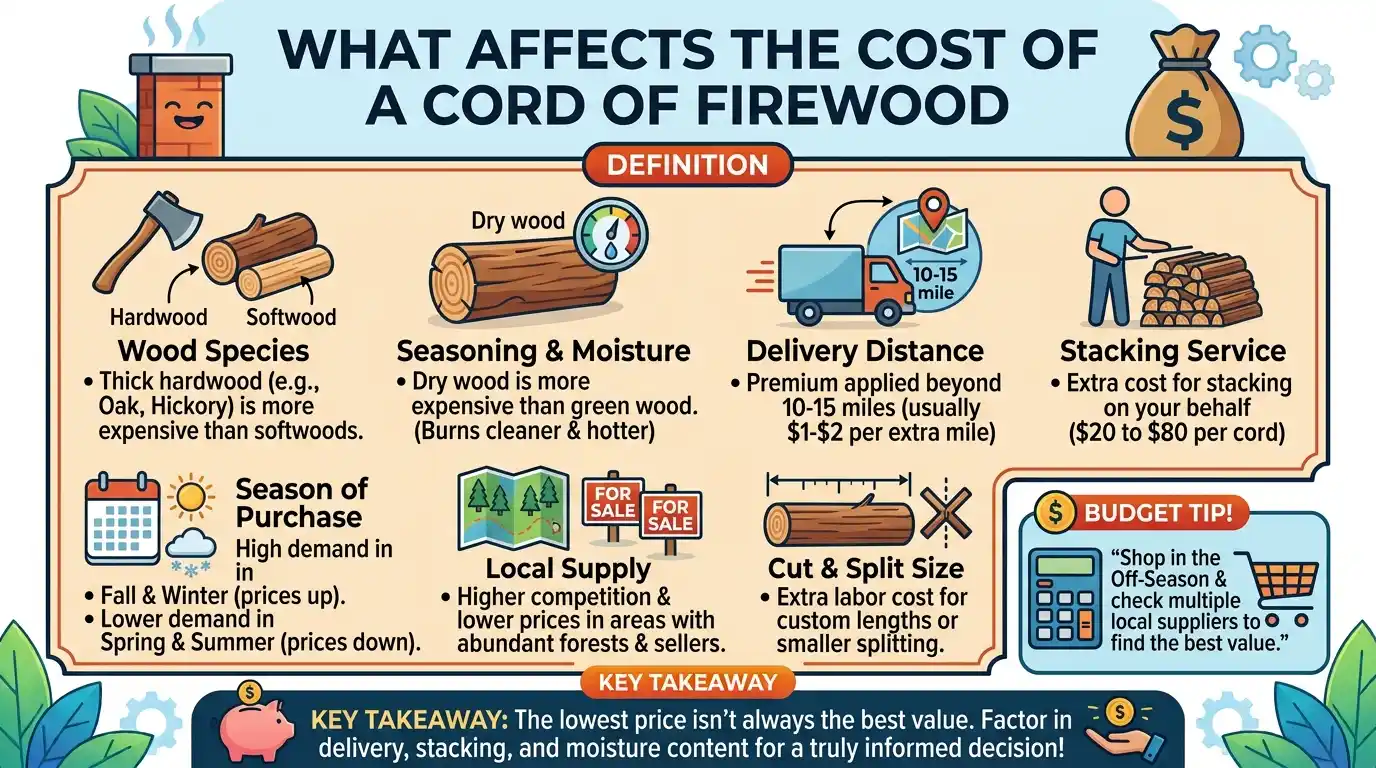
The final price you pay is determined by a number of factors:
- Wood species. Thick hardwood is more expensive than softwoods.
- Seasoning and moisture content. Dry wood is more expensive than green wood, but burns cleaner and hotter.
- Delivery distance. The majority of sellers impose a premium beyond 10 to 15 miles, usually 1 to 2 miles.
- Stacking service. The wood being stacked on your behalf will generally cost you an extra $20 to 80 per cord.
- Season of purchase. During fall and winter when demand is high, prices increase, and decrease during spring and summer.
- Local supply. There is higher price competition in areas where there is greater forest and sellers.
- Cut and split size. Extra splitting or custom lengths may be a cost to labor.
Seasoned vs Green vs Kiln-Dried Firewood: Price Differences
| Type | What It Means | Moisture Content | Typical Price Impact |
|---|---|---|---|
| Green wood | Freshly cut, unseasoned | Above 30% | 30 to 50 percent cheaper than seasoned |
| Seasoned wood | Air-dried, usually 6 to 12 months | Around 20 percent | Baseline market price |
| Kiln-dried wood | Dried in a controlled kiln | Under 20 percent, often much lower | 20 to 50 percent more than air-seasoned |
The reason why green wood is cheaper is that it is more difficult to light, it is more apt to smoke and it can cause creosote to accumulate in a chimney when burned prematurely. When you purchase green wood, you should store and dry it at least six months prior to burning it. Kiln-dried wood is more expensive but it burns readily and is cleaner, so some sellers are selling it as a high-end, ready-to-burn product.
How Much Firewood Do You Actually Need?
This varies depending on your climate, the frequency of burning and whether wood is your main or alternative source of heat.
| Usage Pattern | Estimated Cords Needed per Season |
|---|---|
| Occasional fires (weekends, ambiance) | 0.5 to 1 cord |
| Supplemental heat (used alongside a furnace) | 1 to 2 cords |
| Primary heat source in a mild climate | 2 to 4 cords |
| Primary heat source in a cold climate | 4 to 7 cords |
Important lesson: When wood is your primary heating fuel, purchasing in the early season (spring or summer), rather than when the first frosty day arrives, can save you a significant percentage per cord and allow the wood to season correctly.
How Long Does a Cord of Firewood Last?
A cord of seasoned hardwood, burned in a wood stove, usually burns six to twelve weeks. Compared to dense hardwood, softwood burns more quickly, and it does not stretch as many times as dense hardwood when used. When you are merely making a few fires, and not a complete heating of a house, one cord can easily be made to last all or most of a season.
Where to Buy a Cord of Firewood
- Local firewood dealers. Typically the most favorable price-reliability ratio, particularly when it comes to delivery and stacking.
- Arborists and tree service companies. Frequently offer wood of removals at a discount, occasionally unseasoned.
- Rural and farms sellers. Can charge less when you are nearer to the source, and with self-pickup discounts.
- Hardware stores and big box stores. Easy to carry in small amounts, but an inefficient deal when it comes to complete cords.
- Classifieds and online marketplaces. Has the ability to find good local deals, but check the seller and cord measure prior to payment.
How to Avoid Getting Shorted on Firewood
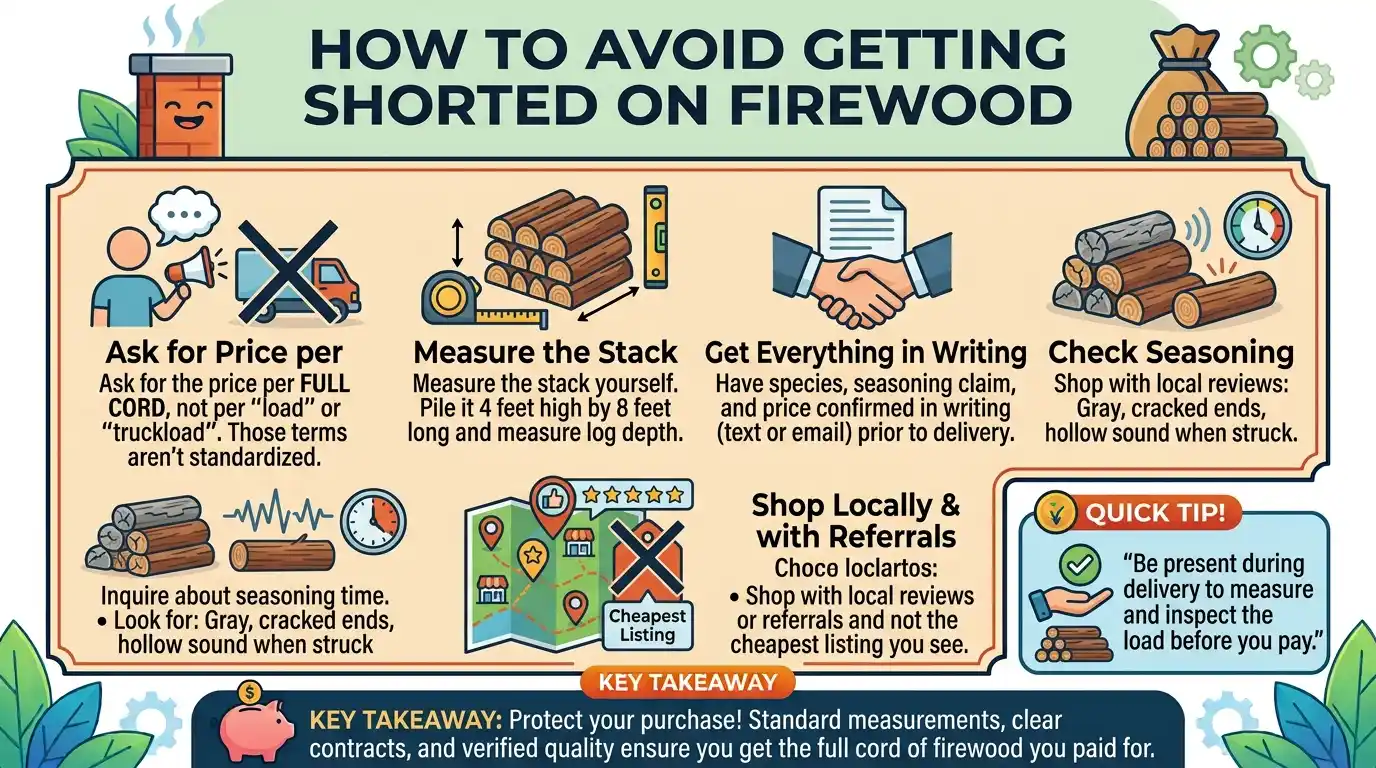
This is among the most frequent grievances in the purchase of firewood and it is simple to guard yourself.
- Ask for the price per full cord, not per “load” or “truckload.” Those terms aren’t standardized.
- Measure the stack delivered yourself. Pile it 4 feet deep by 8 feet long and measure the depth of the logs.
- Have the species, seasoning claim, and price confirmed in writing (text or email counts) prior to delivery.
- Inquire the length of time the wood has been seasoned, and examine on the appearances: gray, cracked ends, hollow sound when two pieces struck together.
- Shop with local reviews or referrals and not the cheapest listing you see.
How to Save Money on Firewood
- Purchase during the spring or summer when demand and prices are lower.
- Purchase a full cord rather than frequent smaller ones. Bulk pricing is nearly always more economical per cubic foot.
- Inquire on self pickup discounts in case you have a truck or a trailer.
- Stack and split it yourself in case the seller sells unstacked wood at a lower price.
- See the local tree companies following storms, as they have to sell wood in a hurry and at low prices.
- Season your own wood, when you have storage space and time, as green wood is significantly cheaper in the short term.
FAQs
What is the price of a cord of firewood?
Firewood costs range between $150 and 600, and most customers spend between 250 and 400 on split, seasoned hardwood that is delivered to their door. Price varies according to wood species, area and season.
What is a cord of firewood?
A cord is a pile of firewood that is 4 feet high, 4 feet deep, and 8 feet long, or 128 cubic feet. It is the legal measure of sale of firewood in the majority of states.
How much is a half cord of firewood?
A half cord typically costs between $80 and 300, half the volume and sometimes nearly half the price of a full cord, but smaller buys are sometimes priced a little higher per unit.
What’s the difference between a cord and a face cord?
There is a complete cord of 128 cubic feet. A face cord, or rick, is generally a third of that, but its size again depends on the length of the logs cut, and so the dimensions of the stack must always be checked.
Would it be cheaper to purchase firewood during the summer?
Yes. During the spring and summer, demand is low and most of the sellers reduce their prices by 20 to 30 percent of the peak fall and winter prices.
Which is the best firewood to purchase to keep warm?
Heavy hardwoods, such as oak, hickory and black locust, burn the longest, and give the most heat per log, and are usually the most economical to primary home heating, although they are more expensive initially than softwood.
Is green firewood more affordable than seasoned firewood?
Green (unseasoned) wood is usually 30 to 50 percent cheaper, but it must be allowed to dry at least six months to a year before it can be efficiently and cleanly burned.
What is the delivery price of firewood?
Delivery can be provided within 10 to 15 miles of the seller. In addition to that, you can expect an additional $1-2 per mile or a flat delivery charge of 25-100.
How shall I know whether I get a full cord?
Delivered, stacked wood measure with your own: 4 feet high by 8 feet long, logs stacked tightly. When the stack does not measure up to 128 cubic feet you did not receive a full cord.
What is the length of a cord of firewood?
A cord of seasoned hardwood is usually burned in a wood stove and lasts six to twelve weeks. With the occasional fires, one cord may last half a season.
Is firewood that is dried in the kiln worth the additional price?
Yes, to be convenient and to burn clean, particularly when you require wood to burn immediately. With time and space, you can save money by air-seasoning your own wood.
How much wood do I need to get me through winter?
Most cold-climate households require 3-7 cords per season to heat their homes primarily. One or two cords is sufficient to be used as a supplement or occasionally.
Why is the price of firewood so different depending on where?
The price is shifted by local forest supply, distance of delivery and demand. Dense forests and a high number of local sellers are likely to have lower and more competitive prices compared to regions that are not well endowed with woods.
Am I able to bargain over the price of a cord of firewood?
Yes, often, particularly when paying in cash, self-picking up, large orders, or off-season purchasing. It doesn’t hurt to ask, particularly with smaller local sellers.
How much should you pay per cord at this time?
As a rough estimate, $250-400 split, seasoned hardwood delivered locally is a reasonable, competitive cost in most areas as of 2026. Check with two local quotes, as local supply moves this range.
Final Thoughts
The cost of a cord of firewood is not a single price, it is a price range that depends on the type of wood, its dryness, your location, and the time of year of purchase. Being aware of the actual market size, and being aware of what a full cord really looks like when it is piled in your yard is what keeps you out of overpaying or being underpaid.
You may take one thing out of this guide, and that is, always have a reference to the 128 cubic foot cord measure, inquire what sort of species and grade of seasoning you are getting, and purchase in the early part of the year where you can. With that mix, you will have the bulk of your firewood money saved in the season.