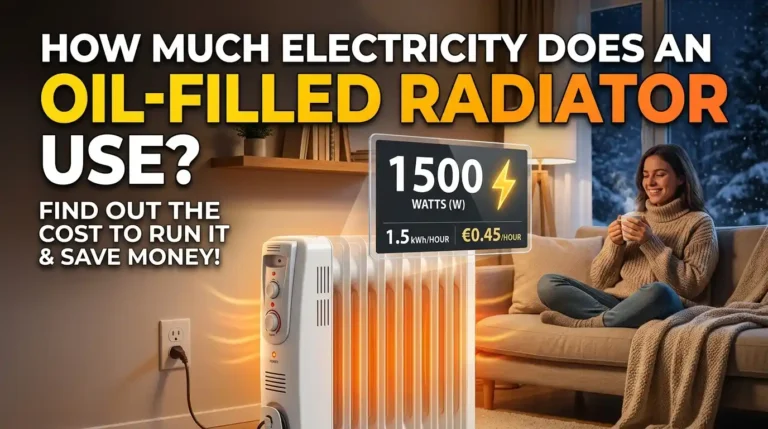
Best Type of Space Heater: Which One Is Right for You?
You turn on a heater, stand before it, and you feel warm as long as you remain before it. After 20 minutes, the room remains cold and you are questioning yourself whether you have purchased the wrong room.
Maybe you did. The most appropriate space heater is based on the room, the duration of use and the occupants of the house. This guide simplifies each type into simple terms, so you can select one with ease.
Quick Answer: What Is the Best Type of Space Heater?
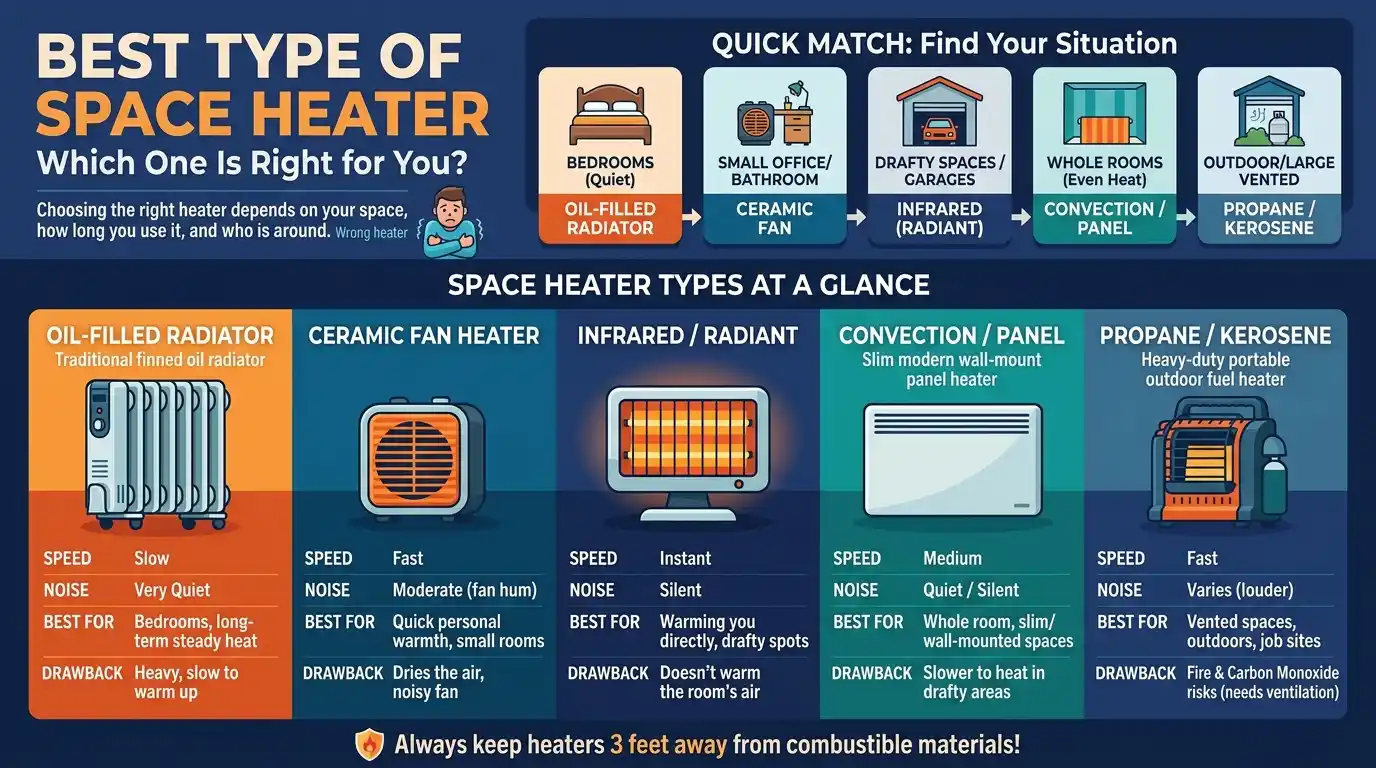
No type is the best one. In most houses: a bedroom, and any other room used all day, should have an oil-filled radiator, a small room should have a ceramic heater, and a drafty room or an open area should have an infrared heater.
| Your situation | Best type |
|---|---|
| Bedroom, quiet and steady heat | Oil-filled radiator |
| Small office or bathroom-rated spot heating | Ceramic fan heater |
| Drafty room, garage, workshop, or warming one person | Infrared (radiant) |
| Whole room, even heat, low noise | Convection or panel heater |
| Very large, vented, or outdoor area | Vented propane or kerosene (with strict safety rules) |
Space Heater Types at a Glance
| Type | How it heats | Speed | Noise | Best for | Main drawback |
|---|---|---|---|---|---|
| Oil-filled radiator | Heats oil, which radiates warmth | Slow | Very quiet | Bedrooms, long use | Slow to start, heavy |
| Ceramic (fan) | Ceramic element and fan | Fast | Moderate (fan) | Small rooms, quick boost | Fan noise, dries air feel |
| Infrared / radiant | Warms objects and people directly | Instant | Silent | Drafty spaces, spot heat | Doesn’t heat the air well |
| Convection | Warm air rises, cool air sinks | Medium | Quiet | Even room heat | Slower in drafty rooms |
| Micathermic / panel | Thin panel, mix of radiant and convection | Medium | Silent | Wall-mount, slim spaces | Modest heat in large rooms |
| Quartz / coil fan | Glowing element plus fan | Fast | Moderate | Cheap spot heating | Basic safety features on cheap models |
| Propane / kerosene | Burns fuel | Fast | Varies | Vented, outdoor, job sites | Carbon monoxide and fire risk |
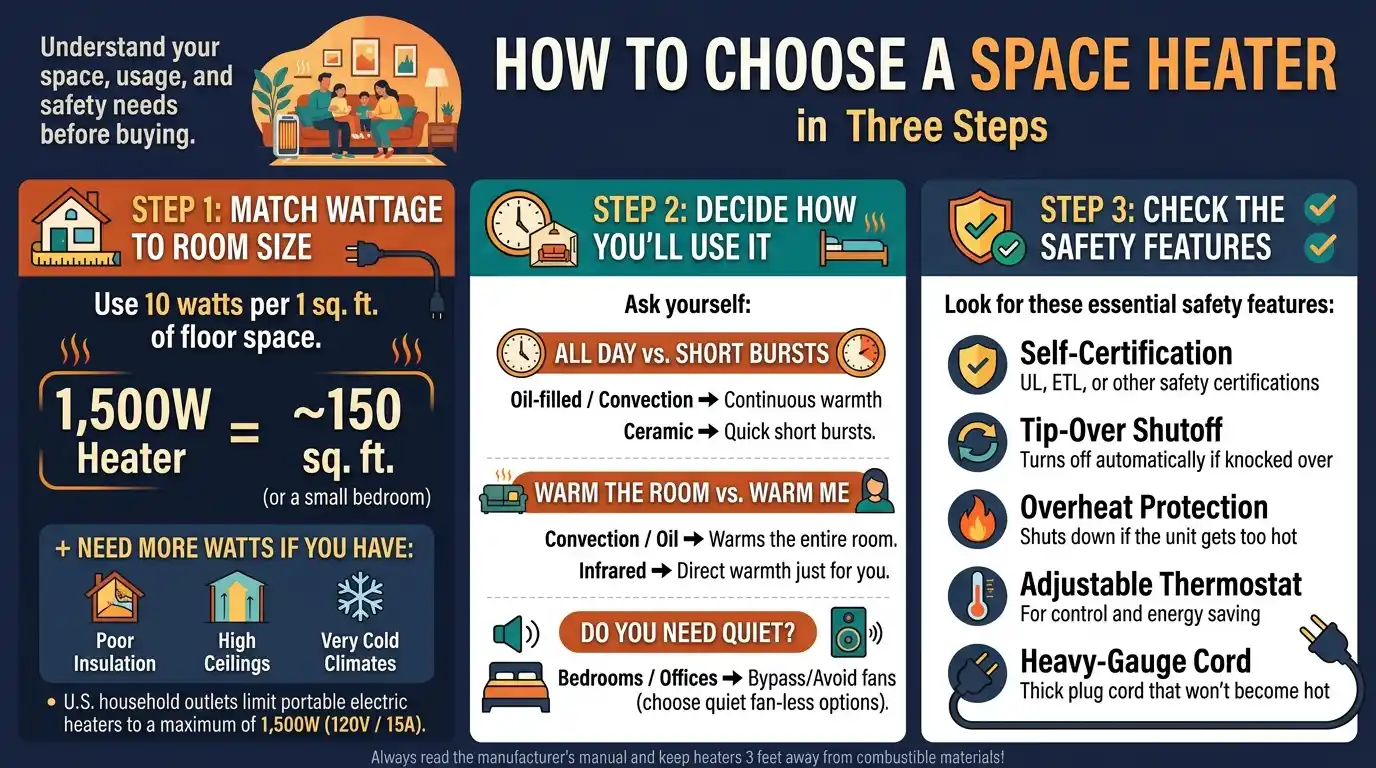
How to Choose a Space Heater in Three Steps
If you want a deeper look at the science first, this breakdown of what actually happens inside a portable heater makes the differences between types easier to understand.
Step 1: Match wattage to room size
One of the general guidelines is 10 watts per square foot of floor area. An average 1,500 watt heater is suitable to serve approximately 150 square feet, or a small bedroom. It is an initial step, not an assurance. The need is increased by poor insulation, high ceilings, and cold climates.
The majority of household outlets in the U.S. are 120 volt circuits, with a 15 amp current limit, and most portable electric heaters are limited to 1,500 watts because of that reason. One kilowatt heater generates approximately 5,100 BTU/h (watts x 3.412).
Step 2: Decide how you’ll use it
Ask yourself:
- All day or some hours? Stable heat is preferential to oil-filled or convection. Ceramic is preferred by short bursts.
- Warm the room or warm me? Convection or oil is warm the room. Infrared is warm me.
- Do you require quiet? Bypass fans in bedrooms and home offices where you receive phone calls.
Step 3: Check the safety features
At least, seek:
- Self-certification of safety (UL, ETL, or other)
- Tip-over shutoff
- Overheat protection
- An adjustable thermostat
- A heavy-gauge plug cord (not to become hot)
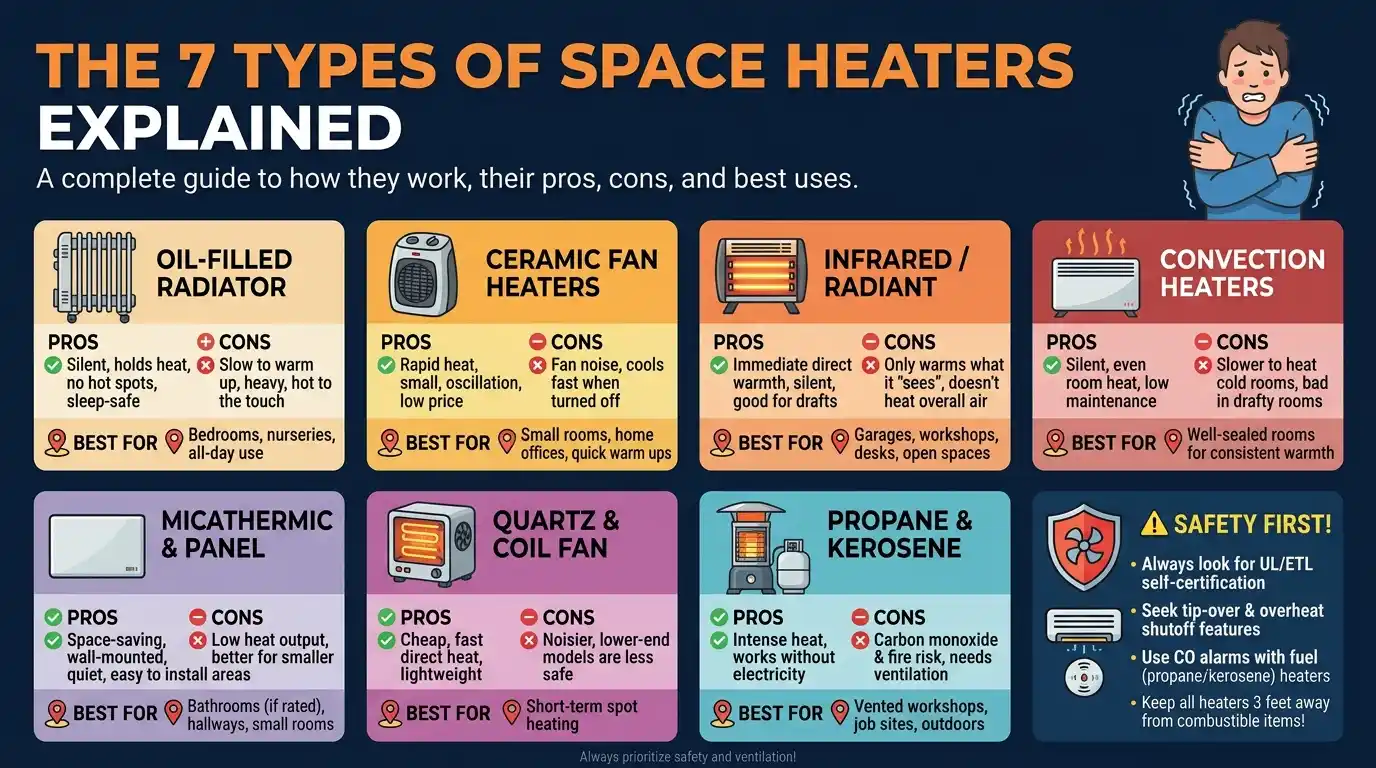
The 7 Types of Space Heaters Explained
1. Oil-Filled Radiator Heaters
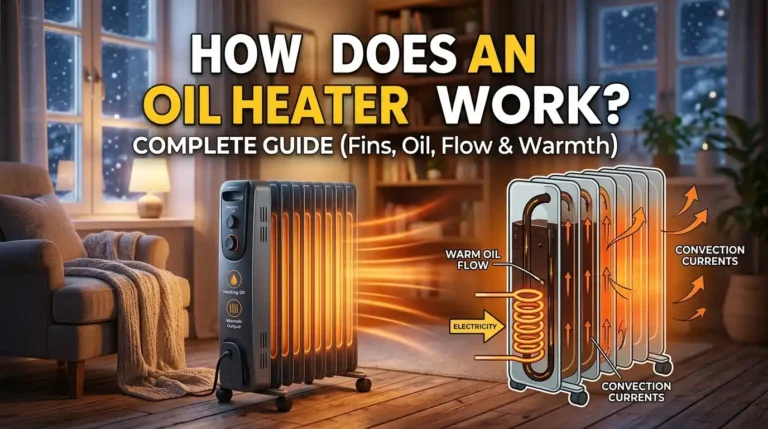
These look like old fashioned radiators. The metal fins absorb the heat and the elements are electric to warm the oil. Since the oil retains heat, the unit continues to radiate heat even after it has been turned off. If you’re curious about the mechanics, this explainer on how the heated oil inside the unit stores and releases warmth walks through it step by step.
Advantages: No noise, consistent warmth, no hot spots, sleep-safe.
Cons: Sluggish warm up, heavy, surfaces are hot to touch.
Best in: Bedrooms, nurseries (where the unit is well out of reach) and rooms that you leave heated all day.
Already own one or about to buy? These dial settings and placement tips for oil-filled units help you get more warmth for less power.
2. Ceramic Fan Heaters
A fan forces warm air outside and an electric heater warms a ceramic element. Tower designs are popular and usually have remote controls and clocks.
Advantages: Rapid heat, small, low priced, most have oscillation.
Cons: Fan noise, and warmth is quickly stopped when it is turned off.
Best for: Small rooms, home offices, and quick warm ups.
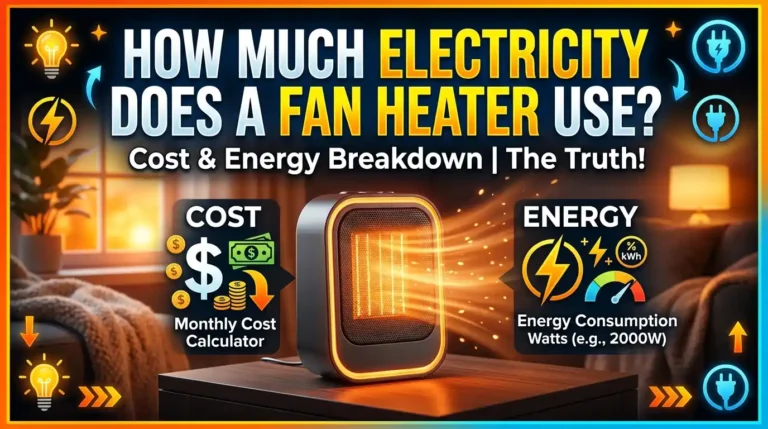
Fan models feel cheap to buy, but running them adds up. See the hourly, daily and monthly power draw of a typical fan heater before you decide.
3. Infrared (Radiant) Heaters
Infrared heaters do not warm the air but instead radiate heat that directly heats surfaces and humans, similar to sunlight. This is why they can be warm immediately.
Advantages: Immediate warmth, no noise, can be used in drafty areas where air conditioning is not effective.
Cons: You can only feel the heat when it is in sight and it does not do much to the overall room temperature.
Ideal use: Garages, workshops, desks and open spaces.
4. Convection Heaters
Convection heaters heat the air, which ascends as cooler air descends to the heater to cause a mild circulation. This is frequently the case with baseboard style and slim wall units.
Advantages: Silent, even temperature of the room, low maintenance.
Cons: Takes longer to heat a cold room, and does not work well in drafty rooms.
Best use: Well sealed rooms where you desire warmth consistency.
5. Micathermic and Panel Heaters
These narrow panels are a combination of radiant and convection heating. They are easy to carry, can be mounted on the wall and remain silent.
Advantages: Space saving, quiet, easy to install.
Cons: The output is typically small, hence they fit in smaller areas.
Best in: Bathrooms (when rated to be used in the bathroom), hallways, and in small rooms.
6. Quartz and Coil Fan Heaters
The low-end of the market. Direct heat is delivered rapidly by a glowing element and a fan.
Advantages: Cheap and easy to carry.
Cons: Tend to be noisier, and lower-end models can be less safe. Make sure the certification is correct.
Ideal use: Short term spot heating.
7. Propane and Kerosene Heaters
These incinerate fuel and generate intense heat with no exhaust. They also generate byproducts of combustion, such as carbon monoxide.
Critical: Only a heater with clear space labeling is to be used, the space should be ventilated and a working carbon monoxide alarm should be used. Indoor kerosene heaters are limited in some states and cities, and must be checked before use. In case of doubt, you should go with an electric model.
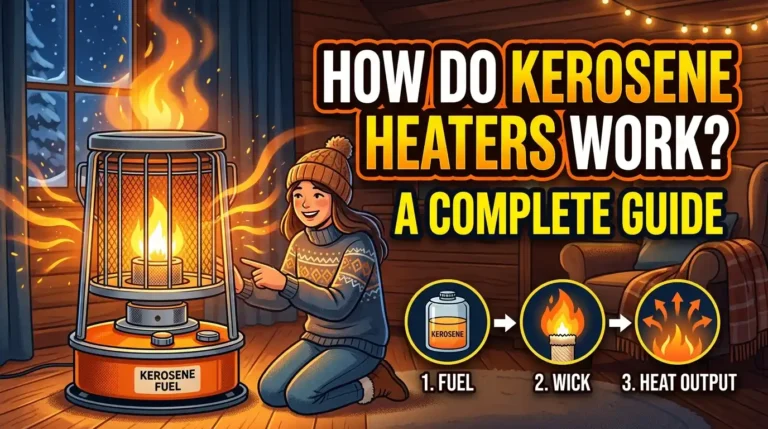
- The science behind burner and wick designs used in kerosene units
- A first-time user walkthrough for lighting and refueling safely
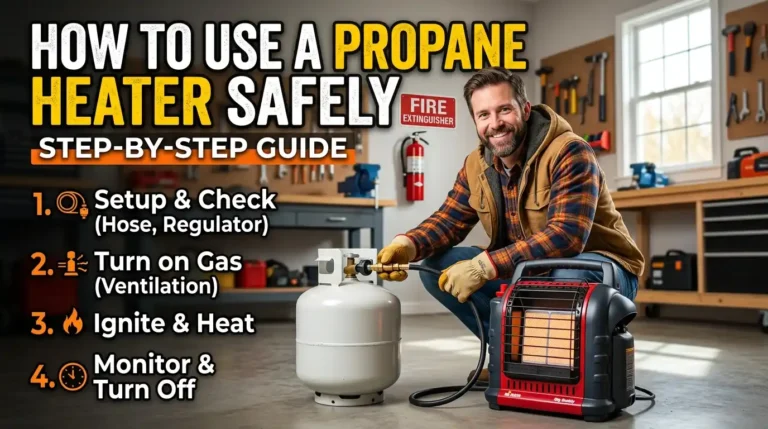
- A practical propane safety routine for connecting, ventilating, and shutting down
If price is a factor, a current price range for kerosene models helps you budget for the heater and its fuel.
Best use: In vented workshops, job sites, and outdoors where it is approved by the manufacturer.
Best Type of Space Heater for Each Room
| Room | Best pick | Why |
|---|---|---|
| Bedroom | Oil-filled or convection | Quiet, steady, no fan hum |
| Home office | Ceramic or infrared | Quick warmth at the desk |
| Living room | Convection or oil-filled | Handles larger, shared spaces |
| Bathroom | Bathroom-rated panel or ceramic | Only use models labeled for damp areas |
| Garage or workshop | Infrared | Warms you, not the drafty air |
| Basement | Oil-filled or convection | Long, steady heating |
| Large open area | Multiple units or a different heating solution | One portable heater rarely covers it |
How Much Does It Cost to Run a Space Heater?
Cost per hour = watts ÷ 1,000 × your electricity rate per kilowatt hour.
To use as an example a 1,500 watt heater and a sample rate of 17 cents/kWh (you will have a different rate, so look at your bill):
- 1.5 kW × $0.17 = about $0.26 per hour
- 8 hours per day = approximately 2.04/day.
- 30 days = about $61 per month
You can find local average residential electricity prices published by the U.S. Energy Information Administration.
Important fact: Essentially all electric resistance space heaters convert all of the electricity they consume into heat. An infrared, oil-filled or ceramic heater of the same wattage is equally expensive to operate per hour at full power. The actual savings are due to thermostat control, heating the room that you are in, and selecting a type that is warm in your case.
Space Heater Safety Checklist
- Directly plugs into a wall socket. Do not use power strips and narrow extension cords.
- Maintain a minimum of 3 feet clearance around it, which is a commonly recommended distance by fire safety agencies, including the NFPA.
- Put it on a hard, flat surface, not on furniture or carpets edges.
- When not in the room or going to sleep, turn it off unless indicated otherwise in the manufacturer manual.
- Check smoke detectors, and install carbon monoxide detectors in case you burn any fuel at home.
- Check the plug and cord. A red-flag is warm, discolored, or loose plugs.
- Do not use an indoor heater in a bathroom unless it is rated to do so.
According to the NFPA, space heaters are involved in a large share of home heating fires and most heating related fire deaths. See their recent report to get up-to-date figures.
Common Mistakes to Avoid
- Purchasing based on appearance rather than size and purpose of the room.
- Having a single heater to heat a large area.
- Using an extension cord.
- Keeping it too near bedding, curtains or furniture.
- Ignoring drafts. Plugging holes can be as effective as an heater.
- Omission of certification labels on low-end models.
When a Space Heater Is Not the Right Answer
When you heat the same area each winter, a ductless heat pump (mini split) can be capable of producing more heat with each unit of electricity. Sealing air leaks and better insulation reduces the amount of heat required too. The Department of Energy in the U.S. has instructions on both. Space heaters are only effective as an addition and not a full home solution.
Simple Decision Tree
- Do you primarily desire to heat yourself? → Infrared
- Need to heat an entire room for hours in silence? → Oil-filled or convection
- Require rapid heat in a compact area? → Ceramic.
- Non-residential, vented and no outlet? → Think about a fuel heater, with vigilant ventilation and CO measures.
FAQs
Which is the most efficient kind of space heater?
Any electric resistance heater is nearly 100% efficient in converting electricity into heat. The most efficient choice is to match the heater to your use and use a thermostat to control it.
Which is the safest space heater?
No portable heater is risk free. Models that have tip-over and overheat shut-off, independent certification, and cool-touch designs are safer. Oil-filled units do not contain a glowing element, but their surfaces may become hot.
Ceramic or oil-filled, which is better?
Ceramic heaters warm up quicker but tend to make noise. Oil-filled heaters warm up slowly but operate silently and retain heat longer. Choose ceramic when a quick boost is needed and oil-filled when you need to use it for longer periods.
Are infrared heaters worth it?
Yes, in the right place. They do a great job of warming people and objects in garages, workshops, and drafty places, but they do not heat the air in the same way as convection heaters.
Which is the most appropriate space heater for a bedroom?
A convection heater or oil-filled heater is typically a good choice because it is quiet and provides continuous warmth.
Can a space heater be left on overnight?
Safety agencies usually recommend switching off heaters when you go to sleep or leave the area. If you use one, read the manual, maintain proper clearance, and use a certified model with appropriate safety features.
How many watts do I need to heat a room?
Start with about 10 watts per square foot. About 150 square feet requires a 1,500-watt heater, while colder or draftier rooms may require more.
How much does it cost to run a space heater?
Divide the heater’s wattage by 1,000 and multiply by your electricity rate. A 1,500-watt heater at 17 cents per kWh will cost approximately 26 cents per hour when operating continuously at full power.
Are space heaters expensive to run?
They can be because 1,500 watts is a heavy electrical load compared with many household devices. Keep expenses lower by using a thermostat, heating only occupied rooms, and reducing drafts.
Can I use a space heater in a bathroom?
Only use a heater that is specifically rated and approved for bathroom use. Standard portable heaters and water do not mix safely.
Can propane heaters be used indoors?
Only use models specifically designed and marked for indoor use, with adequate ventilation and a functional carbon monoxide alarm. Many propane heaters are intended only for outdoor use or require venting.
Does a space heater cost less than central heating?
It can cost less when heating one small room while turning down the thermostat in other areas. Heating many rooms with multiple portable units can be less economical.
What size space heater do I need for a 300-square-foot room?
A common rule of thumb is approximately 3,000 watts, which cannot usually be supplied by one standard plug-in heater. Consider two heaters on separate circuits or another heating option, while following electrical and manufacturer safety requirements.
What causes my space heater to trip a circuit?
It is usually caused by sharing a circuit with other high-power devices. Plug the heater directly into a suitable wall outlet by itself and avoid using extension cords.
Final Thoughts
The most suitable kind of space heater is the one that suits your room and your habits. Select convection or oil-filled to keep it quiet and evenly warm. Select ceramic in rapid increases in small areas. Use infrared when you wish to warm up in a cold space.
Verify the wattage, seek certified safety functions, and maintain clearance around the unit. In case you are heating all winter, consider insulation as well as heat pumps. You will probably be warmer and pay less.
Next steps: Measure your room, write down the number of hours you will use it every day, and look at your local electricity rate. Then select your option by using the table above.