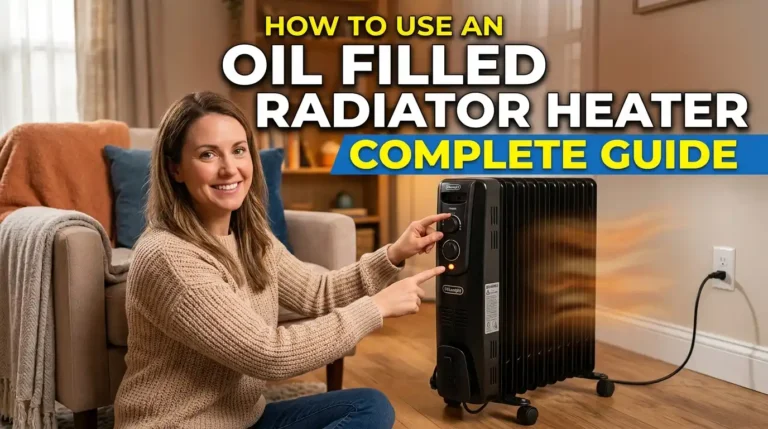
Are Oil Filled Heaters More Efficient Than Electric Heaters? The Honest Answer, With Real Running Costs
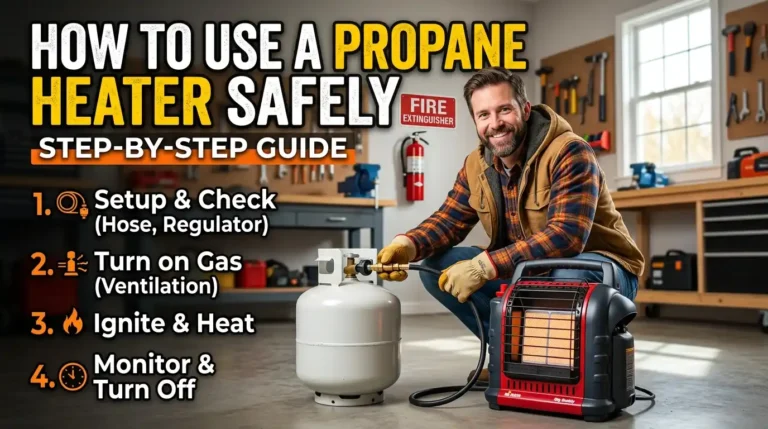
How Do Indoor Propane Heaters Work?
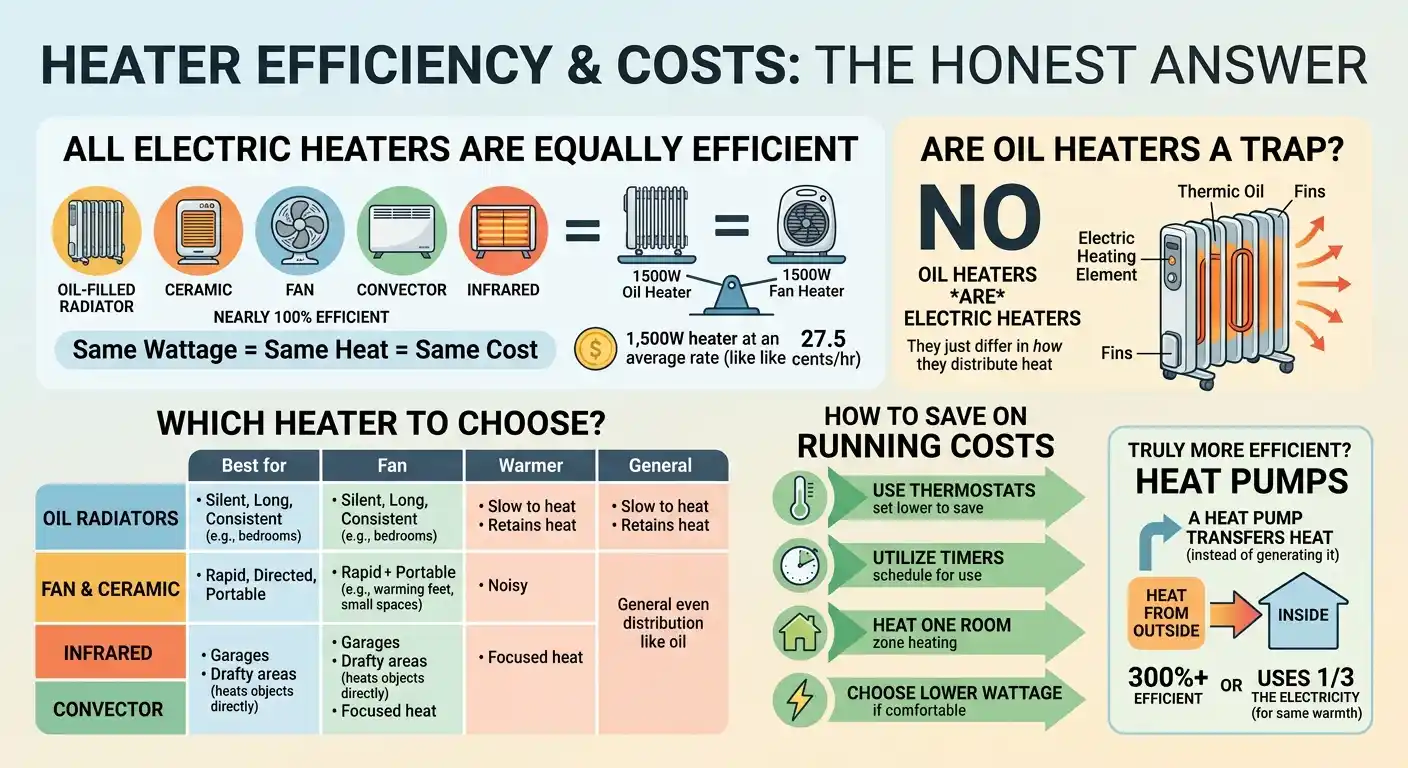
Quick answer: No. Oil filled heaters are not more efficient than other electric heaters, since an oil filled heater is an electric heater. All plug-in electric heaters can convert nearly 100 percent of the electricity it consumes into heat. An oil radiator with 1,500W of heat and a fan heater with 1,500W of heat have the same amount of heat and are equally expensive per hour. The only way that oil heaters can still be cost-effective is in the manner in which they provide the heat: it is warmer and more consistent, thermostats are not turned on and off as much, and it feels warmer at a lower temperature.
If you have read that oil filled radiators are “the most energy efficient option,” you have been reading marketing copy. When you understand why it is wrong, you will make a better purchase than the one who thinks the box.
Key Takeaways
- All resistive electric heaters are about 100% efficient. No difference: oil, ceramic, fan, convector, infrared.
- Equal wattage equals equal cost. At the mid-2026 U.S. average of 18.34 cents per kWh, a 1,500W heater costs about 27.5 cents an hour.
- Behavioral savings: heat one room, with a thermostat and a timer, and run as low a wattage as you feel comfortable.
- Oil radiators triumph in silent, lengthy-session warmth. Fan and ceramic heaters are victors in speed and portability. IR prevails in garages and drafty areas.
A heat pump, which does not generate heat, but transfers it, is the only truly more efficient electric heating.
The short answer: why the question is a trap
The question considers oil filled and electric as two types. They are one. An oil radiator contains an electric element in it that heats the oil, which heats the fins, which heats your room. It is a resistor to your meter, just like a coil of fan heater.
The truthful form of the question is therefore: what kind of electric heater will provide me with the warmest and the least amount of money? There is a real answer to that.
Why every electric heater is 100% efficient
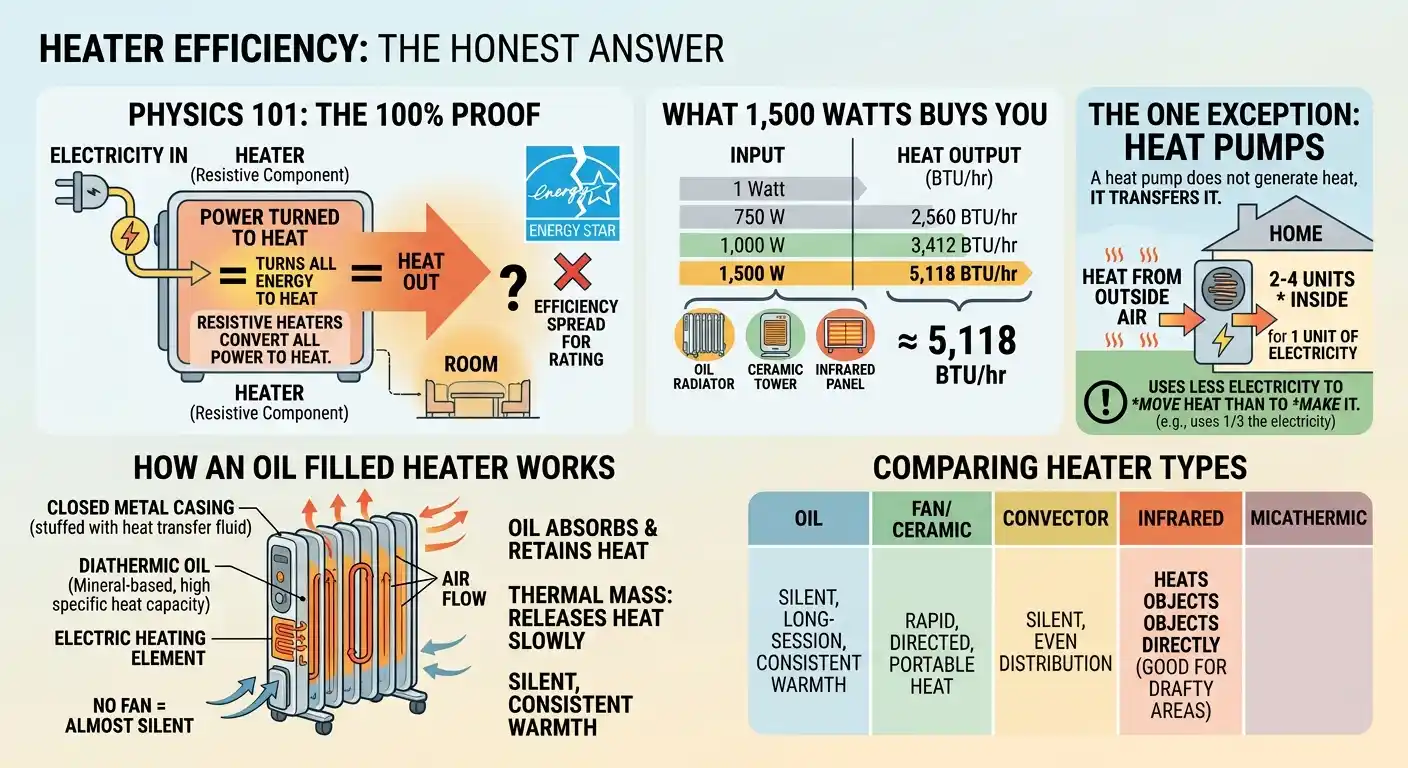
Energy cannot be destroyed, only changed. Power via a resistive component turns into heat. No flue, no combustion, no outlet of energy. A fan heater consumes a small amount of energy in rotating blades, but that friction and air movement results in heat in the room as well.
This is why you will never see an ENERGY STAR rating on a portable electric space heater. There is no efficiency spread to certify. We examine the evidence behind the efficiency claims in more depth, including what real-world testing shows.
What 1,500 watts buys you
| Input | Heat output |
|---|---|
| 1 watt | about 3.41 BTU/hr |
| 750 W | about 2,560 BTU/hr |
| 1,000 W | about 3,412 BTU/hr |
| 1,500 W | about 5,118 BTU/hr |
An oil radiator of 1,500W, ceramic tower and infrared panel all generate approximately 5,118 BTU/hr. The heat comes in at varying rates and in various forms. The amount is the same.
Red flag: Product pages that state that a figure such as 95.86 heating efficiency is invented. That number does not appear in any standards body that deal with resistive heaters.
The one exception: heat pumps
A heat pump does not generate heat, it transfers heat to your room, which is available in the outside air. Moving is less expensive than making, and thus it can provide two to four units of heat per unit of electricity. It is the technology that alters the math here. All space heater comparisons are comparisons of equals.
How an oil filled heater works
A closed metal casing that is stuffed with a heat transfer fluid, which contains an electric element. The heating of the oil occurs by the element, the oil circulates in the fins through the convection process, the fins heat the air, and the warm air ascends at the top and the cool air is brought in at the bottom. The majority of models do not have a fan and that is why they are almost silent.
Diathermic oil is a mineral-based oil that has high specific heat capacity i.e. it absorbs a lot of heat before its own temperature increases. That provides the heater thermal mass: it accumulates heat during operation and then dissipates it gradually later. This property alone spurred all the efficiency claims concerning oil heaters. The oil is not burnt. It is a heat battery, not a fuel battery.
Refilling: never. The unit is closed in the factory. Leak is not a top-up, it is replacement. Good units have a life of 10-20 years. If you want the full heating cycle broken down stage by stage, from element to fin to room air, we cover what happens inside the unit in detail here.
The main heater types
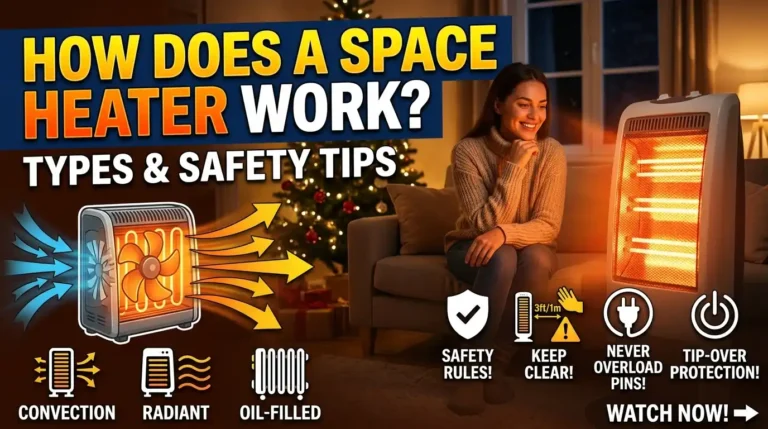
All five below are resistive and all five tie on efficiency, but they move heat around in different ways. If the underlying physics of portable units is new to you, start with the basics of how these appliances generate warmth and then come back.
Oil filled radiators. Slow to heat, slow to cool, silent, even. Practical results within 10-20 minutes. Heavy, usually wheeled. Best in the bedroom, office and any room you spend hours in.
Fan and ceramic heaters. Close warmth, light, inexpensive. The fan can be heard and dust is swept away and heat disappears within minutes of turning off. Best in bathrooms and fast warming up.
Convector and panel heaters. No thermal mass, no fan. The element is faster than oil and quieter than a fan, but heat ceases when the element is switched off. Slim models suit hallways and small rooms.
Infrared and radiant heaters. Heat objects and people directly, such as sunlight. They are perfect in garages, workshops and high ceilinged or partially open areas where it is a losing struggle to heat the air.
Micathermic heaters. A combination of convected and radiant heat. Slim and light, faster than oil, quieter than a fan. Less frequented and usually more expensive.
Real running costs
Cost per hour = (Watts ÷ 1000) × your electricity rate per kWhThe average of the U.S. residential is approximately 18.34 cents per kilowatt hour as of mid-2026 with a range of approximately 13 cents in the lowest cost states to more than 40 cents in Hawaii.
| Setting | At 13¢/kWh | At 18.34¢/kWh | At 30¢/kWh |
|---|---|---|---|
| 600 W (eco) | $0.078/hr | $0.110/hr | $0.180/hr |
| 900 W | $0.117/hr | $0.165/hr | $0.270/hr |
| 1,200 W | $0.156/hr | $0.220/hr | $0.360/hr |
| 1,500 W (max) | $0.195/hr | $0.275/hr | $0.450/hr |
The table is applicable to all types of electric heaters. If it draws 1,500W, it costs what the 1,500W row says.
On average and continuously throughout the month in the U.S.:
| Usage | kWh | Cost |
|---|---|---|
| 1,500W, 4 hrs/day | 180 | about $33 |
| 1,500W, 8 hrs/day | 360 | about $66 |
| 1,500W, 24 hrs/day | 1,080 | about $198 |
| 900W eco, 8 hrs/day | 216 | about $40 |
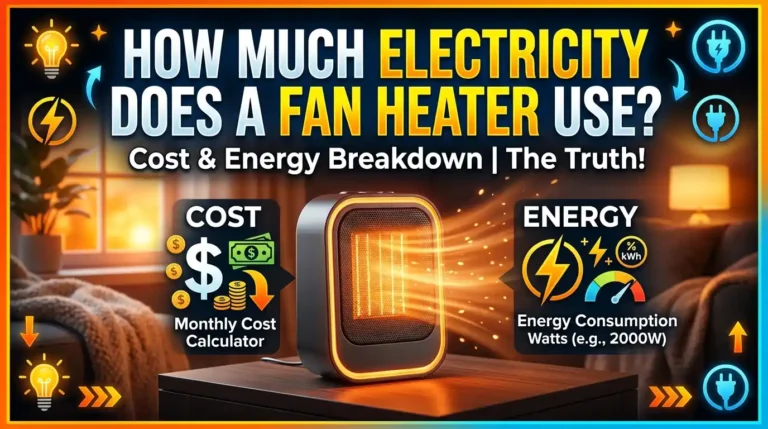
Want the numbers worked through in more depth, including seasonal totals and eco-mode comparisons? See our full cost breakdown for oil radiators, and for a like-for-like check on the alternative, what a fan model adds to your bill per hour, day and month.
So why do people swear oil heaters are cheaper?
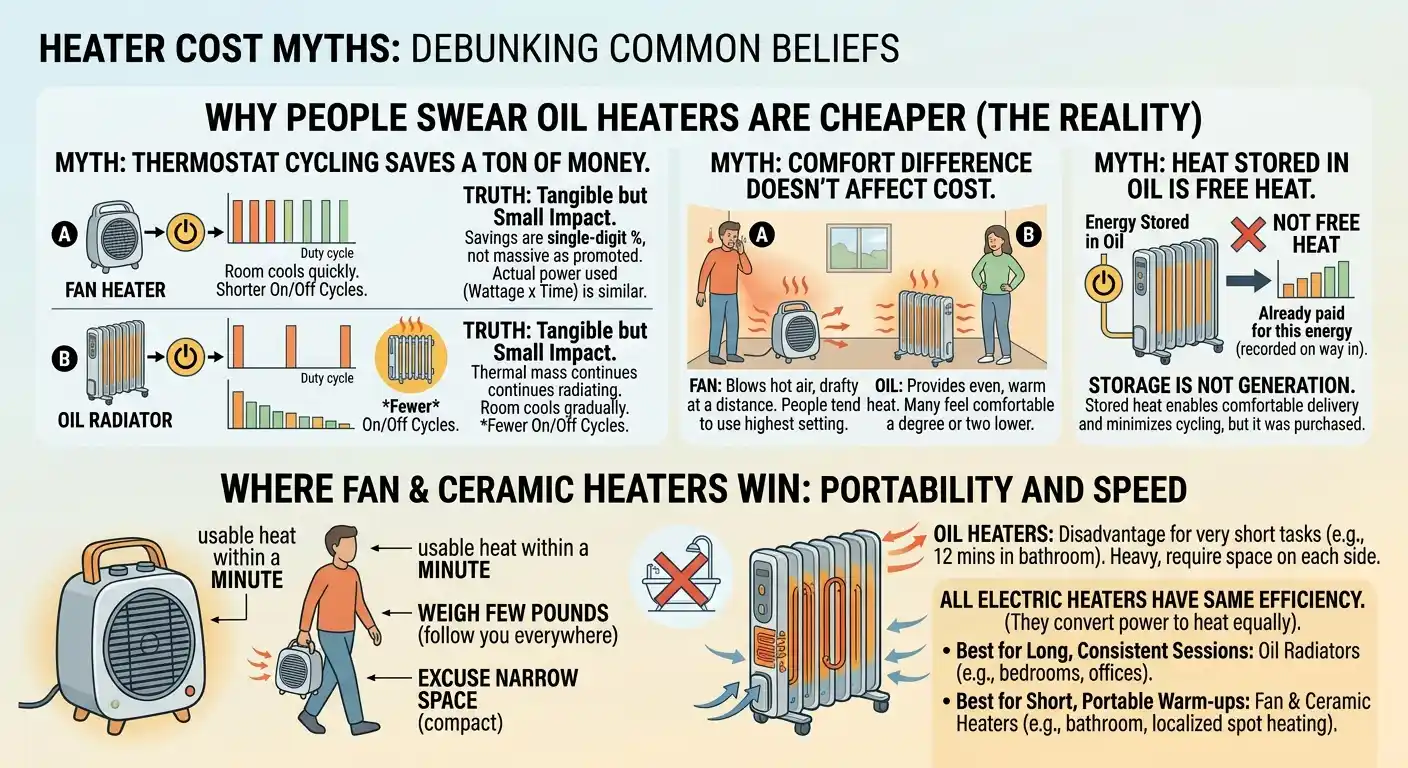
Thermostat cycling. There is a thermostat-controlled heater that switches on, off, waits, switches on. Its duty cycle is the proportion of time it spends with power, and duty cycle times wattage is your bill. The thermal mass of an oil radiator continues to radiate heat when the element is turned off; hence, the room cools gradually, and the heater is activated less frequently. A fan heater shuts off, the room cools quickly and it cycles earlier. The impact is tangible but small, in single-digit percentage changes, as opposed to the savings that are being promoted.
Comfort. This matters more. It has a fan heater that blows hot air that is stuffy when close and drafty when across the room, hence people put it at its highest level. Oil radiator provides even, warm heat and numerous individuals are seated comfortably a degree or two below. Setting your setpoint lower reduces the amount of heat required by the room, reducing duty cycle, reducing your bill.
The heat claim, which is stored, is corrected. You will read that oil heaters provide free heat when turned off. You have already paid that heat. The energy that was stored in oil that your meter had recorded on the way in. Storage is not generation. What it actually does is comfortable delivery, which enhances comfort and minimizes cycling.
Where fan and ceramic heaters win
Thermal mass is a disadvantage at times. When you spend 12 minutes in the bathroom, an oil radiator has hardly been brought to the boil before you get out, and all the stuff in the oil is thrown away into a vacant room. The heaters are made of ceramic and they provide usable heat within a minute, weigh a few pounds hence follow you everywhere and excuse narrow space. Oil radiators require space on each side in order to be able to radiate. The efficiency is the same. It is not suitable.
Side by side
| Factor | Oil filled | Fan / ceramic | Infrared | Convector |
|---|---|---|---|---|
| Efficiency | ~100% | ~100% | ~100% | ~100% |
| Cost at same wattage | Identical | Identical | Identical | Identical |
| Time to useful heat | 10 to 20 min | Under 1 min | Instant | 3 to 8 min |
| Heat after shut-off | 20 to 40 min | Almost none | None | Minimal |
| Noise | Silent | Audible fan | Silent | Silent |
| Distribution | Very even | Uneven | Directional | Even |
| Portability | Heavy, wheeled | Light | Varies | Light |
| Best for | Bedroom, office | Bathroom, quick use | Garage, workshop | Hallway, small rooms |
| Overnight | Good | Poor | Poor | Fair |
| Typical price | $60 to $150 | $25 to $80 | $50 to $200 | $50 to $150 |
| Lifespan | 10 to 20 yrs | 3 to 8 yrs | 5 to 15 yrs | 8 to 15 yrs |
Oil advantages: no noise, even heat, retains heat, colder surfaces, durable.
Oil filled cons: slow, heavy, not to be used in short, has to be cleared, more expensive in the first place.
Fan/ceramic advantages: quick heating, portable, inexpensive, low footprint.
Fan/ceramic cons: noisy, heat disappears instantly, uneven, blows dust, shorter life.
Which heater for your room?
Decision tree. Occupied under 30 minutes? Fan or ceramic. It is longer than that, is it a garage, workshop or high-ceilinged space? Infrared. Otherwise wilt thou sleep, work or read there? Oil filled. In case you only require the space to be warmed quickly, convector or ceramic. One heater will not suffice to heat a room over 200 sq ft or one that is poorly insulated, so repair insulation or consider a heat pump.
| Room | Pick | Why |
|---|---|---|
| Bedroom | Oil filled with thermostat and timer | Silent, no drafts, stable overnight |
| Home office | Oil filled or micathermic | Steady warmth, no fan noise on calls |
| Bathroom | Ceramic fan heater on a GFCI outlet | Short use, needs instant heat |
| Living room | Oil for long evenings, convector for brief use | Match the occupancy pattern |
| Garage or workshop | Infrared radiant | Warms you, not 2,000 cubic feet of air |
| Nursery | Oil filled with tip-over and overheat protection | Cool surfaces, no noise, no blown dust |
| Basement | Oil or convector, plus a dehumidifier | Steady background heat |
| RV or cabin | Low-wattage ceramic on 750W | Circuit limits matter most |
How to size a heater
Undersizing is costly: the heater works to the limit continuously and will never cool the thermostat. A well-insulated room with 8-foot ceilings would have a rule of thumb of 10 watts per square foot.
| Room size | Well insulated | Drafty |
|---|---|---|
| 75 sq ft | 750 W | 900 to 1,100 W |
| 100 sq ft | 1,000 W | 1,200 to 1,500 W |
| 150 sq ft | 1,500 W | Beyond one heater |
| 200 sq ft | 2,000 W | Needs another heat source |
| 300 sq ft+ | Not a space heater job | Central heat or heat pump |
Add more to ceilings above 9 feet, large single-pane windows, corner rooms, floors above crawl spaces that are not heated, and nights below 0 degrees.
Circuit limit: a typical 120 V/15A household circuit has a safe continuous current capacity of approximately 1,440W, so almost all portable heaters have a maximum power of 1,500W. You cannot simply purchase one bigger. When 1,500W is not sufficient, the room should be insulated, rather than adding a second heater on the same circuit.
9 ways to actually cut your bill
- Heat the room, not the house. The biggest lever by far.
- Do not use the power switch, use the thermostat. One without the other operates a heater at full draw continuously.
- Operate with the minimum amount of power that makes you comfortable. 900W costs 40% less per running hour than 1,500W.
- Set a timer. Pre-warm the bedroom prior to bed and leave thermal mass to take you through.
- Seal drafts first. Any upgrade to a heater is beaten by a $12 door sweep.
- Shut up curtains at nightfall. Most rooms have the largest heat loss surface in the form of windows.
- Shut the door. Within minutes, the heat that is conducted is lost to the rest of the house.
- Inquire about off-peak rates. Oil radiators have a true financial advantage in pre-heating on low-cost hours and coasting on thermal mass.
- Dress up. Two degrees down is free and beats all the products here.
Safety: what the fire data says
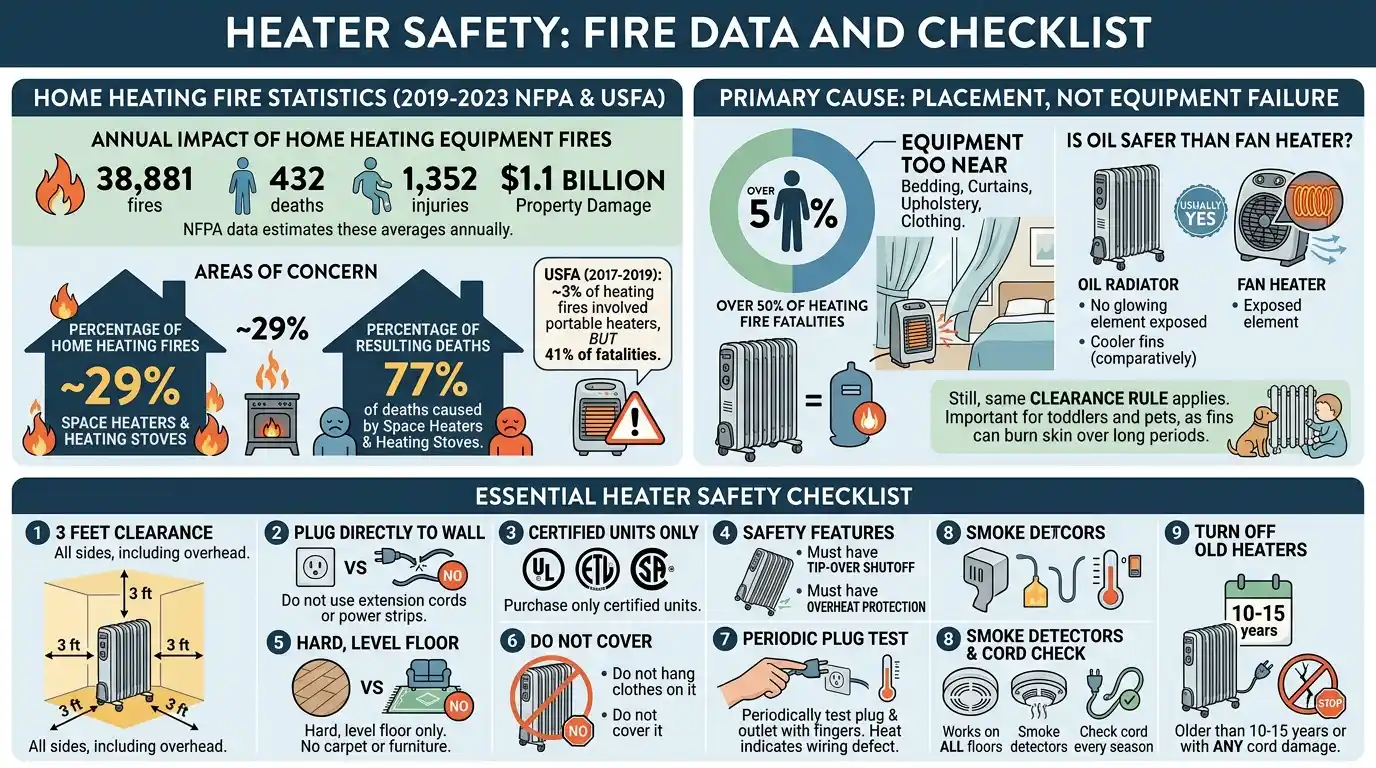
According to NFPA data 2019-2023, it is estimated that 38,881 home heating equipment fires occur annually, resulting in 432 deaths, 1,352 injuries and 1.1 billion in property damage. Approximately 29% of those fires were space heaters and heating stoves, but approximately 77% of those deaths. The U.S. Fire Administration also notes that only circa 3% of home heating fires in 2017 to 2019 involved portable heaters, but 41% of those resulting in fatalities.
Placement is the primary cause and not equipment failure. Over 50 percent of heating fire fatalities were due to equipment that was too near bedding, curtains, upholstery or clothing.
Is oil safer than fan heater? Usually yes, as the glowing element is not exposed and the fins are cooler. Nevertheless, they also burn the skin when in contact over a long period, which is important with toddlers and pets, and the same clearance rule is applicable.
Checklist
- Three feet of clearance on each side, including overhead.
- Do not use an extension cord or power strip, plug directly into a wall outlet.
- Purchase only UL, ETL or CSA certified units.
- Must have tip-off shutoff and overheat protection.
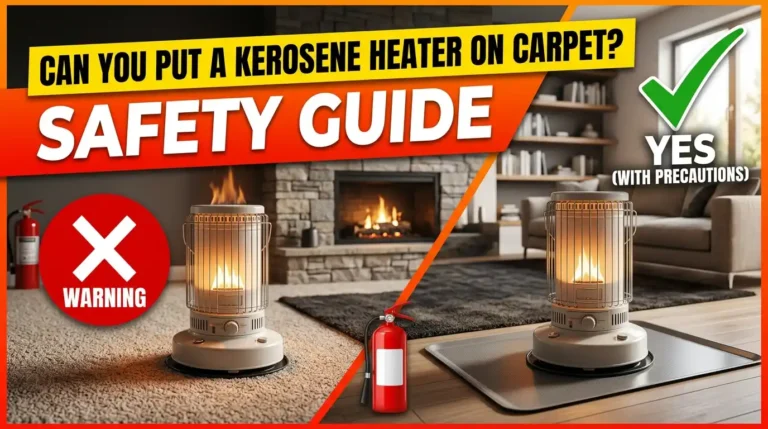
- no carpet or furniture, hard, level floor only.
- Do not hang clothes on it or cover it with anything.
- Periodically test the plug and outlet with your fingers, heat is an indicator of a wiring defect.
- Smoke detectors that work on all floors, and check the cord every season.
- Turn off heaters older than 10-15 years or with any cord damage.
Common mistakes
Using a space heater when central heating is on the same setting, which does not move but adds to its cost. Heater fires are a leading cause of using an extension cord. Purchasing based on efficiency claims rather than wattage, thermostat quality and appropriateness. Installing an oil radiator in a bathroom, the least suitable of the matches.
It cannot be hidden behind furniture so that convection cannot work. Forfeiting the thermostat model to save 15 which can double seasonal operating expenses. Assuming that a single 1,500W heater can heat an entire floor. Ignoring insulation.
When neither is the right answer
Space heaters are not the right tool to use and a heat pump will be much cheaper to operate in case you are heating more than one or two rooms on a regular basis. When the room is cold due to air leaks, you are paying to heat up the outside and weatherstripping is better than any heater. When your central system is unable to serve one room, first check to see if a duct is blocked or the damper is closed because a $0 repair is better than a $120 heater.
When you rent and can do nothing with it, one of the reasonable solutions is a carefully selected space heater that can be used to zone heat with the main thermostat set lower. Simply select it based on suitability, not efficiency assertions.
FAQs
Are oil filled heaters more efficient than electric heaters?
No. Oil filled heaters are electric heaters and all resistive electric heaters are 100 percent efficient at converting electricity into heat. At the same wattage they cost the same. Oil models are capable of slightly decreasing the real consumption by means of less cycling and comfort at reduced setting, rather than better conversion.
Are oil filled heaters power guzzlers?
A 1,500W model consumes 1.5 kWh/h of run time, approximately 27.5 cents at the U.S. average. It uses a thermostat which keeps the room warm most of the time at less than 100 percent.
Which electric heater is the least expensive to operate?
Whichever you can make to run with the least amount of wattage and the least time that you can remain comfortable. Cost is not dependent on type.
What is the time it takes an oil filled radiator to heat a room?
It takes 10 to 20 minutes to reach useful output in the unit. It takes about 30 to 60 minutes to make a 100 to 150 sq ft room comfortable.
Is it possible to leave an oil filled heater on at night?
Most do, and oil radiators are one of the superior ones. Only certified unit with thermostat, tip-off and overheat protection, on hard floor, three feet clearance, plugged directly into the wall. See your manual, as not all makers recommend unattended operation. A device that pre-heats the room is usually smarter.
Are they in need of filling or maintenance?
No refilling. Clean the dust off the fins once a season and inspect the cord.
Are they safe with babies and pets?
Less hazardous than exposed-element heaters, but the fins burn on prolonged contact. Take a guard and a tip-over guarded model.
Infrared heater or oil radiator?
Different jobs. An enclosed room is evenly heated by oil. IR heats individuals and objects directly, which is appropriate in garages, workshops and open spaces.
Is 1,500W better than 750W?
Only if the room needs it. A small room of 750W can be kept cool in half the hourly price. Start low.
Are oil heaters dehumidifying?
They do not extract any moisture, but the act of heating any room reduces relative humidity. They are not as drying since they do not blow air at you.
Why does my oil heater turn on and off?
The thermostat at work. The more it is clicked the more the heat is escaping than the heater is replacing it.
Is it possible to use an extension cord?
No. The majority of them are not rated to run a constant 12.5 amp and may overheat.
Will a space heater reduce my heating bill?
It is only when you turn down the central heating simultaneously and remain in the heated room.
What is the area of 1,500W?
Well insulated with 8-foot ceilings (approximately 150 sq ft). That much is cut by drafts, big windows or high ceilings.
Which is the most efficient electric heating that you can purchase?
A heat pump, two to four units of heat per unit of electricity. There is no competing resistive heater.
Final thoughts
The efficiency solution is not very promising and that is why it is worth knowing. The best thing to plug in your wall and make heat by resistance is no better than anything else, and the industry has based a lot of marketing on a distinction that is not there.
What actually exists is the actual difference in the way the heat is passed onto you. Oil radiators provide slow, quiet, even heat to rooms that you spend hours in. Fan and ceramic heaters give instant targeted heat for short visits. People are warmed with infrared and not air. Adjust the heater to the way you actually use the room and you will be comfortable at a lower setting, the only way any type of heater can save money.
Then do the things that move the needle: heat one room, operate a thermostat and timer, run the lowest comfortable wattage, and seal drafts, and then spend another dollar on equipment.