Are Oil-Filled Heaters Energy Efficient? What the Science, the Costs, and Real-World Use Actually Show
When you were shopping to buy a space heater, you have likely encountered oiled-filled heaters that are sold as being energy efficient. That is a fact, yet it is somewhat deceptive, and the reasons why are never described in the majority of the articles.
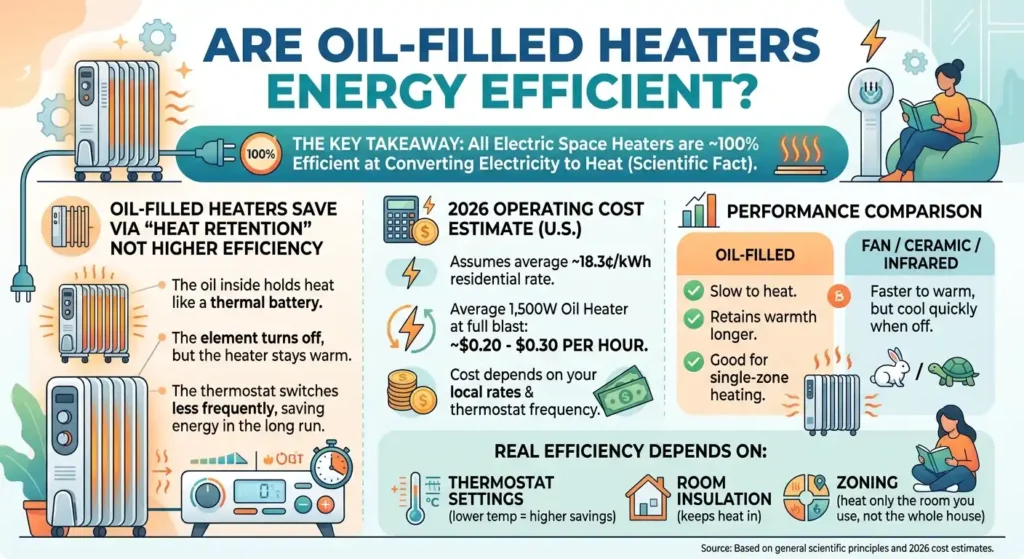
The brief explanation is this: an oil-filled heater is as efficient as any other electric resistance heater of converting electrical energy into heat, which is approximately 100 percent. The fact that oil-filled heaters are cheaper to operate in most cases does not have to do with high efficiency. It’s heat retention. The oil within remains warm even after the heating element has been turned off, thus the thermostat switches less frequently and consumes less energy in the long run.
In this guide, we have dissected precisely how that works, the cost of operating one in 2026, the performance against ceramic, fan, and infrared heaters, and how to configure yours to actually save money.
Key Takeaways
- Nearly 100% of electricity is converted to heat by all electric resistance heaters, including oil-filled heaters. No one is technically more efficient than the other one at that conversion.
- Oil-filled heaters may reduce your real-life energy consumption since oil holds heat and makes the thermostat less frequently need to turn the element back on.
- An average 1,500-watt oil-filled heater would cost about 0.20 to 0.30 per hour to operate at full blast, at the 2026 average residential electricity rate of approximately 18.3 cents per kilowatt-hour in the United States. The price you pay is determined by what you pay locally and the frequency of the thermostat.
- They are slower to warm than fan or ceramic heaters but maintain warmth longer when the room is warm.
- The heater is not the largest lever of efficiency. It depends on your thermostat and room insulation, and whether you are heating an entire house or a single zone.
What “Energy Efficient” Actually Means for a Space Heater
To compare heaters, it is best to first define the term, as it is used in two ways.
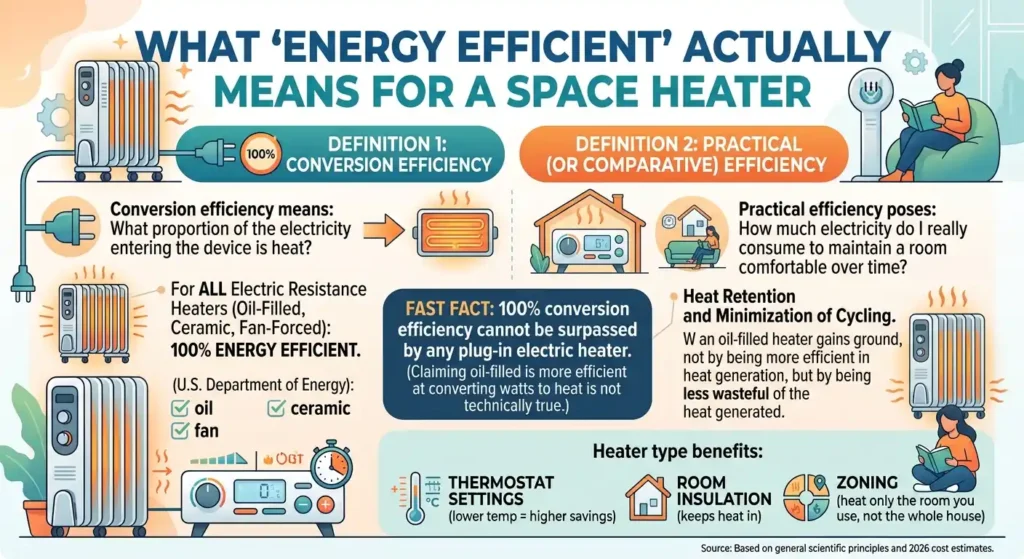
The question of conversion efficiency is: what proportion of the electricity entering the device is heat? The answer to any electric resistance heater, such as oil-filled radiators, ceramic heaters, and fan heaters, is essentially the same: according to the U.S. Department of Energy, all incoming electric energy is used to create heat with 100% energy efficiency. It does not matter whether the element is in oil, ceramic or bare wire.
Practical (or comparative) efficiency poses a more practical question: how much electricity do I really consume to maintain a room comfortable over time? Here is where oil-filled heaters can gain ground, not by being more efficient in heat generation, but by being less wasteful of the heat generated.
Fast fact: 100% conversion efficiency cannot be surpassed by any plug-in electric heater. When a listing says that an oil-filled heater is more efficient than a ceramic or fan heater when it comes to converting watts to heat, it is not technically true. What it can probably be more competent in is the retention of heat and minimization of cycling.
How Oil-Filled Heaters Work
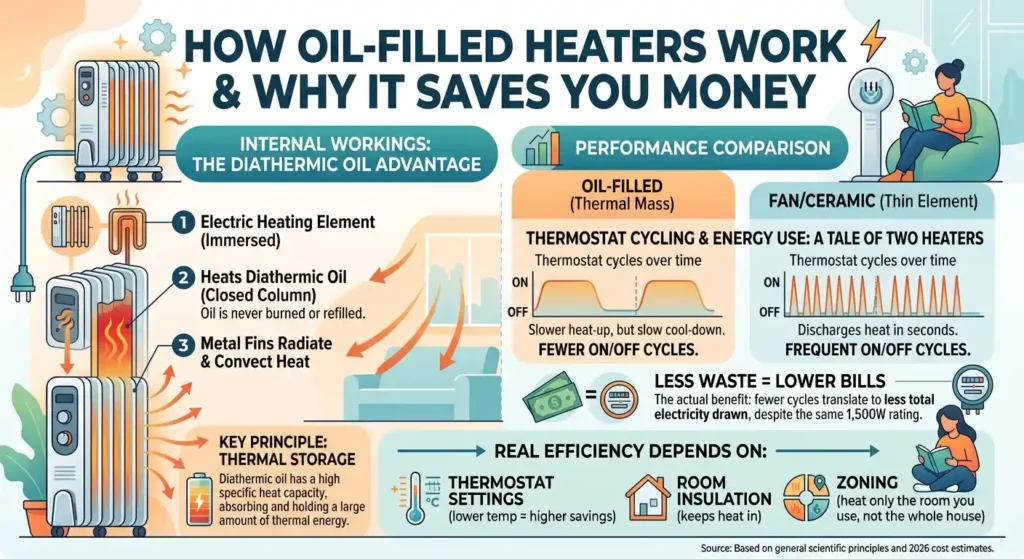
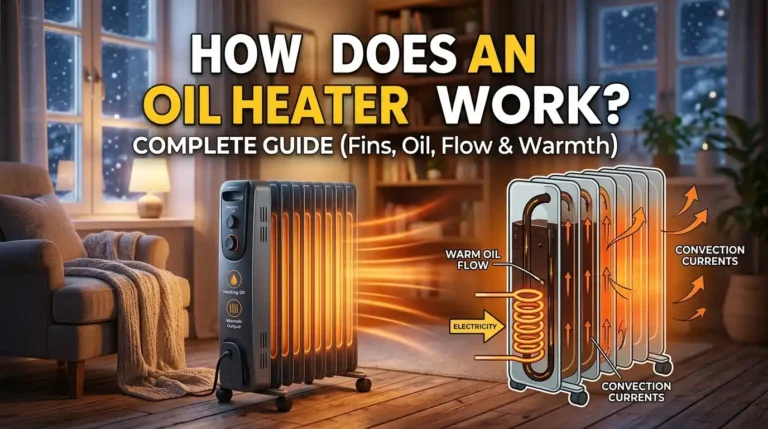
An oil-filled heater is a closed column filled with diathermic oil (not the fuel oil of furnaces) and an electric heating element immersed within it. When you turn it on the element heats the oil, which in turn radiates and convects that heat out through the metal fins into the room.
The oil itself is not burned, consumed or refilled. It is enclosed within the unit throughout the life of the heater and this is one reason why the units can be said to be low-maintenance.
The oil’s job is thermal storage, not heat generation. diathermic oil has a high specific heat capacity, meaning it can absorb and hold a large amount of thermal energy relative to its volume. That’s the property that separates oil-filled heaters from most other electric heater types. For a closer look at what’s happening inside the unit, see this breakdown of the internal heating process.
Why That Matters for Your Energy Bill
Suppose we have two heaters, both with the same thermostat set point, both with 1,500 watts on high:
- A fan or ceramic heater heats a thin element or coil nearly immediately. As soon as the thermostat is satisfied, that heat dissipates within seconds. The room cools more frequently and the element switches on more frequently.
- Oiling a heater is slower to heat up since it is heating a bulk of liquid, not just a thin wire. However, when that oil is hot, it continues to radiate warmth long after the element is turned off. The thermostat does not have to switch the element on almost as frequently.
The fewer on/off cycles typically translates to a lower amount of total electricity drawn during an evening, despite the same wattage rating. According to several heating professionals and industry sources, this is the actual benefit of the heater, not that it can heat more efficiently, but that it wastes less of the heat that it does.
Are Oil-Filled Heaters More Efficient Than Other Heater Types?
This is a simple comparison of the actual performance of each type of heater, rather than its rating in watts.
| Heater Type | Conversion Efficiency | Heat-Up Speed | Heat Retention | Best For |
| Oil-Filled Radiator | ~100% | Slow (30–60 min) | Excellent | Bedrooms, offices, long overnight use |
| Ceramic Heater | ~100% | Fast (1–3 min) | Poor | Quick spot heating, small rooms |
| Fan Heater | ~100% | Very fast | Very poor | Short bursts, drafty spaces |
| Infrared/Radiant Heater | ~100% (of watts used) | Instant | N/A (heats objects/people, not air) | Targeted personal warmth, patios, garages |
| Panel/Convector Heater | ~100% | Moderate | Low to moderate | Wall-mounted zone heating |
Interpretation of this table: Each row will indicate the same conversion efficiency since that is an immutable law of physics of resistance heating. The actual differences that make a difference to your bill are in the other columns: how quickly the heater will meet the thermostat, and how long it will remain warm without drawing in more power.
Oil-Filled vs. Ceramic Heaters
Ceramic heaters are faster. They are perfect when you are in a cold bathroom and need it to be warm within a minute. However, since ceramic elements cool nearly instantly, the heater switches on and off more often to keep a constant temperature which may accumulate to total run-time over a few hours.
Oil heaters are better when used in the long run. When you are heating a bedroom at night or an office all day, the less cycling is likely to be reflected in lower overall energy consumption to achieve the same level of comfort.
Oil-Filled vs. Infrared Heaters
IR heaters heat people and objects directly instead of heating the air, so they can be experienced as effective nearly immediately and are efficient in targeted, short-term heating, such as keeping one person warm at a desk. oil-filled heaters can be more efficient in long-term, consistent heating of a room.
When you walk out of a room and leave the heat behind, a more energy-efficient heater can be an infrared heater. When you require the entire room to be warm over a period of time, the heat that is retained by an oil-filled heater would be of more use to you.
Oil-Filled vs. Fan Heaters
Fan heaters are quickest to warm a small area and are the least expensive to purchase, yet provide no heat retention whatever. As soon as they are turned off, the warmth disappears. Now and then, a little spurt of heat is all right. In cases where the heater is used over hours, the capacity of the oil-filled heater to ride on stored heat will tend to make it the more cost-effective option in the long run.
How Much Does It Cost to Run an Oil-Filled Heater?
This is the figure that most people desire. The formula is given here, and then some real examples.
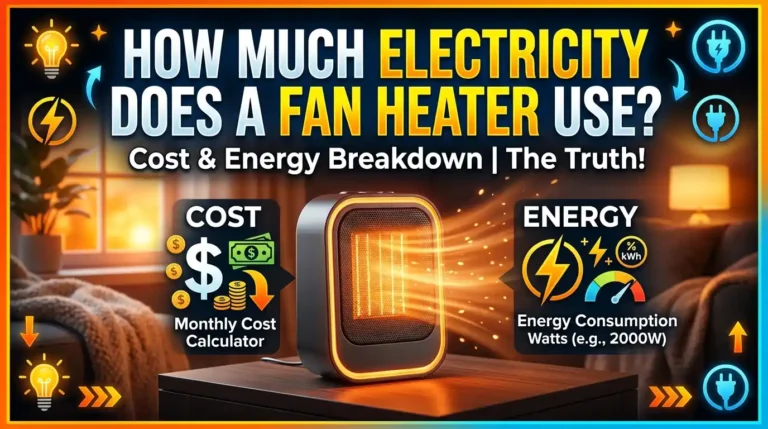
Formula: Wattage ÷ 1,000 × hours used × your electricity rate (per kWh) = cost
In September 2026, the average residential electricity rate in the U.S. is approximately 18.34 cents per kilowatt-hour, but this differs widely by state and utility.
Cost Breakdown Table (based on $0.183/kWh national average)
| Wattage Setting | Cost per Hour | Cost for 8 Hours | Cost for 30 Nights (8 hrs/night) |
| 600W | $0.11 | $0.88 | $26.40 |
| 900W | $0.16 | $1.32 | $39.60 |
| 1,500W (high) | $0.27 | $2.20 | $65.85 |
Notable caveat: these numbers assume that the heater operates at full power throughout the time span, which is virtually impossible in practice. When a thermostat-controlled oil-filled heater reaches its set temperature, it switches off and consumes much less energy as it rides on the residual heat of the oil. In the real world, costs are generally less than this worst-case table, usually by 30 or 50 percent, depending on room insulation, outdoor temperature and thermostat settings.
Quick fact: When your electricity rate is above the national average (some parts of New England and California can charge 25-50 cents per kWh) or below (some parts of the South Central and Mountain states can charge around 13 cents per kWh), change these numbers in the same proportion by the formula above.
What Is the Most Efficient Setting on an Oil-Filled Radiator?
It is one of the most popular questions that people are searching, and the answer to this question amazes many people: the wattage setting does not affect efficiency, only speed.
A 1,500 watt setting and a 600 watt setting convert virtually all their electricity to heat. The elevated setting simply provides that heat at a quicker rate. As soon as the room reaches your desired temperature and the thermostat turns the element off, wattage does not matter until the thermostat turns it on again.
What really influences your energy consumption:
- Thermostat target temperature. Cooling the room down a couple of degrees, typically 68F to 72F to make it comfortable and efficient, saves significant run-time.
- Thermostat cycling behavior. A properly adjusted thermostat that allows the room to cool down a bit before switching the element back on (instead of fussing with the thermostat all the time) will use less energy than a thermostat that switches on and off.
- Eco mode, where possible. Most more recent models have an eco mode that automatically switches between wattage levels to keep the temperature at a lower overall power consumption.
- Room size and insulation. A cold room makes the cycling more irrespective of the wattage of the heater.
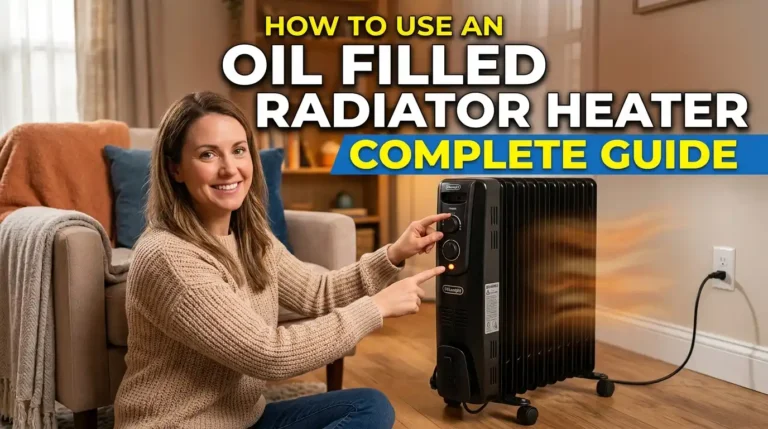
The practical takeaway: pick the wattage that heats your room to a comfortable temperature in a reasonable amount of time, then let the thermostat do the rest. Cranking the dial to maximum doesn’t heat the room more efficiently, it just gets there faster and can occasionally overshoot the target before the thermostat catches up. If you want a walkthrough of dial settings, eco modes, and other controls specific to these units, check out this settings and safety guide.
7 Ways to Make Your Oil-Filled Heater More Energy Efficient
- Zone heating rather than heating the entire house. It is often cheaper to run one oil-filled heater in the room you are actually in, and turn off central heat, than to heat rooms which are not in use.
- Turn on the thermostat, not the wattage. Allow the in-built thermostat to turn the heater on and off automatically instead of turning it off and on.
- Caulk at the windows and doors. The loss of heat to gaps makes more cycling regardless of the efficiency of the heater.
- Vacuole the heater. Furniture or curtains that prevent airflow prevent circulation of heat around the unit, which may cause the thermostat to continue running the element longer than necessary.
- Have a timer or smart plug. Set the heater to be on only when you are in the room.
- Wear in layers and use blankets as an additional warmth. Each degree you do not require the thermostat to attain, saves quantifiable electricity in a season.
- Periodically dust the fins. The accumulation of dust serves as insulation of the heater itself, and it keeps the heat trapped in the unit instead of it being radiated into the room.
Pros and Cons of Oil-Filled Heaters
| Pros | Cons |
| Retains heat well, reducing cycling and often lowering real-world energy use | Slower to warm a room than fan or ceramic heaters |
| Quiet operation, no fan noise | Heavier and less portable than compact heaters |
| Cool-to-the-touch exterior on most models, safer around kids and pets | Higher upfront cost than basic fan heaters |
| No fuel to refill, sealed unit requires little maintenance | Not ideal for instantly warming a cold room before you walk in |
| Long operational lifespan with minimal wear | Can overshoot room temperature slightly due to thermal lag |
Are Oil-Filled Heaters Safe to Leave On for Long Periods?
The oil-filled heaters are typically regarded as one of the safest types of space heaters to use overnight or during prolonged use, in large part due to the fact that the outside of the heaters remains cooler than exposed-element heaters and that there is no open flame or combustion taking place. The majority of contemporary models have tip-off shutoff and overheat protection as standard safety features.
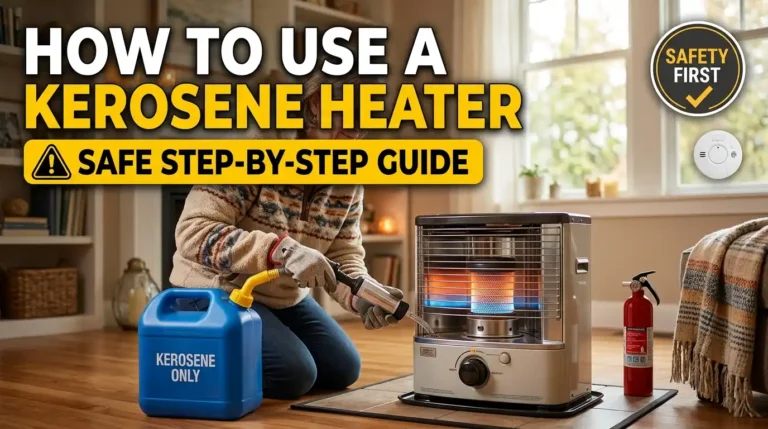
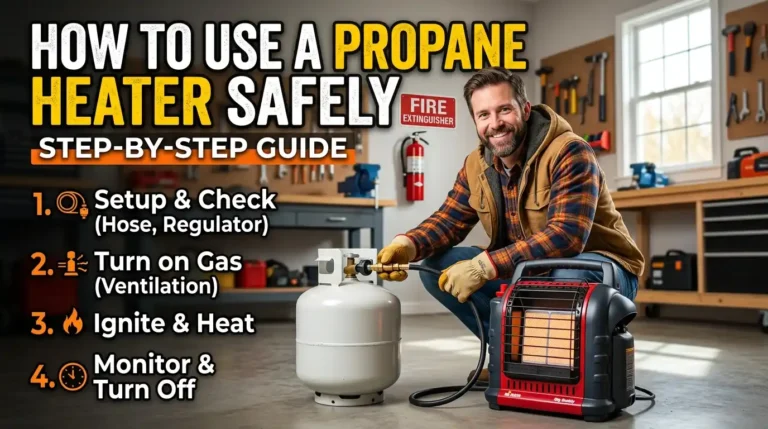
That said, no space heater, oil-filled or otherwise, should be left running unattended for extended periods without basic precautions: keep at least three feet of clearance from furniture, curtains, and bedding, plug directly into a wall outlet rather than an extension cord, and choose a model with tip-over and overheat protection built in. If you’re weighing a fuel-burning alternative instead, the precautions look different; here’s a guide to handling combustion-based units responsibly.
Myth vs. Fact
Myth: Electric heaters that use oil fill are more efficient than other electric heaters in converting electricity to heat.
Fact: 100 percent: Electric resistance heaters all convert electricity to heat at a basically similar rate, nearly 100 percent. Oil-filled heaters conserve energy by conserving heat rather than converting it better.
Myth: Turning an oil-filled heater to the maximum wattage is more efficient in heating the room.
Fact: Increased wattage merely warms the room quicker. After satisfying the thermostat, wattage setting no longer affects it until the element re-switches on.
Myth: The oil-filled heaters require their oil replenished every so often.
Fact: The oil is permanently sealed inside the unit and isn’t designed to be topped up or replaced during normal use.
FAQs
Are oil-filled heaters energy efficient?
Yes, in the sense that they use almost all their electricity to heat, and so do all electric resistance heaters. Their actual benefit compared to other types is the ability to retain heat, which can reduce your actual energy consumption during longer heating periods.
Are oil filled heaters power hungry?
A 1,500-watt unit is estimated to cost between $0.20 and 0.30 per hour to operate at full power, depending on the average electricity rates in the country. The real cost tends to be less as soon as the thermostat begins to turn the heater on and off.
Do oil-filled heaters cost less to operate than electric heaters?
Oil-filled heaters are also a form of electric heater, and this typically implies that they are compared to fan or ceramic heaters. Fan and ceramic heaters may be less expensive in short bursts. Oil-filled heaters may be cheaper in general since they do not cycle as much when used continuously over hours.
Which is the most efficient environment on an oil-filled radiator?
There isn’t one “most efficient” wattage setting, since all settings convert electricity to heat at roughly the same rate. The most economical method is to select a wattage that will warm the room within a decent period and allow the built-in thermostat to control cycling.
What is the time taken by an oil-filled heater to heat a room?
Usually 30-2 hours depending on the size of the room, insulation and the wattage of the heater. This is slower compared to the ceramic or fan heaters, which can increase the room temperature in minutes.
Do oil-filled heaters cost more to run than central heating?
This greatly relies on the size of your home, its insulation, and the type of heating fuel. Since electric heat is usually more costly per unit of energy than natural gas, it is not usually cost-effective to heat an entire home with an oil-filled heater. They are more likely to conserve money when applied to zone heating where the room you are in is warmed and the rest of the house is kept at a lower temperature.
Is it possible to leave an oil-filled heater overnight?
Most individuals do, and models with thermostats are made to be used over a long period of time having additional features such as tip over and overheat protection. Nevertheless, observe general space heater safety measures: sufficient clearance, no extension cords, and a model that has automatic safety shutoffs.
Do oil-filled heaters save more energy than infrared heaters?
It is use case dependent. IR heaters are more efficient when it comes to short, focused warmth that targets an individual. Oil-filled heaters are more likely to be more effective when it comes to long-term, whole-room warmth during a few hours.
Do bigger oil-filled heaters use more electricity?
Higher wattage units will be able to attract more power during high settings, but will also be able to heat a room more quickly and turn on less frequently, which can counteract some of this difference. Select the heater size that fits your room and not necessarily bigger is expensive.
Which is more economical between an oil-filled heater and increasing the thermostat?
To heat one occupied room, a correctly sized oil-filled heater operated with zone heating can sometimes cost less than turning up the whole-house thermostat, particularly in large houses where a large portion of that heat would be wasted on empty rooms.
Do oil-filled radiators run out of oil and require refueling?
No. The oil is closed in the unit in the factory and is not designed to be refilled or replaced during normal use. An efficiently operating unit will not lose oil.
How big a heater with oil do I require in my room?
The standard rule of thumb is about 10 watts per square foot of an average room insulated, but this depends on the ceiling height, quality of insulation, and climate. A 1,500-watt unit would typically fit a small to medium bedroom or office.
Which type of heaters are more suitable in a bedroom overnight: ceramic or oil-filled?
Heaters that use oil are normally preferred to be used in the bedrooms during the night since they are quieter, they keep the heat even when they are off, and their exteriors are usually cooler, which is important when they are left unattended.
Final Thoughts
The real response to the question of whether oil-filled heaters are energy efficient is yes, but not because most marketing would want people to believe. All electric resistance heaters in the market, oil filled or not, convert electricity to heat at virtually the same rate. The difference between oil-filled heaters is what occurs once the element is turned off, the oil continues to give off stored heat, this is why the thermostat does not have to work as hard to keep your room at the desired temperature.
This can save you real money when you are heating up a single room over a long period of time, such as overnight bedroom or all-day home office instead of needing to demand immediate warmth or attempting to heat a whole house. Combine with smart habits (reasonable thermostat setting, sealed drafts, and zone heating, rather than whole-home electric heat) and you will get the best out of what these heaters actually do well.