Where to Buy Firewood: A Complete Buyer’s Guide for First-Time Buyers
Where to buy firewood is one of the first questions new wood burners ask, and the answer matters more than most people expect. Good wood lights well, burns hot, and leaves less mess in your stove or fireplace. Wet or poor-quality wood does the opposite: it smokes, hisses, and coats your chimney with creosote. This guide walks you through the places that sell firewood, the questions worth asking, and the checks to run before you pay and before the load is stacked.
You do not need to become a wood expert before your first order. You need a clear sense of how much wood you want, what seasoned wood looks and feels like, and what a fair, honest seller should be able to tell you. Once you know those three things, the rest of the buying process gets much clearer, and you are far less likely to end up with a pile of wood that will not burn well.
Safety note: Burn seasoned wood only. Never burn treated, painted, or stained wood, plywood, MDF, particleboard, or household trash — these can release harmful fumes and damage your stove or chimney. Have your chimney inspected and swept once a year, keep working carbon monoxide detectors in your home if you burn indoors, and always follow local burn bans, air-quality rules, and firewood transport or quarantine rules for your area. Check your local rules before you move wood across county or state lines.
⏱ Time & Difficulty
Time: 30–60 minutes to compare sellers and place an order; 1–2 hours to check, stack, and cover a delivered load.
Difficulty: Beginner-friendly — no tools required, though a moisture meter helps.
Best for: First-time buyers, occasional fireplace users, and anyone heating with wood for a season.
🧰 What You Need
- A rough idea of how much wood you will burn this season
- A phone or computer to contact and compare sellers
- A tape measure, for checking stack size on delivery
- A moisture meter (helpful, not required)
- Gloves and a dry, raised spot to stack the wood
- A tarp or wood cover for the top of the stack
At a Glance: The Buying Steps
Here is the short version of the whole process. The sections below explain each step in full, so you can read the short list first and then go back for the details that matter to you.
- Figure out how much wood you need for the season.
- Pick a wood type that fits your stove, fireplace, or fire pit.
- Compare local sellers, stores, and delivery options.
- Ask sellers about seasoning, species, size, and delivery terms.
- Check the load when it arrives, before it is stacked.
- Stack and store the wood so it stays dry.
- Keep notes for your next order.
Figure Out How Much Wood You Need
Start with how you plan to use the wood. A few cozy weekend fires need far less wood than nightly heating through winter. Think about how many fires you light in a typical week, how long each fire burns, and how many weeks your burning season lasts. If you are unsure, start with a smaller order and buy more later — running a little short beats paying to store wood you will not use.
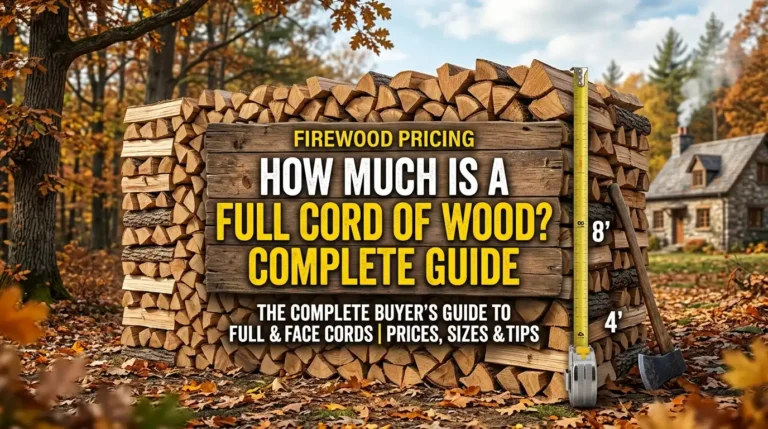
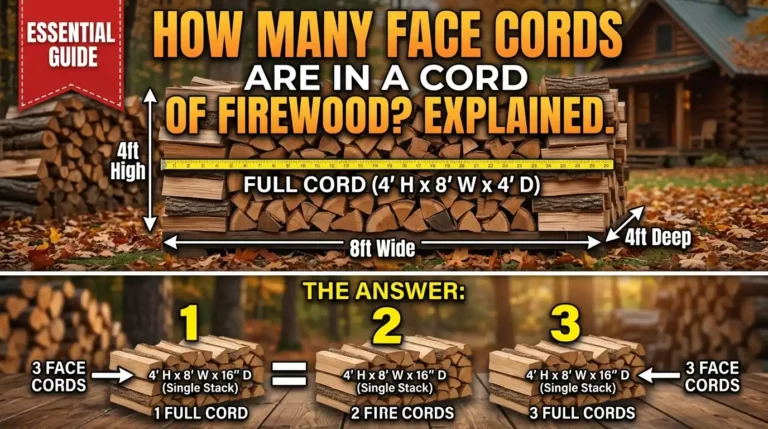
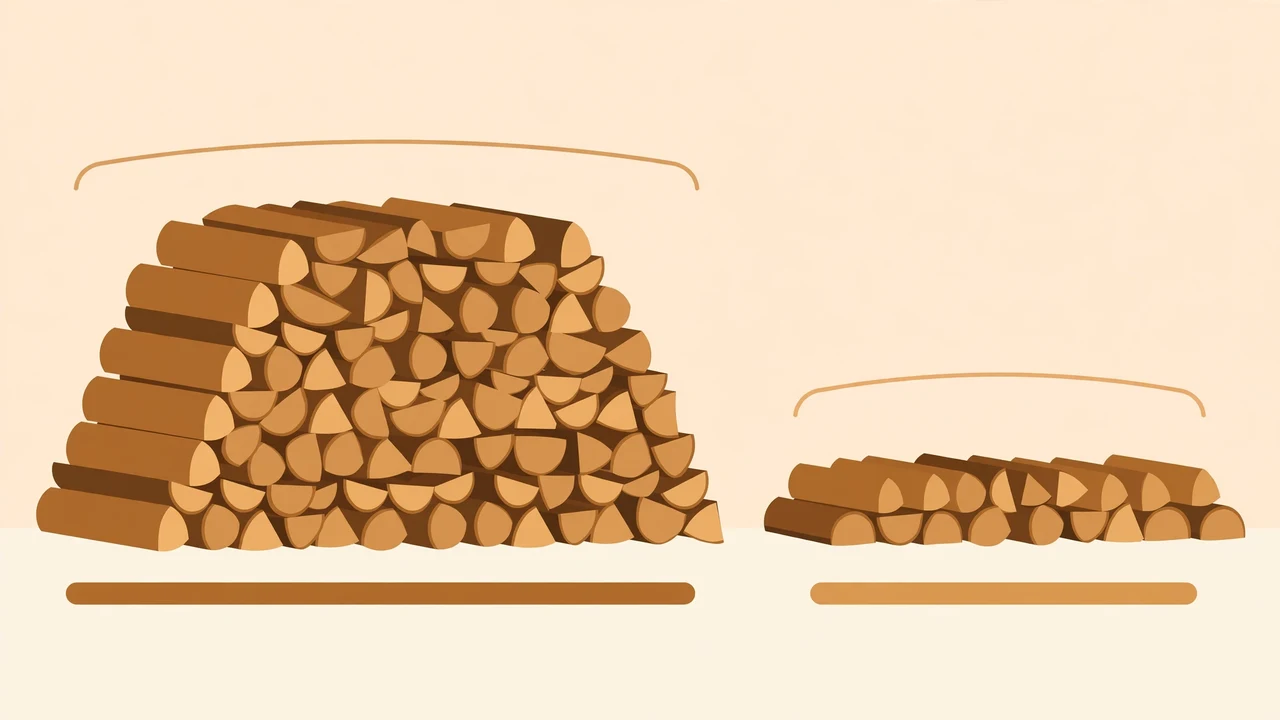
Firewood is often sold by the cord, a stacked measure equal to 128 cubic feet (commonly a stack 4 feet high, 4 feet deep, and 8 feet long). A face cord (sometimes called a rick) is a smaller stack: one row of cut logs, usually 4 feet high and 8 feet long, with the depth set by the length of each piece. Because piece length varies, always ask for the stacked dimensions in feet, not the name of the amount alone.
If you want help sizing a short, high-use stretch of the year, see How Much Firewood Do You Need for Thanksgiving Weekend for a worked example of matching wood to a busy few days.
Pick a Wood Type That Fits Your Fire
Hardwoods such as oak, maple, and ash tend to burn longer and leave good coals, which suits steady heating. Softer woods light fast and burn faster, which can suit a quick evening fire or a fire pit. Neither group is right for every home, so match the wood to your setup: a wood stove used for heat, an open fireplace used for atmosphere, or an outdoor fire pit each place different demands on the wood.
Ask what species a seller actually has in stock, rather than ordering “mixed hardwood” and hoping for the best. Mixed loads can be fine, but you should still know what is in the mix and whether any of it is green (freshly cut) rather than seasoned. Our species guides can help you compare: the poplar firewood guide, the cottonwood firewood guide, and the elm firewood guide each cover how a common wood burns and what to watch for.
Compare Local Sellers and Delivery Options
Most buyers will choose between a few common sources, and each has trade-offs worth weighing before you order.
- Local firewood suppliers and tree services: Often the best value for larger amounts, with delivery by truck. Ask whether the price includes stacking or is drop-off only.
- Home and garden stores: Handy for small bundles and kiln-dried bags, but the cost per piece is usually higher than a bulk load.
- Farm stands and roadside sellers: Common in rural areas and often flexible on amount, but check seasoning claims in person when you can.
- Online marketplaces and local ads: Useful for finding nearby sellers, but read reviews, ask direct questions, and be wary of listings with no photos, no species named, and no delivery terms.
- Cutting your own wood: An option only where you have legal access, the right permits, and safe cutting skills. Never cut on land you do not have permission to use.
Delivery terms matter as much as the wood itself. Ask whether delivery is included, how far the truck can reach your stacking spot, whether the driver stacks the wood or drops it in a pile, and what happens if you are not home. A cheap load that is dumped far from your storage spot can cost you hours of extra hauling.
💡 Pro Tip: Order ahead of the cold season when you can. Sellers get busy once cold weather arrives, and seasoned wood is easier to find — and easier to check — when you are not rushing to fill an empty rack.
Ask Sellers These Questions Before You Order
A good seller will answer plain questions without dodging them. If answers stay vague, treat that as useful information and keep shopping. Use this list as a script for your first call or message.
- What species is in the load, and is it all one species or a mix?
- How long has the wood been cut, split, and stacked to dry?
- How long are the pieces, and will they fit my stove or fireplace?
- What are the stacked dimensions of the amount I am buying?
- Is delivery included, and is stacking included or extra?
- What is the total cost, including any delivery or stacking fees?
- What happens if the load arrives wet, short, or not as described?
- Where did the wood come from, and can it legally be moved to my area?
That last question matters because some areas restrict firewood movement to slow the spread of tree pests and disease. A seller who knows the local rules is a good sign. If you plan to move wood yourself, check your local transport and quarantine rules first — when in doubt, buy wood close to where you will burn it.
Check the Load When It Arrives
Check the wood before it is stacked, while a problem is still straightforward to raise with the seller. Look at the ends of the pieces: seasoned wood often shows cracks (checks) radiating from the center, feels lighter than green wood of the same size, and sounds hollow when two pieces are knocked together. Green wood tends to feel heavy, look damp at the cut ends, and thud rather than ring.
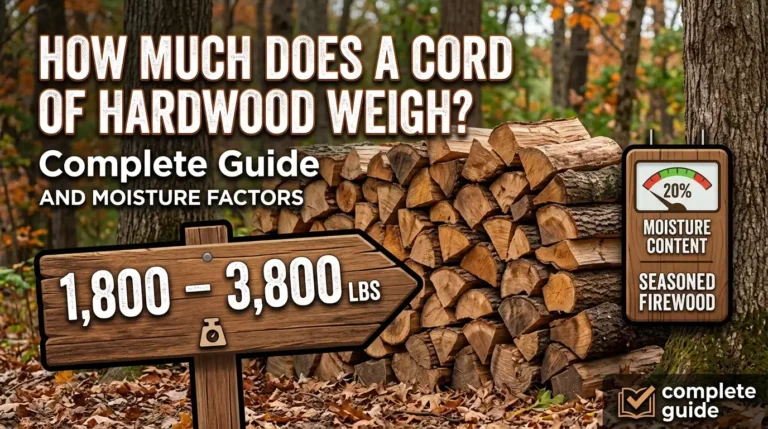
If you have a moisture meter, test a freshly split face, not the weathered outside of a piece — the inside tells the truer story. Many firewood guides use 20% moisture as a rough target for seasoned wood, so a reading well above that range is a reason to ask questions. Also count or measure the stack: confirm the stacked dimensions match what you ordered before you sign off or pay the balance.
Two guides on this site go deeper on this step. Burning Wet Firewood: Why You Shouldn’t explains what wet wood does to your fire and chimney, and Can Firewood Be Too Dry? covers the other end of the scale, including how very dry wood behaves in a stove.

⚠️ Heads Up: Refuse or set aside any load that contains treated, painted, or stained wood, plywood, or trash. It is not worth burning to save a few dollars — the fumes can harm your health and the residue can damage your chimney and stove.
Stack and Store Your Wood the Right Way
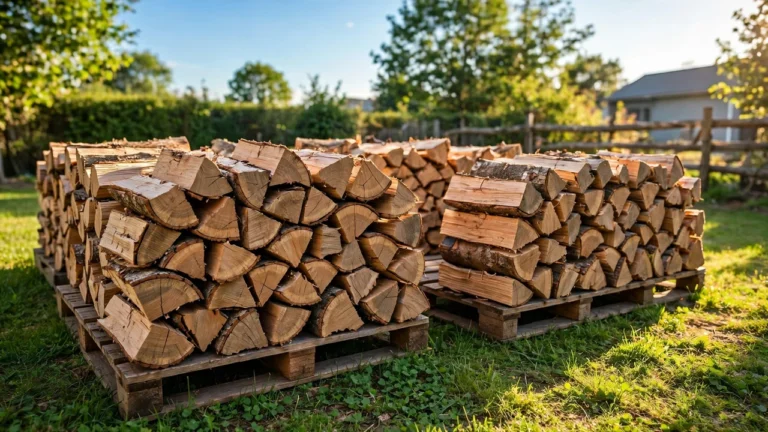
Good storage protects the money you spent on the load. Stack wood off the ground on pallets, rails, or a rack, with air able to move between the rows. Keep the stack in a sunny, breezy spot when you can, and cover only the top — a tarp draped down the sides traps damp air and slows drying. Bark side up on the top row helps shed rain.
Bring in only what you need for a day or two at a time, and keep indoor wood away from stoves, heaters, and open flames. Check stored wood now and then for signs of damp, mold, or insects, and clean up bark and debris around the stack so pests have fewer places to hide. Wood that was borderline when delivered may still improve with a few weeks of good storage, but wood that arrived soaking wet needs time and air — do not expect one dry weekend to fix it.
Keep Notes for Your Next Order
After your first season, a short note saves you from starting over. Write down the seller’s name, the species you bought, the amount and total cost, how the wood burned, and whether delivery and stacking went smoothly. Note any problems too: short stacks, wet pieces, or pieces cut too long for your firebox are all worth recording.
Over two or three orders, those notes turn into a clear picture of who sells wood you can count on and what amount actually lasts you a season. That record is worth more than any single review, because it reflects your stove, your climate, and your burning habits — not someone else’s.
Common Mistakes to Avoid
| Mistake | Why It Hurts | Do This Instead |
|---|---|---|
| Ordering by name alone (“a cord”) without dimensions | Sellers may mean different amounts by the same word | Ask for stacked dimensions in feet and the piece length |
| Accepting “seasoned” without checking | Wet wood smokes, burns poorly, and builds creosote | Check ends, weight, sound, and a moisture reading |
| Paying in full before seeing the load | Problems are harder to raise once money has changed hands | Inspect first, then pay the balance |
| Stacking wood flat on bare ground | Ground damp soaks into the bottom rows | Raise the stack and leave air gaps between rows |
| Burning scrap, treated, or painted wood | Harmful fumes and chimney damage | Burn seasoned firewood only; dispose of treated wood properly |
| Moving wood far from where it was cut | Pests and disease can travel with the wood | Buy local and check transport rules first |
Frequently Asked Questions
Where is the best place to buy firewood?
For most buyers, a local supplier or tree service offers the best mix of value, amount, and delivery. Stores work well for small bundles, and online ads can help you find local sellers — but always check seasoning, dimensions, and delivery terms before you order.
How can I tell if firewood is seasoned?
Look for cracked split ends, lighter weight, and a hollow sound when two pieces are knocked together. A moisture meter on a freshly split face gives the clearest check, and many guides use 20% as a rough target for seasoned wood.
What is the difference between a cord and a face cord?
A cord is a stacked measure of 128 cubic feet. A face cord is one row of a stack, usually 4 feet high and 8 feet long, with the depth set by piece length — so always ask for the stacked dimensions in feet.
Should I buy firewood in bulk or by the bundle?
Bulk loads usually cost less per piece and suit regular burners. Bundles suit occasional fires and small storage spaces, but they cost more per piece and rarely last a full season of steady burning.
Can I burn wood I find or cut myself?
Only with legal access and any required permits, and only if you can cut and handle it safely. Never cut on land without permission, and never burn treated, painted, or stained wood, plywood, or trash.
What should I do if my delivered firewood is wet?
Raise it with the seller first, while the load is still unstacked, and check what their policy covers. If you keep the wood, stack it off the ground with good airflow and give it time to dry — and burn seasoned wood in the meantime.
📌 Quick Reference Card
- Buy local when you can, and check transport rules before moving wood.
- Ask for dimensions: stacked feet, plus piece length.
- Check seasoning: cracked ends, light weight, hollow knock, low moisture reading.
- Confirm the full cost: wood, delivery, and stacking, before you order.
- Inspect on arrival, before stacking or paying the balance.
- Store raised, aired, and top-covered — never flat on bare ground.
- Burn seasoned wood only. Never burn treated, painted, or stained wood, plywood, MDF, or trash.