Are Electric Fireplace Inserts Worth It? An Honest Guide Before You Buy
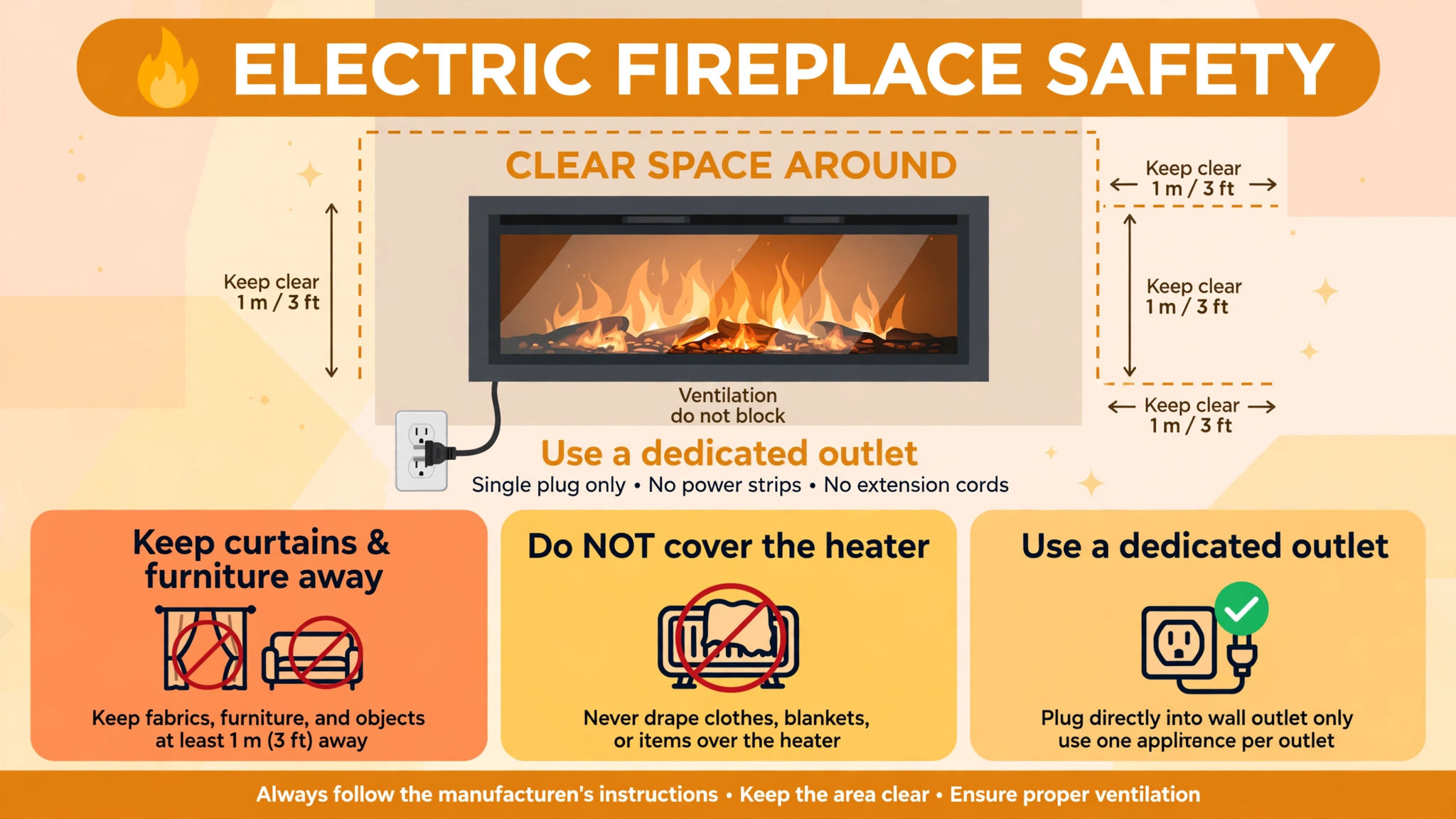
Safety note first: An electric fireplace insert is an electrical heating appliance. Plug it into a properly grounded outlet, keep it clear of curtains, bedding, paper, and other combustibles, and follow the clearance and use instructions in your model’s manual. Do not run a damaged unit, do not use an overloaded power strip or a light-duty extension cord, and call a licensed electrician for any new wiring, outlet work, or circuit concerns. If a unit smells of burning, trips a breaker repeatedly, or shows scorch marks, switch it off, unplug it, and have it checked before using it again.
An electric fireplace insert is a self-contained firebox that slides into an existing fireplace opening. It gives you flames, and usually heat, without wood, gas lines, or a working chimney. That sounds like an easy win for a cold, unused fireplace, and for many homes it is. The real question is whether it fits your fireplace, your room, and the way you plan to use it.
This guide works through that decision step by step. You will learn who inserts suit best, what they cost to buy and run, how much heat they can realistically add, and how they compare with a freestanding electric fireplace and other options. You will also find installation checks, maintenance basics, and the mistakes that cause the most disappointment.
What Is an Electric Fireplace Insert, Exactly?
An insert is made to fill an existing fireplace opening, rather than stand on its own in a room. Most models include a flame display that can run with or without heat, a heater with a fan, and a remote or built-in controls. Some include a trim kit or surround panels that cover gaps between the insert and the edges of your opening.
The flame effect is the main appeal for many buyers. It looks like a fire, it can run year-round, and it needs no fuel, ash cleanup, or chimney sweeping. The heater is a bonus in some homes and the main point in others, so it helps to be clear about which one matters more to you before you shop.
Before going further, it helps to understand the wider category. If you are new to the idea, read what an electric fireplace is to see how inserts fit alongside wall-mounted and freestanding models.
The Short Answer: Are Electric Fireplace Inserts Worth It?
For most people with a sound, unused fireplace opening, an insert is worth it when the goal is atmosphere plus supplemental heat in one room. It turns a dead fireplace into a focal point, it avoids the mess and upkeep of a wood fire, and it can take the chill off a living room on a cold evening. The value drops when the goal is whole-home heating, or when the opening is the wrong size, damaged, or hard to power safely.
An insert is also worth a closer look when you want flames without a flame you have to tend. There is no wood to haul, no ash to carry out, and no chimney to keep clear. That convenience is the reason many owners use the flame display far more often than they expected to.
On the other hand, an insert is a poor buy when it is bought on looks alone and never measured for. A unit that is too large will not fit, a unit that is too small will leave awkward gaps, and a unit placed far from a suitable outlet creates an electrical problem rather than solving a heating one. Measure first, then choose a model.
Who Electric Fireplace Inserts Are Worth It For
Inserts tend to suit homeowners with an existing masonry or factory-built fireplace that is no longer used, or is used rarely. They also suit renters and owners who want the look of a fire without committing to gas work or chimney repairs, provided the landlord or building rules allow it and the electrical setup is suitable.
They work well in a main living room, a family room, or a bedroom where one room needs extra warmth and a visual centerpiece. They are a good fit for people who value low upkeep, since there is no fuel to store and no soot to clean from a chimney. They also suit households that want flames in warmer months, because most models let you run the flame display without the heater.
- You have a sound fireplace opening that is currently unused or underused.
- You want atmosphere first, with extra heat for one room as a bonus.
- You want a fire look without wood, gas work, or chimney upkeep.
- You have a suitable outlet near the fireplace and a circuit that can handle the load.
- You are happy with supplemental heat rather than a whole-home heating system.
Who Should Think Twice
An insert is not the right tool for heating a whole house, or for a large, open-plan space on its own. It heats the room it sits in, and its effect fades as you move farther away or open doors to other rooms. If your main heating system is failing, an insert will not replace it, and that problem needs a heating professional.
Think twice if your fireplace opening is damaged, has loose brickwork, water damage, or a blocked or unsafe flue that has not been inspected. An insert covers the opening, but it does not repair structural problems behind it. Get the fireplace checked first if anything looks cracked, damp, or unstable.
Also pause if there is no grounded outlet near the fireplace, or if your home’s wiring is old and untested. Running a heater from a long extension cord across a room is a fire risk, not a workaround. In that case, get an electrician’s advice before buying, and factor that work into the total cost.
- You need whole-home heating or heat for several large rooms at once.
- Your fireplace opening is damaged, damp, or has never been inspected.
- There is no safe, nearby outlet, and new wiring would be a major job.
- You want real wood flames, crackle, and wood heat rather than a flame effect.
- Your opening is an unusual size and no insert fits it without major alteration.
How Much Do Electric Fireplace Inserts Cost?
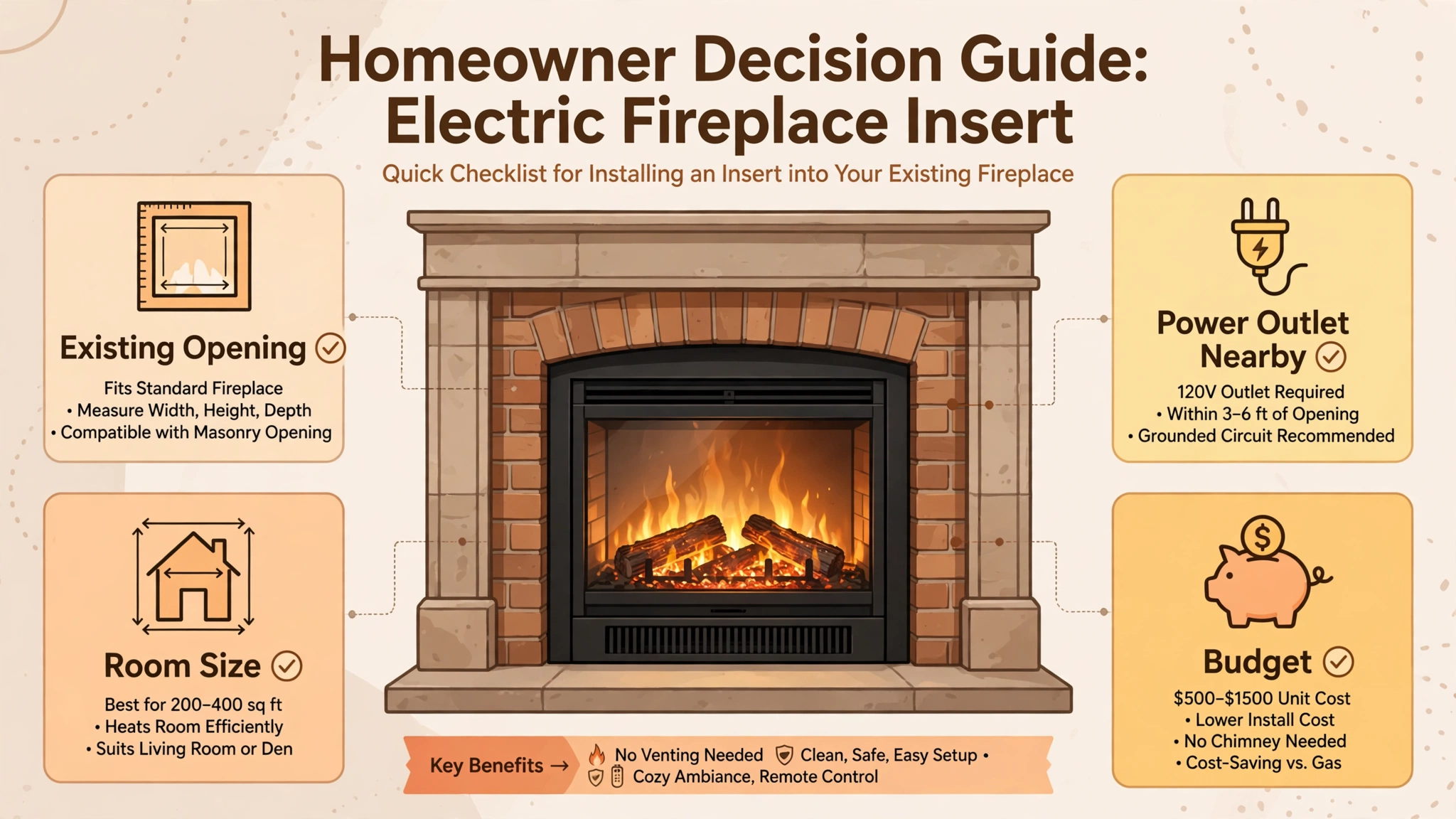
Insert prices vary widely by size, flame technology, brand, trim options, and retailer, so there is no single reliable price to quote here. A basic insert costs less than a large, feature-rich model with a realistic flame display, a surround kit, and premium controls. Check current retailer listings for the size and features you want, and compare like with like rather than comparing a bare insert with a fully trimmed package.
Budget for more than the insert itself. A trim kit, a surround, delivery, and any electrical work can add to the total. If an electrician needs to add or move an outlet, get that quote before you order, so the final cost holds no surprises. A cheap insert that needs costly electrical work may cost more overall than a better-fitting model near an existing outlet.
For a broader sense of price ranges across electric fireplace types, see how much an electric fireplace costs. Use that as background only, and confirm current prices for the exact model you plan to buy.
Running Costs: What to Expect on Your Electricity Bill
Running costs depend on three things: how powerful the heater is, how long you run it, and what you pay per unit of electricity. The flame display alone uses far less electricity than the heater, so running flames without heat costs much less than running the heater for hours. Your electricity tariff and local rates decide the final figure, so a national average would mislead more than it helps.
To estimate your own cost, check the heater’s power rating in the manual, note how many hours per day you expect to run it, and multiply by your electricity rate. Many owners cut costs by using the insert for evening warmth in one room while keeping the main thermostat lower, rather than heating the whole house to the same level. That approach only saves money if the rest of the house genuinely stays cooler and the insert is not left running in an empty room.
Keep the heater’s thermostat in mind, too. A model that cycles off once the room reaches the set temperature will use less electricity than one left on full heat all evening. Turning the heater off when you leave the room, and using the flame-only mode when you want atmosphere without warmth, are the two easiest ways to keep running costs down.
Heat Output and Room Size: What an Insert Can Realistically Do
Most electric fireplace inserts are designed as supplemental heaters for a single room, not as replacements for central heating. They work best in a closed or partly closed room where warm air can build up, such as a living room with doors that can be shut. In a large open-plan area, or a room with high ceilings and draughts, the same insert will feel far less effective.
Manufacturers usually state a recommended room size or coverage area for each model. Read that figure in the manual or product listing, and treat it as a guide for a typical insulated room, not a promise for every home. A draughty room, a room with single glazing, or a room open to a hallway will need more heat than the same floor area in a well-insulated space.
Measure your room, note its ceiling height, draughts, and how open it is to other rooms, then match those facts against the manufacturer’s guidance. If your room is at or beyond the top of the recommended range, expect modest warming rather than a cosy transformation. If you need strong heat for a large space, talk to a heating professional about options sized for that space instead of hoping a small insert will stretch further than it can.
Insert vs. Full Electric Fireplace vs. Other Options
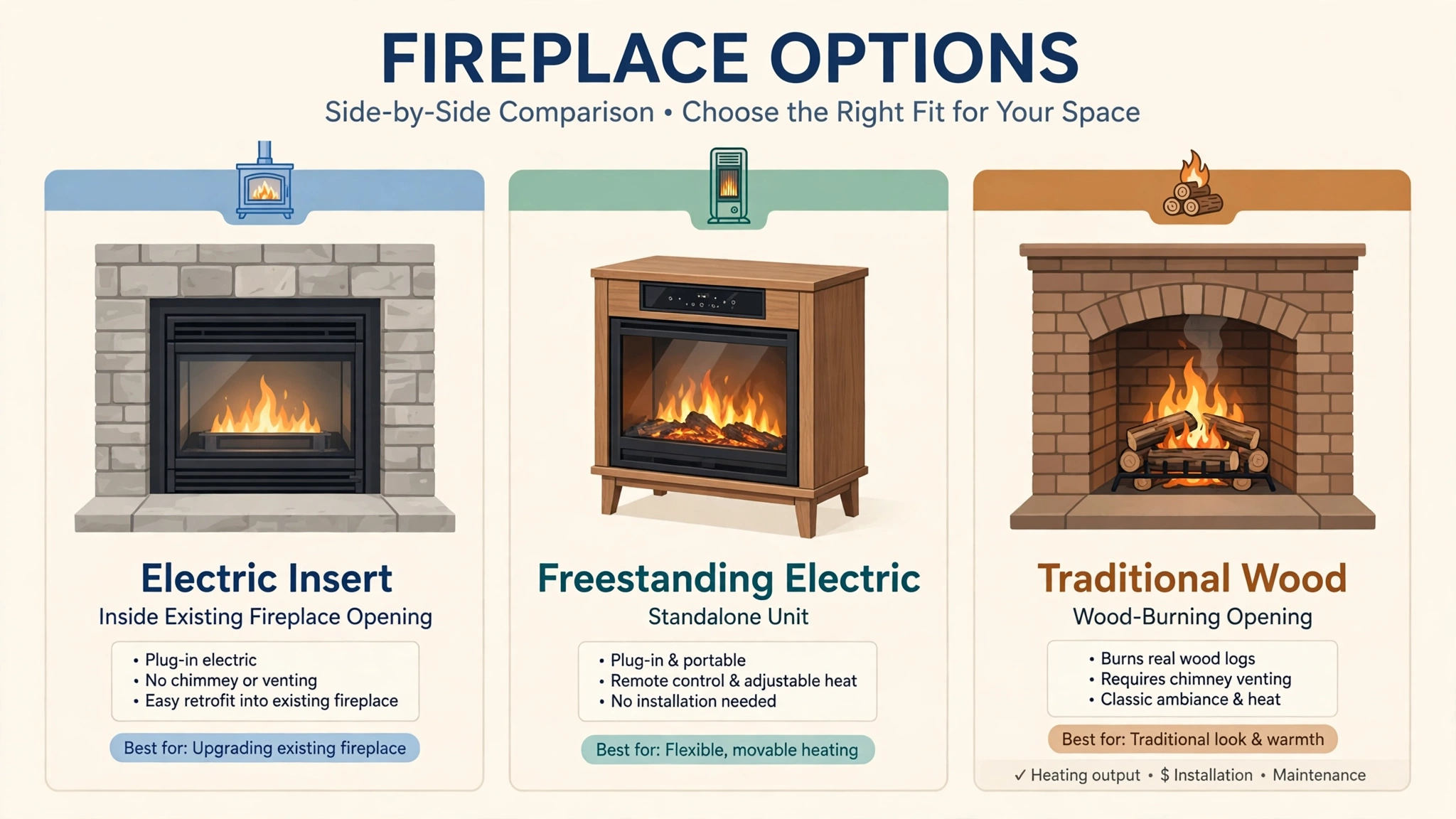
The main alternative to an insert is a freestanding or wall-mounted electric fireplace. A freestanding model needs no existing fireplace, so it suits homes without one, and it can move with you if you change rooms. An insert, by contrast, makes use of a fireplace you already have, and it tends to look more built-in and permanent.
Wall-mounted models suit flat walls and modern rooms, but they do not fill an old fireplace opening. A mantel package — an electric firebox built into a furniture-style surround — gives a fireplace look without an existing opening, but it takes up floor space and costs more than a bare insert in many cases. Each option trades looks, flexibility, and floor space differently, so the best choice depends on your room, not on a single ranking.
Compared with wood and gas, an electric insert wins on convenience and loses on authenticity. There is no real flame, no wood smell, and no gas flame to watch. For many buyers that trade is welcome, because it also means no fuel storage, no chimney sweeping, and no gas safety checks. For buyers who want a real fire experience, an electric flame effect will feel like a compromise, and that feeling rarely fades with time.
| Option | Best for | Main drawback |
|---|---|---|
| Electric fireplace insert | An existing, sound fireplace opening | Needs a fitting opening and a nearby outlet |
| Freestanding electric fireplace | Homes without a fireplace, or renters | Takes floor space and looks less built-in |
| Wall-mounted electric fireplace | Flat walls and modern rooms | Does not fill an old fireplace opening |
| Wood fireplace | Real flames and wood heat | Fuel, ash, chimney upkeep, and smoke |
| Gas fireplace | Real flames with push-button control | Gas supply, venting, and professional installation |
Installation and Electrical Considerations
Start with measurements, not shopping. Measure the width, height, and depth of your fireplace opening at several points, since old openings are rarely perfectly square. Compare those numbers with the insert’s required opening dimensions, including any clearance the manual asks for, and leave room for airflow around the unit. For a detailed walkthrough, see how to install an electric fireplace.
Next, check the power supply. Most inserts plug into a standard grounded outlet, but the heater draws a meaningful load, so it should not share a power strip with other high-power appliances. The outlet should be close enough that the cord reaches without stretching, trailing across a walkway, or running under a rug. If the cord cannot reach safely, that is an electrical job for a licensed electrician, not a reason to add a long extension cord.
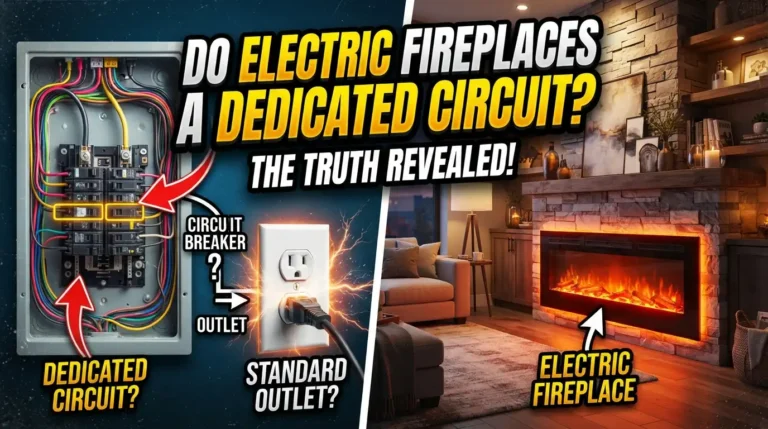
Some larger inserts may need a dedicated circuit, and the manual will say so. If your breaker trips when the heater runs, or if lights dim noticeably, stop using the heater and get the circuit checked. Never bypass a breaker, replace a fuse with a higher rating, or modify the unit’s wiring. Those shortcuts create a fire risk that no flame effect is worth.
Also check the condition of the old fireplace before fitting anything into it. Close or seal a damper only as the insert manual directs, and do not block ventilation the manual requires. If the chimney or flue is in poor condition, ask a chimney professional whether it needs attention even though the insert itself needs no chimney. An insert hides the opening from view, which makes it easy to forget problems behind it.
Safety Guidance Worth Following Every Time
Electric inserts are safer than open fires in several ways — there is no real flame, no embers, and no smoke — but they are still heaters, and heaters demand respect. Keep furniture, curtains, bedding, and paper at least as far away as the manual requires, and never drape anything over the unit or block its air outlets. A blocked heater overheats, and an overheated heater is a fire risk.
Supervise children and pets around any heater, and teach children that the front of a running insert can get hot. Turn the heater off when you leave the house or go to bed, unless the manual clearly states it is designed for unattended use and you have followed its instructions. Even then, a room with a running heater should never hold drying laundry draped near it.
For a fuller safety overview, read are electric fireplaces safe. If anything about your unit worries you — a burning smell, a cracked casing, a frayed cord, or a control that sticks — switch it off, unplug it, and get it inspected before using it again.
Maintenance: Keeping an Insert in Good Shape
Maintenance is light, but it is not zero. Dust the outside with a soft, dry cloth when the unit is cool and unplugged, and clean the glass or flame screen as the manual directs so the flame effect stays clear. Vacuum dust from air inlets and outlets gently, and never poke tools into vents or open the casing to clean inside unless the manual tells you to.
Check the cord and plug from time to time for fraying, cracking, or heat damage. Check that the unit still sits level and stable in the opening, and that trim panels have not shifted to block airflow. If the flame effect dims, flickers oddly, or the heater stops working, start with the manual’s troubleshooting steps before assuming the unit has failed. For routine cleaning steps, see how to clean an electric fireplace.
Keep the manual somewhere you can find it. Model-specific details — filter locations, bulb or LED access, reset steps, and clearance distances — vary, and guessing at them can damage the unit or void a warranty. If a repair needs the casing opened or wiring touched, use a qualified repairer rather than opening it yourself.
Common Mistakes and Troubleshooting
The most common mistake is buying before measuring. An insert that is a few centimetres too wide will not fit, and trimming brickwork to force it in is a job for a professional, not a weekend improvisation. Measure the opening at the front and at the back, since old fireplaces often narrow with depth.
The second common mistake is expecting whole-room or whole-home heat from a supplemental heater. If the room stays cold, check the obvious causes first: open doors to cold rooms, draughts, a thermostat set low, or a heater outlet blocked by furniture. If those are ruled out, the room may be too large or too open for that model, and a larger solution is needed.
Other frequent problems have simple causes. A unit that will not start may have a tripped breaker, a loose plug, or a safety cut-out that tripped after overheating — let it cool, clear any blockage, and reset it only as the manual directs. A flame effect that looks flat may need a clean glass screen or a brightness adjustment.
A remote that stops working usually needs fresh batteries or a clear line of sight to the receiver. If a problem returns after those checks, stop using the heater function and get the unit inspected.
- Measure the opening at several points before ordering.
- Match the model to your room size, not to the largest room you wish it could heat.
- Keep air inlets and outlets clear of furniture, curtains, and dust build-up.
- Use a proper grounded outlet, never a long extension cord or an overloaded strip.
- Read the manual’s reset and troubleshooting steps before forcing a fix.
Frequently Asked Questions
Do electric fireplace inserts really heat a room?
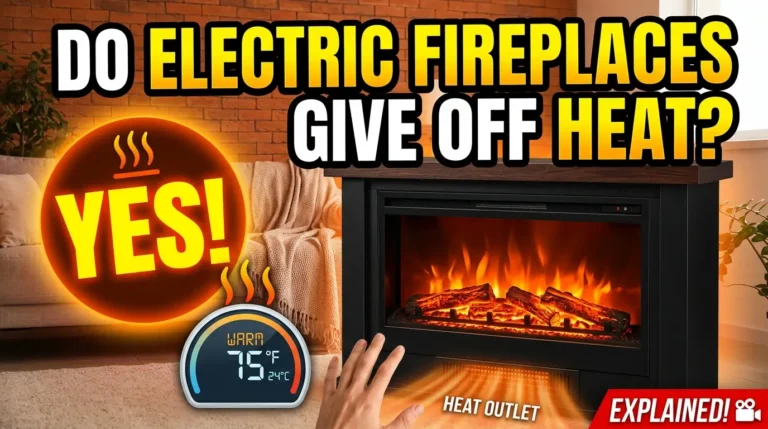
Yes, within limits. Most inserts add noticeable warmth to a single, reasonably sized room, especially when doors can be shut. They are supplemental heaters, not whole-home heating systems, so a large or draughty space will feel only modestly warmer.
Can I install an electric fireplace insert myself?
Many inserts are designed to slide into an opening and plug into an existing grounded outlet, which a careful homeowner can do by following the manual. Any new wiring, outlet work, or circuit changes should be done by a licensed electrician, and structural changes to the fireplace need a professional.
Do I need a chimney for an electric fireplace insert?
No. An electric insert needs no chimney, flue, or venting, because it produces no smoke or combustion gases. It sits in an existing opening for looks and fit, not because it needs the chimney to work.
Can I run the flames without the heat?
Yes, on most models. The flame display and the heater are usually controlled separately, so you can enjoy the flame effect in warmer months without adding heat to the room.
Are electric fireplace inserts safe to leave on overnight?
Follow your model’s manual rather than a general rule. Many owners switch the heater off at bedtime as a precaution, even when a model includes a thermostat and safety cut-out. Never leave a heater running near bedding, curtains, or drying laundry, and never run a damaged unit.
Will an insert fit my old fireplace?
It depends on your opening’s width, height, and depth, measured at several points. Compare those measurements with the insert’s required opening size, including clearances in the manual. If no standard size fits, a trim kit can cover small gaps, but large gaps or structural problems need professional advice.
Conclusion: So, Are Electric Fireplace Inserts Worth It?
An electric fireplace insert is worth it when you have a sound opening, a safe power supply, and realistic expectations. It brings back a dead fireplace, adds atmosphere all year, and warms one room without fuel, ash, or chimney work. For that job, few options are easier to live with.
It is not worth it as a whole-home heater, as a fix for a damaged fireplace, or as a purchase made before measuring. If any of those apply, sort the underlying problem first, then revisit the insert with a clear picture of the room and the cost. Before you buy, it is also worth comparing the wider question in are electric fireplaces worth it, so your insert decision sits inside the full picture rather than standing alone.
Measure your opening, check your outlet and circuit, match the model to your room, and read the manual’s safety and clearance rules. Do those four things, and an insert is likely to be a purchase you enjoy every evening — flames on, heater as needed, and no woodpile in sight.