Propane Heaters: How to Choose the Right One for Your Patio, Deck, or Campsite
Shopping for a propane heater can feel confusing fast. One model stands tall over a patio table, another sits on the table itself, and a third is made to hang on a wall. They all burn propane, but they do not heat the same kind of space in the same way.
This guide helps you choose among propane heater types by starting with your space, not with a product page. You will compare freestanding, tabletop, wall-mounted, portable, and fire-table styles. You will also learn how to size a heater, check its fuel needs, and spot the safety features that matter most.
By the end, you should be able to shortlist one or two styles that fit your seating area, your wind exposure, and how often you plan to use the heater. No single model is right for every outdoor space. The right choice is the one that warms the people you actually seat, in the place you actually use.
Safety first: read this before you shop
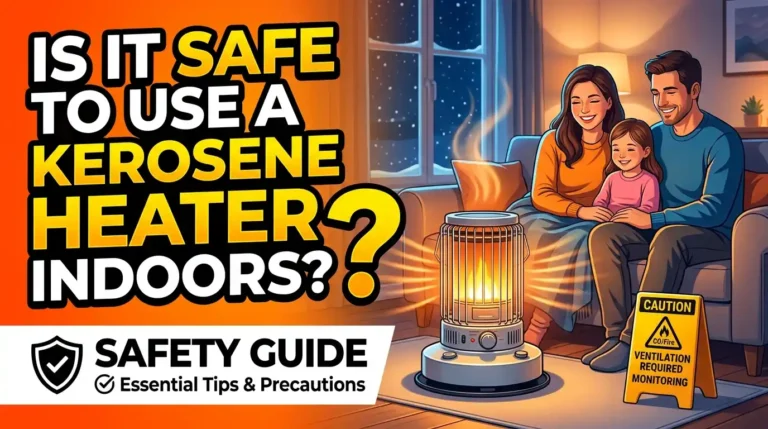
Propane heaters are outdoor appliances unless the manufacturer clearly rates a specific model for another use. Never use an outdoor-only propane heater indoors, in a garage, in a tent, or in any enclosed space.
Burning propane in a poorly ventilated space can produce carbon monoxide, which is colourless and odourless. If you ever smell gas, turn the heater off if it is safe to do so, move away, and do not light matches or switches nearby. Leave the area and call your gas supplier or emergency services from a safe place.
Keep the heater clear of furniture, curtains, umbrellas, plants, and anything that can catch fire. Follow the clearance distances in the manual for your exact model, and always check connections for leaks before first use and after changing a tank.
Start With Your Space, Not the Heater
The best place to begin is a quick look at where people will sit. A heater warms a zone around it, not a whole yard. If chairs are spread across a long deck, one tall heater at one end will leave the other end cold.
Sketch your seating area in your head, or on paper if that helps. Note the table, the chairs, any walls, and the direction wind usually comes from. Wind is one of the biggest reasons an outdoor heater feels weaker than expected, because moving air carries warmth away from people.
Also note what sits above the heater. A freestanding heater needs open height and clearance from umbrellas, pergolas, awnings, and tree branches. A wall-mounted model needs a solid, suitable wall and the clearances stated in its manual. These practical limits often narrow the choice faster than any feature list.
If you already own a patio heater, or you are comparing a new one with an older setup, our guide to how to assemble and install a patio heater is a useful check on placement, stability, and setup steps. It is worth reading before you buy a style that needs a fixed mount or a heavy base.
The Main Propane Heater Types, Compared
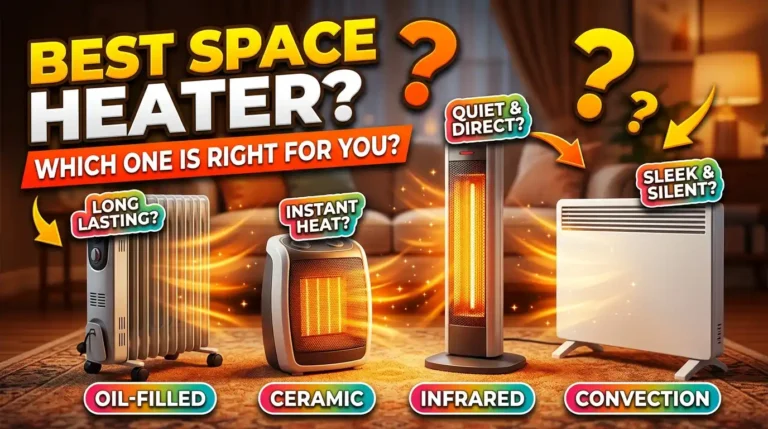
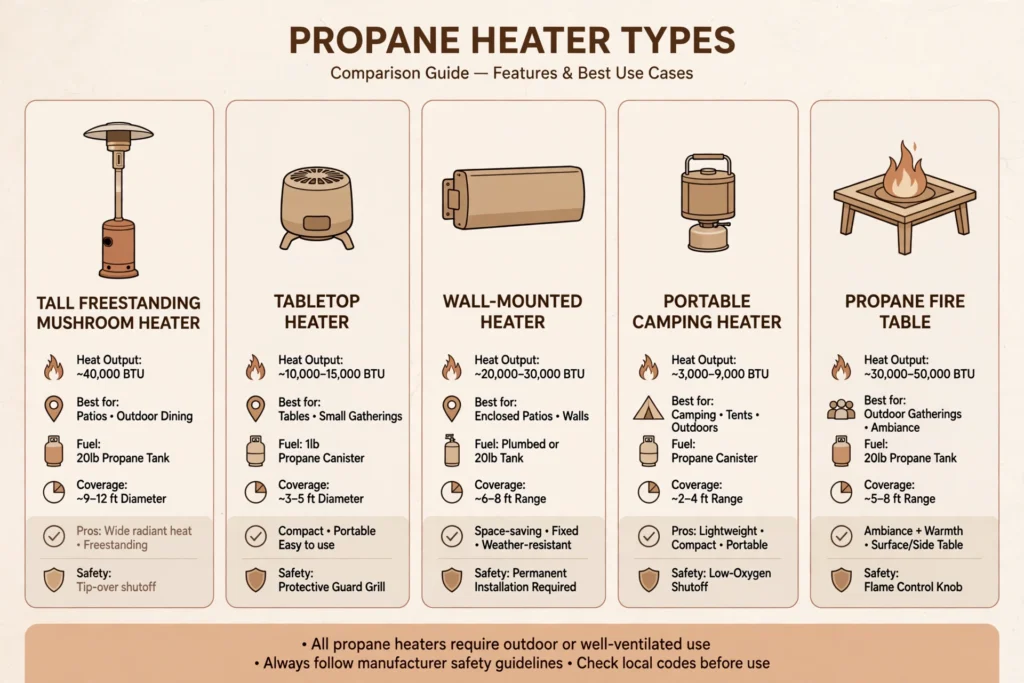
Propane heaters fall into a few clear families. The differences are not only about looks. Each type spreads heat differently, uses a different tank setup, and suits a different kind of gathering.
Propane heater types at a glance
| Type | Best for | Watch out for |
|---|---|---|
| Freestanding mushroom or tower | Open patios and standing or seated groups around one area | Needs height clearance and a stable, level base |
| Tabletop | Small tables and two to four people sitting close together | Small heat zone; table must be sturdy and heat-safe |
| Wall-mounted | Covered patios, porches, and fixed seating areas | Needs correct mounting, clearances, and often professional fitting |
| Portable or camping | Campsites, tailgates, workshops used outdoors, and small gatherings | Smaller tanks; check whether it is rated for the space you plan to use |
| Fire-table style | Lounging around a table where flame and warmth are both part of the evening | Needs table clearance and care with drinks, sleeves, and children nearby |
Freestanding Mushroom and Tower Heaters
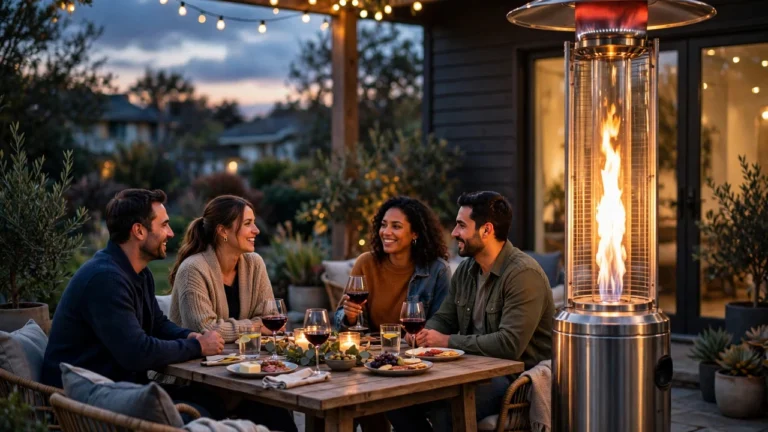
A freestanding heater is the classic patio heater shape: a tall post, a tank hidden in the base, and a reflector or glass tube at the top. Mushroom-style models spread heat outward from a wide reflector. Tower models often show a visible flame inside a tall glass tube.
Choose this style when you have an open patio and a group that gathers in one area. It works well beside a dining table or a lounge set, because people can sit around its heat zone. It is less useful for a long, narrow deck, where one tall heater cannot reach both ends.
Check the base before you buy. A freestanding heater should feel stable on your surface, and it should not wobble when someone brushes past it. If your patio is uneven, sloped, or often windy, stability matters more than style. A tip-over shut-off is a valuable safety feature here.
Tabletop Heaters
A tabletop heater is a smaller version of the freestanding idea, made to sit on a sturdy table. It usually runs from a small propane cylinder rather than a large tank. That makes it easy to store and carry, but it also limits its heat zone.
Choose a tabletop heater for a small table, a balcony table, or a quiet evening for two to four people. It warms the people sitting right at that table. It will not warm a whole patio, and it should not be treated as a substitute for a larger heater.
The table itself matters. It must be stable, level, and able to handle heat and weight. Keep the heater away from table edges, tablecloths, paper items, and anything that could be knocked over. Children and pets should not be able to reach the hot surfaces or pull the heater down.
Wall-Mounted Heaters
A wall-mounted propane heater fixes heat in one place. That can be ideal for a covered patio, a porch, or a seating area that never moves. Because the heater stays put, you do not lose floor space to a tall post and base.
This style needs more planning than a freestanding model. You need a wall that the manufacturer allows, the right mounting height, and the clearances stated in the manual. Some installations also need a fixed gas supply or a licensed installer. If any part of that is unclear, get professional advice before you buy.
Wall-mounted heat is directional, which is both a strength and a limit. People sitting in front of it feel warmth, while people around a corner may feel little. Sit in the seats you plan to use, then check where the heater would point. If the main seating area is not in that line, a freestanding model may serve you better.
Portable and Camping Heaters
Portable propane heaters are made to move. They are smaller, lighter, and often designed for camping, fishing, tailgates, and other short outdoor stays. Some are radiant heaters that warm people directly. Others are small forced-air models for larger open areas.
Choose this style when portability is the point. If you want one heater for a campsite this weekend and a driveway gathering next month, a portable model makes sense. If you want a permanent patio setup, a larger freestanding or wall-mounted heater will usually feel more settled and cover a wider area.
Read the rating with extra care here. Some portable heaters are rated for outdoor use only, while others carry a rating for certain ventilated indoor or sheltered uses. Never assume a portable heater is safe in a tent, a camper, or a closed garage. Follow the manual exactly, and keep a working carbon monoxide alarm nearby whenever a fuel-burning heater is used in or near a sheltered space.
Fire-Table Style Heaters
A propane fire table combines a table with a burner in the centre. It gives warmth and a visible flame, and it creates a natural gathering point. Many people choose it for lounging, conversation, and relaxed evenings rather than for formal dining.
Choose a fire table when the table itself is part of the experience. It works best when people sit around it and stay at a comfortable distance from the burner. It is less practical as a dining table, because the centre burner takes up space and needs clearance from plates, glasses, and decorations.
Check the tank setup before you buy. Some fire tables hide a tank inside the base, while others need an external tank or a fixed supply. Also check the table height, the wind guard if one is included, and how easy it is to turn the burner off quickly. Loose sleeves, long table runners, and curious hands all need distance from an open burner.
How to Size a Propane Heater for Your Space
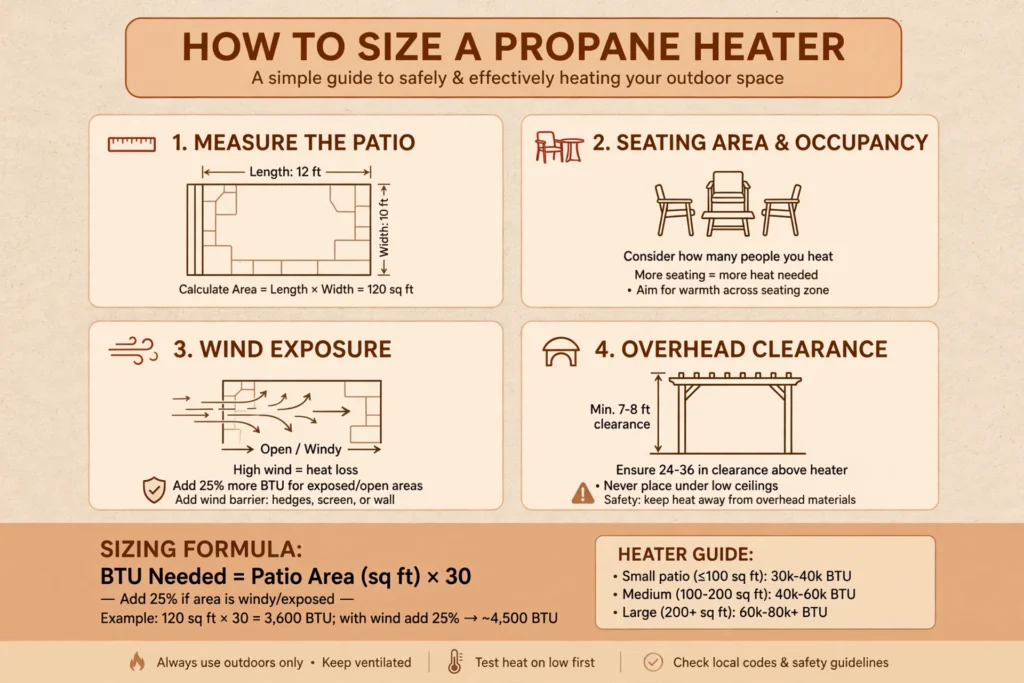
Sizing is where many buyers go wrong, because they compare heaters by a single number on a box. A heater rating tells you something useful, but it does not tell you how warm you will feel on a windy evening. Your space, your seating, and your weather matter just as much.
Start by measuring the area where people will sit, not the whole yard. A heater that looks strong on paper can still feel weak if chairs are spread out. On the other hand, a modest heater can feel pleasant when people sit close together in a sheltered corner.
Next, look at shelter. Walls, fences, hedges, and a roof can block wind and hold warmth near people. An open, exposed patio loses heat faster. If your space is windy, plan for a heater with a higher output than you would choose for a sheltered spot of the same size, or plan for more than one heater.
Finally, read the manufacturer’s stated coverage or heating area for each model you shortlist. Treat that figure as a best-case guide for calm, sheltered conditions, not a promise for every night. If your space sits between two sizes, the larger option is often the safer planning choice, provided clearances and safety rules still fit.
For a closer look at the measuring step, see our guide on what size patio heater you need. It walks through seating layout and coverage in more detail, and it pairs well with the type comparison above.
A simple sizing walk-through
- Measure the seating zone. Length times width gives you the area people will actually use.
- Count the seats. More seats, spread farther apart, usually need more coverage than a tight group.
- Rate the wind. Sheltered, partly sheltered, and exposed are very different evenings.
- Check overhead clearance. Rule out any tall heater that cannot meet its manual clearances.
- Compare manufacturer coverage. Use the stated coverage as a guide, not a guarantee.
- Test before a big gathering. Run the heater on a normal evening and sit in every seat.
Fuel: Tanks, Cylinders, and What to Check
Propane heaters use different fuel setups, and the setup affects convenience as much as heat. A freestanding patio heater often uses a large tank stored in its base. A tabletop or portable heater often uses a small cylinder that is easier to carry but holds less fuel.
Before you buy, confirm which tank or cylinder size the model takes. Check whether that size is easy to refill or exchange near you. A heater that needs an uncommon cylinder can become a hassle, even if the heater itself works well.
Also check how the tank connects and where it sits. The connection should be easy to reach without tipping the heater or forcing a hose. Hoses should not kink, stretch across walkways, or sit where chairs can roll over them. If a hose looks damaged, cracked, or worn, replace it with a part approved for that model.
Running time depends on the heater setting, the tank size, and the weather. Rather than guessing from a headline figure, read the manual for your model and plan around your own use. Our guide to how long a propane tank lasts on a patio heater explains the factors that shorten or stretch a tank, without treating any single figure as a promise.
Store spare tanks outdoors, upright, in a ventilated area, away from heat and ignition sources. Never store a propane tank indoors, in a basement, or in a closed vehicle for long periods. If a tank smells of gas, feels damaged, or has a faulty valve, do not use it. Contact your supplier for advice on safe handling and disposal.
Safety Features Worth Paying Attention To
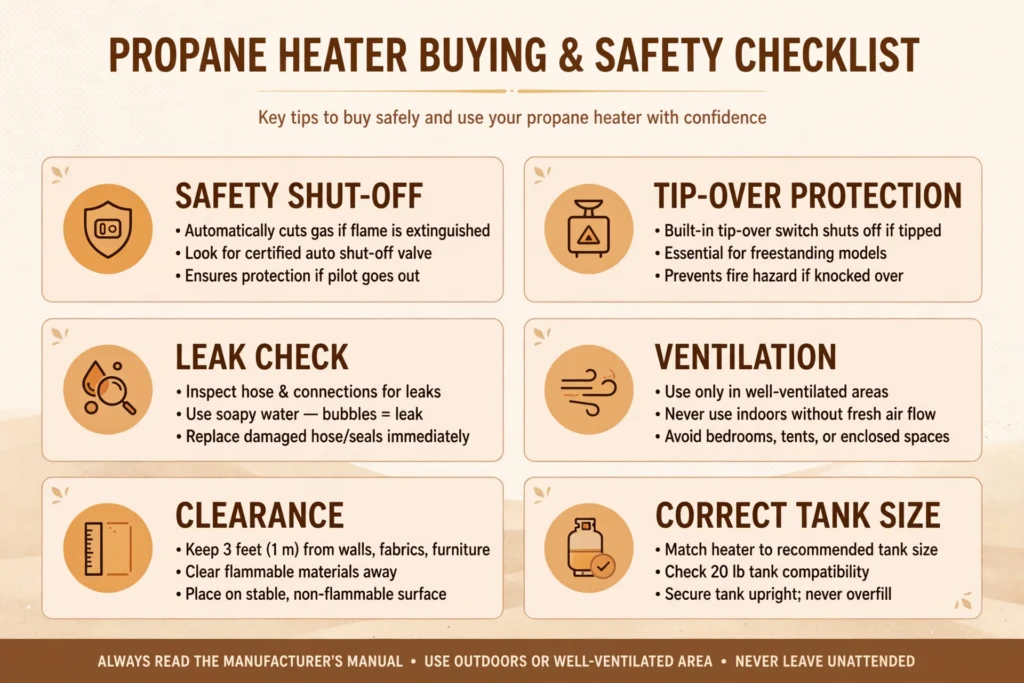
Safety features do not make a heater safe on their own. Good placement, correct use, and regular checks matter more. Still, certain features help prevent common accidents, and they are worth comparing when models otherwise look similar.
Tip-over protection shuts the heater off if it falls over. This is especially useful for freestanding and portable heaters, which can be knocked by wind, pets, or passing feet. An oxygen-depletion sensor, where fitted, shuts a heater off when oxygen levels fall. Check whether your model has it, and never rely on it as a reason to use an outdoor heater in an enclosed space.
Flame-failure protection stops gas flow if the flame goes out. That matters on windy nights, when a flame can blow out and leave gas flowing. A sturdy base, a secure tank compartment, and controls that are easy to reach without leaning over hot surfaces are also practical safety points.
Look for clear certification marks for your country or region, and buy from a reputable seller. A missing manual, unclear labelling, or a price that seems far below similar models should raise questions, not excitement. Keep the manual after purchase, because clearance distances, leak-check steps, and maintenance intervals vary by model.
Leak check: a habit to build
After connecting a tank, and after any tank change, check connections for leaks following your manual. A common method is a soapy-water solution brushed over connections, watching for bubbles that grow. Never use a flame to check for a leak.
If you find bubbles, smell gas, or hear hissing, turn the gas off if it is safe to do so and do not light the heater. Move away from the heater and get advice from your supplier or a qualified technician. Do not keep tightening a damaged fitting in the hope that it will seal.
Clearance deserves its own check, because it is easy to overlook when a heater looks neat in a photo. Our guide to patio heater clearance covers distances from walls, ceilings, furniture, and overhead cover. Use it alongside your manual, and measure your real space rather than estimating from memory.
Propane vs Electric: A Quick Reality Check
Many buyers narrow the choice to propane or electric before they compare propane types. That is a fair question, but it is a separate decision from choosing among propane models. Propane suits places without a handy outdoor outlet, and it can move with you. Electric suits small, sheltered spots near power, and it avoids tanks and refills.
If you are still weighing fuel types, read our electric vs propane patio heater comparison before you commit. It covers running costs, setup, and practical limits in more detail. Once you have settled on propane, return to the type comparison above and let your seating layout decide the style.
Do not choose propane only because it looks stronger, or electric only because it looks simpler. The better fuel is the one that fits your outlet access, your storage for tanks, your wind exposure, and how often you will actually use the heater. A heater that is awkward to fuel or place will sit unused, no matter how good it looks.
Buying Checklist: Run Through This Before You Pay
Use this checklist after you have shortlisted a style. It catches the small mismatches that cause returns: a heater that is too tall for a pergola, a tank that is hard to refill, or a mount that your wall cannot take.
Before you buy: propane heater checklist
- Seating area measured, with wind direction and shelter noted
- Heater type matched to seating layout, not only to looks
- Overhead and side clearances checked against the manual
- Tank or cylinder size confirmed, with refill or exchange available nearby
- Base or mount stable on your surface, with tip-over protection where available
- Flame-failure protection and clear, reachable controls checked
- Outdoor rating confirmed for the exact place you plan to use it
- Manual, warranty, and spare parts available from a reputable seller
- Plan for storage, cover, and off-season tank handling
Common Mistakes When Choosing a Propane Heater
The most common mistake is buying for the largest number on the box. A high-output heater in the wrong place can still leave guests cold, while a well-placed heater of modest output can feel pleasant. Placement and seating layout deserve as much attention as output.
Another mistake is ignoring wind. A sheltered courtyard and an exposed rooftop are different heating problems, even if they measure the same size. If wind is a regular feature of your space, look for wind-resistant design features, test the heater on a breezy evening, and consider whether a second heater or a windbreak makes more sense than one larger unit.
A third mistake is forgetting the tank. Buyers focus on the heater and discover later that the tank is heavy, awkward to change, or hard to refill locally. Check tank access before purchase. Lift the weight in the shop if you can, and make sure you can reach the valve and hose without strain.
Finally, do not skip the manual after delivery. Clearances, assembly steps, and leak checks vary by model. A heater installed from memory, rather than from its manual, is more likely to end up too close to a wall, under a low cover, or on an unstable surface.
Maintenance That Keeps a Good Choice Working
A propane heater needs light, regular care. Keep burners and reflectors clean following the manual, and check hoses and connections for wear. Store the heater covered and dry when it is not in use, and keep the tank valve closed when the heater is off for a long period.
Before the first use of a season, inspect the whole unit. Look for rust, insect nests in burner openings, damaged hoses, and loose fittings. If anything looks damaged, do not light the heater until it has been checked or repaired with approved parts. A seasonal check takes minutes and prevents many common faults.
When you finish for the evening, turn the heater off at the control and at the tank if your manual advises it. Let the unit cool fully before covering it or moving it. Hot surfaces, especially glass tubes and reflectors, stay hot longer than many people expect.
Frequently Asked Questions
Can I use a propane patio heater indoors?
No, unless the manufacturer clearly rates that exact model for indoor use and you meet every condition in its manual. Most patio propane heaters are outdoor-only, and using one indoors or in an enclosed space creates a carbon monoxide risk.
What size propane heater do I need for a small patio?
Start with your seating area, not the whole patio, and compare the manufacturer’s stated coverage for each model. A sheltered, close seating group needs less coverage than the same area in an exposed, windy spot.
Are tabletop propane heaters worth it?
Tabletop heaters are worth it for a small, stable table and a small group sitting close together. They are not a good substitute for a larger heater when you need to warm a whole patio or a long table.
What safety features should a propane heater have?
Look for tip-over shut-off on freestanding and portable models, flame-failure protection, a stable base or secure mount, and clear certification marks. Always follow the manual for clearances, leak checks, and ventilation.
Can I use a propane heater under a covered patio?
Only if the manufacturer allows it for that model and you meet its clearance and ventilation rules. Check the manual for overhead height, side clearance, and any limits on roofs, awnings, and enclosed sides.
How do I check a propane heater for leaks?
Follow your manual and check connections after fitting or changing a tank, often with a soapy-water solution that shows growing bubbles at a leak. Never use a flame to check for a leak, and do not light the heater if you smell gas or find a leak.
Should I choose a freestanding heater or a fire table?
Choose a freestanding heater when you need heat spread around a seating area. Choose a fire table when lounging around a central flame is the main experience and you can keep a safe distance from the burner.
What should I do if I smell gas near a propane heater?
Turn the gas off if it is safe to do so, move away, and do not light matches or operate electrical switches nearby. Call your gas supplier or emergency services from a safe place and do not use the heater until it has been checked.
Final Check Before You Choose
Measure your seating area, note your wind and shelter, and check your clearances. Then match those facts to a heater type, not the other way round. A freestanding heater suits an open gathering spot, a tabletop suits a small table, a wall-mounted model suits fixed seating, a portable model suits travel, and a fire table suits relaxed lounging.
Run through the buying checklist one last time before you pay. Confirm the tank size, the safety features, the outdoor rating, and the manual clearances. That short pause is often the difference between a heater you use all season and one that ends up stored in a corner.
Once you have chosen, test it on an ordinary evening before a big gathering. Sit in every seat, check for draughts and cold spots, and adjust placement while you still have time. A good propane heater should make the evening easier, not add another thing to worry about.