Are All Space Heaters the Same? The Key Differences That Affect Your Comfort, Safety, and Power Bill
Are All Space Heaters the Same?
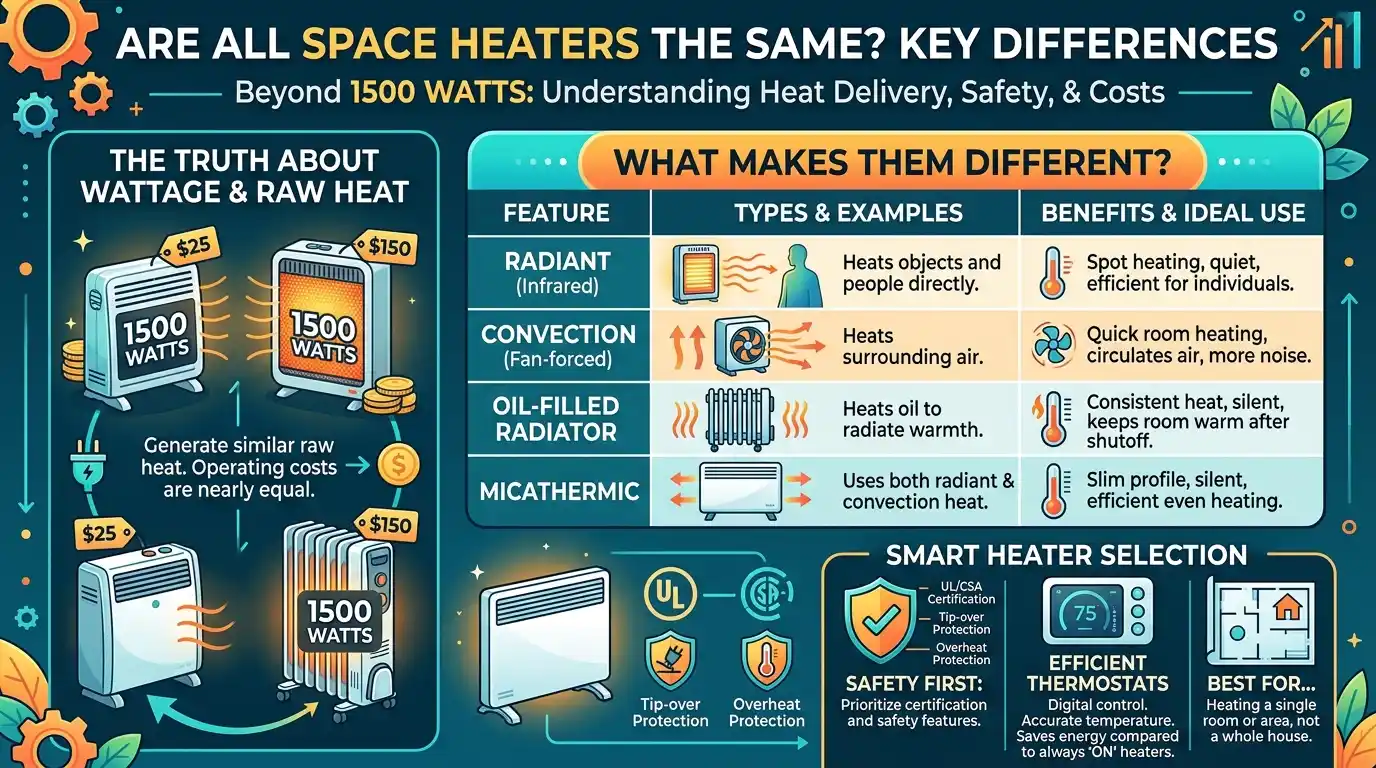
Two heaters may both be labeled 1500 watts on the box, but one is only 25 and the other 150. Are there no space heaters that are different? Yes, mostly, in terms of raw heat. No, in the sense of the way that heat gets to you, the safety of the heater, and its suitability to your room.
Key takeaways
- Heaters with the same wattage that use electricity generate almost the same amount of heat and cost approximately the same to operate.
- The actual variations are heat delivery, speed, noise, quality of thermostat and safety.
- Price is not as important as safety certification and tip over protection.
- A good thermostat on a heater can be cheaper to operate than one which blasts all the time.
- Space heaters are not suitable to heat an entire house, but only one room or individual.
Do All Space Heaters Produce the Same Amount of Heat?
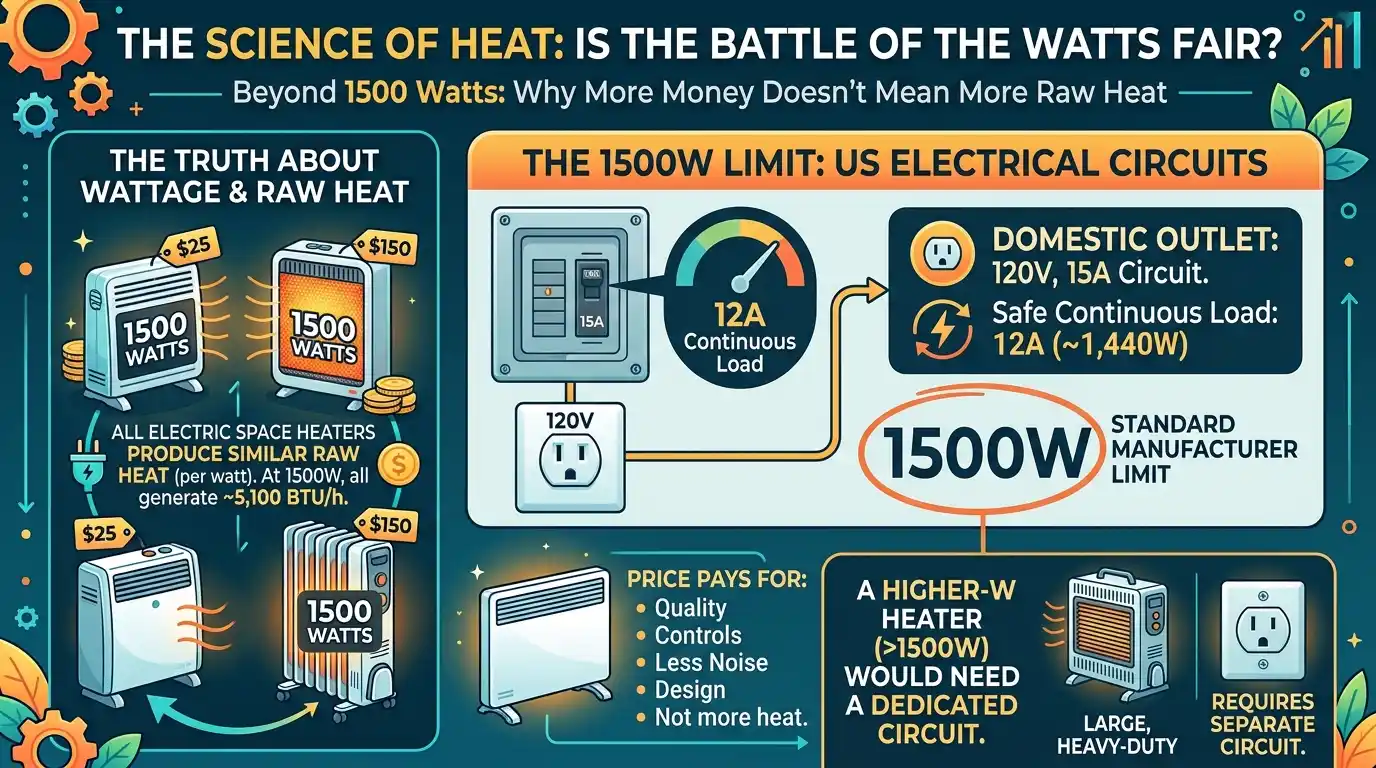
Yes, per watt. Almost all the electrical power consumed by an electric space heater is heat, so a 1500W heater provides approximately 5,100 BTU per hour, regardless of brand or cost. A watt is approximately 3.412 Btu/h. If you want a deeper look at the science behind how electric heaters turn power into warmth, that guide covers each heater type in detail.
This is why a $200 designer heater and a $30 ceramic heater can heat the same room to approximately the same temperature with the same wattage and sufficient time. Price seldom purchases more heat. It purchases superior controls, quality of building, less noise, or design.
Why 1500 Watts Is So Common
The majority of domestic outlets in the US operate at 120 volt, 15 amp. The maximum safe continuous current on such a circuit is approximately 12 amps or 1,440 watts. Manufacturers limit portable heaters to 1500W to enable them to be plugged in a standard outlet.
It is also the reason why a plug in heater will not be stronger with higher payment. A larger heater would require a separate circuit.
What Actually Makes Space Heaters Different?
Even at the same wattage, seven things differentiate one heater to another.
- Heating method. Forced by convection, radiant or fans.
- Warm up speed. How soon you get warm.
- Heat retention. Whether it continues to warm when it cycles off.
- Noise level. Fans buzz, oil radiators are almost silent.
- Thermostat accuracy. An efficient thermostat conserves and maintains a constant temperature.
- Safety features. Overheat protection, certification, tip over switch.
- Size and coverage. What room and how much area it accommodates.
Main Types of Space Heaters Compared
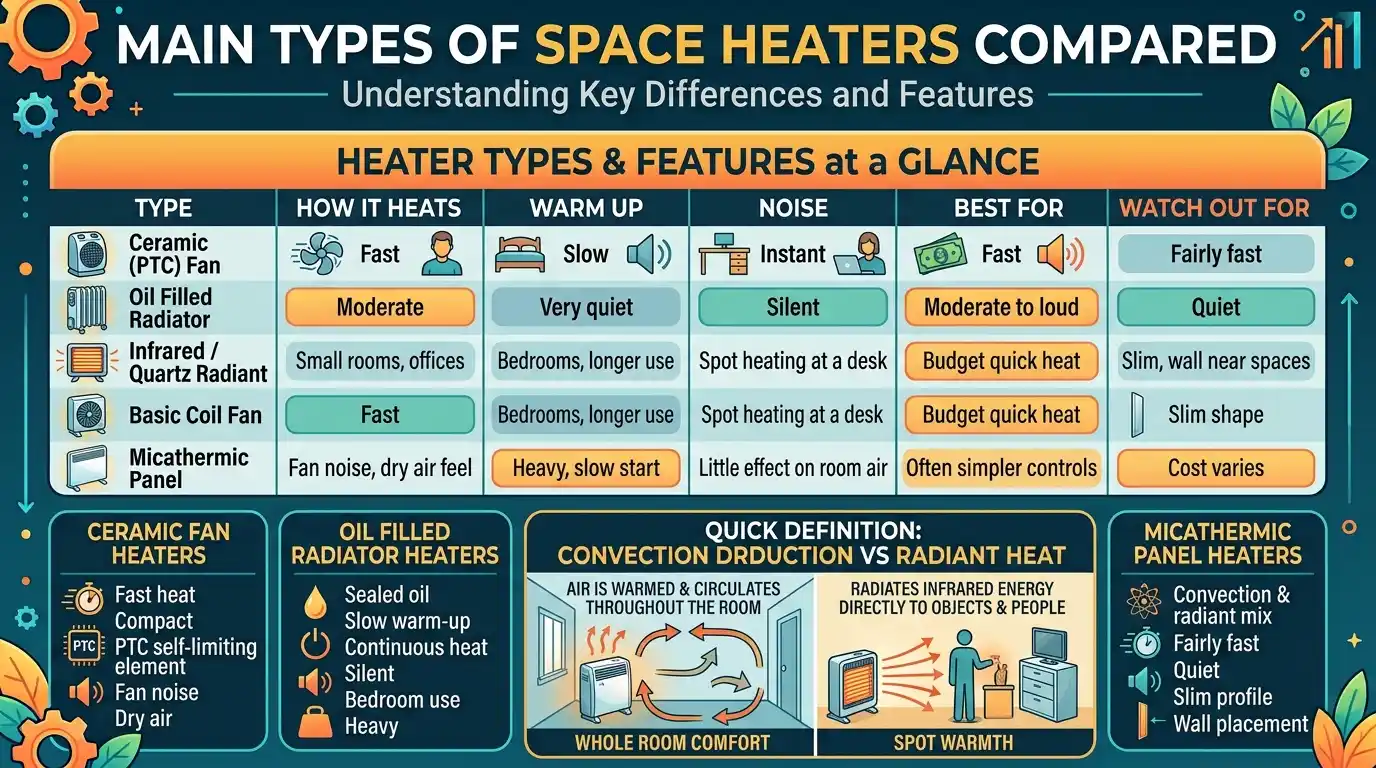
Here is how the common types stack up. If you are still deciding, this breakdown of which heater style fits your room and habits can help you narrow it down.
| Type | How it heats | Warm up | Noise | Best for | Watch out for |
|---|---|---|---|---|---|
| Ceramic (PTC) fan heater | Fan blows air over a hot ceramic element | Fast | Moderate | Small rooms, offices | Fan noise, dry air feel |
| Oil filled radiator | Sealed oil heats fins that warm the room | Slow | Very quiet | Bedrooms, longer use | Heavy, slow start |
| Infrared or quartz radiant | Warms people and objects directly | Instant | Silent | Spot heating at a desk | Little effect on room air |
| Basic coil fan heater | Fan over a metal coil | Fast | Moderate to loud | Budget quick heat | Often simpler controls |
| Micathermic panel | Mixes convection and radiant heat | Fairly fast | Quiet | Slim, wall near spaces | Cost varies |
Ceramic Fan Heaters
These warm up quickly and are compact. A PTC ceramic element self-limiting its temperature provides an additional level of inherent protection. The tradeoff is fan noise and air which can be as dry as it passes. Fan models also tend to run at full power whenever they are on, so it helps to know what a fan heater costs per hour, day, and month before you rely on one daily.
Oil Filled Radiator Heaters
Its oil content is closed and never burnt. It just retains heat, and this implies that the unit will warm gradually but continue to emit even when the thermostat has been turned off. They are used by many as bedrooms since they are silent and they heat up evenly.
To see what happens inside the sealed oil columns, or to learn the best settings for getting steady heat from a radiator model, check those guides.
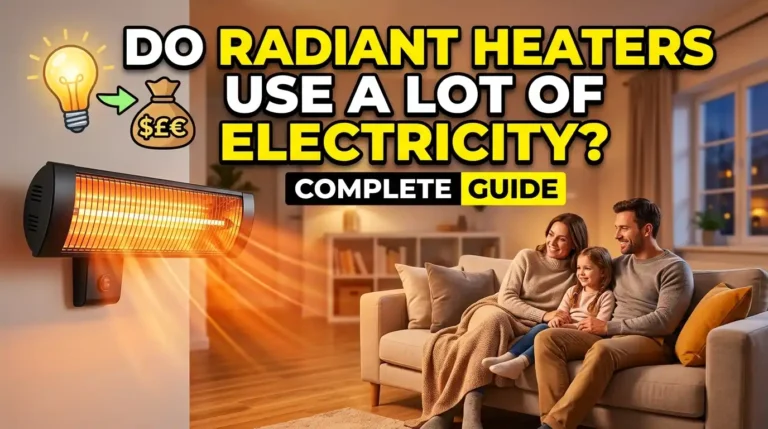
Infrared and Radiant Heaters
Radiant heaters do not heat the entire room; they heat what they aim at such as skin and furniture. They are comfortable on a table or a seat. They are not as effective in heating the entire air volume of a room.
Convection vs Radiant Heat: Quick Definition
The heating is by convection, and the air is warmed and circulates throughout the room. Radiant heating radiates infrared energy directly to objects and people. Whole room comfort is in convection. Radiant suits were aimed at warmth.
Do More Expensive Space Heaters Heat Better?
Not in raw output. An expensive heater of 1500W produces the same amount of heat as a cheaper heater. What you can obtain at a higher cost:
- A more accurate digital thermostat
- A distant, time, or programmable settings.
- Noisier fans or a superior house.
- Safety systems that are more complete.
- Better durability
Those extras have the ability to enhance comfort and minimize waste, but not wattage.
Safety Differences You Should Never Ignore
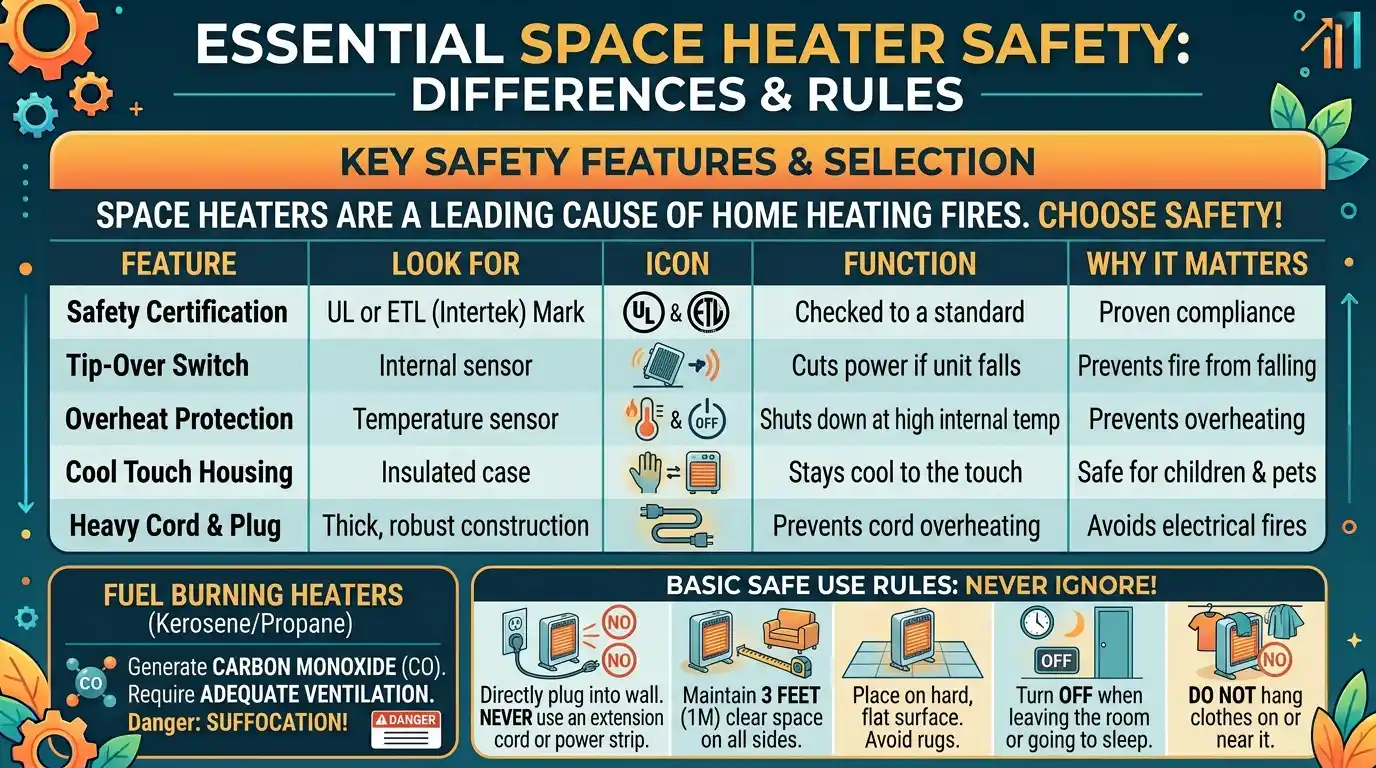
The difference in heaters is the most in safety and the most expensive can be the most inexpensive. According to the National Fire Protection Association, space heaters contribute a big portion of the home heating fires and the majority of deaths caused by heating fires, thus it is worth reviewing the recent statistics on the NFPA site.
Look for these features:
- Safety certification. An UL or ETL (Intertek) mark indicates that the heater was checked to a standard.
- Tip over switch. Cuts off when the unit falls.
- Overheat protection. Turns off the heater when the inside temperature becomes excessively high.
- Cool touch housing. Assists with children or pets.
- Heavy cord and plug. Thin cords have a tendency to overheat.
Basic safe use rules
- Directly plug into a wall outlet. Never use an extension cord or power strip.
- Keep at least three feet of clear space around the heater.
- Lay it on a hard, flat surface.
- Turn it off when you leave the room or go to sleep, unless the manufacturer says otherwise.
- Do not hang clothes on or near it.
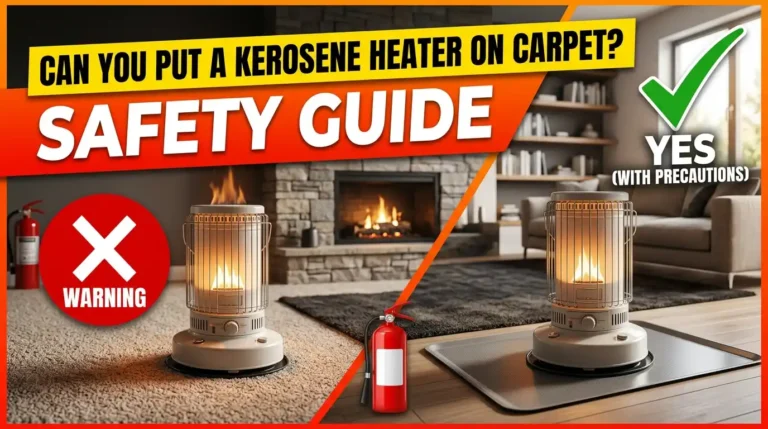
A Note on Fuel Burning Heaters
Another type is kerosene and propane heaters. They are capable of generating carbon monoxide and require adequate ventilation and most are not designed to be used indoors. This paper dwells on electric heaters.
How Much Does a Space Heater Cost to Run?
Same wattage means near identical energy use. The formula is simple:
Watts ÷ 1,000 × hours × your electricity rate = cost
Example at 16 cents per kWh (your rate may differ, so check your bill):
| Use | Energy | Approximate cost |
|---|---|---|
| 1 hour at 1500W | 1.5 kWh | $0.24 |
| 8 hours at 1500W | 12 kWh | $1.92 |
| 8 hours a day for 30 days | 360 kWh | $57.60 |
A thermostat will turn the heater on and off, so actual usage is usually less than these worst case figures. Warm up using the high setting and reduce to a lower setting, where available, with your heater.
Why Does One 1500W Heater Feel Stronger Than Another?
When they supply the same amount of heat, why do one feel better? A few reasons:
- Heat type. When you sit in front of a radiant heater, it feels warm. Convection heater is softer and fills the room.
- Airflow. A fan blows the heat in your direction.
- Room size and insulation. Heat is quickly removed by drafts and open doors.
- Placement. Heat that is nearer to you is more powerful than the heat that is farther away.
- Thermostat swings. The thermostat is a bad one and it switches off too soon or too late.
How to Choose the Right Space Heater
Follow these steps.
- Measure the room. One of the most popular guidelines is approximately 10 watts per square foot, and therefore 1500W is appropriate to approximately 150 square feet. Underinsulation requires additional.
- Select the heat style. Whole room, choose oil filled or ceramic. Individual cordiality, select brilliant.
- Review the safety list. Non negotiable are certification, tip over and overheat protection.
- Check the thermostat. Adjustable and accurate beats a basic dial.
- Think about noise. Quiet types are preferred in bedrooms and offices.
- Consider extras. A carry handle, remote, and timer are good, but not necessary.
Space Heater vs Heat Pump vs Central Heating
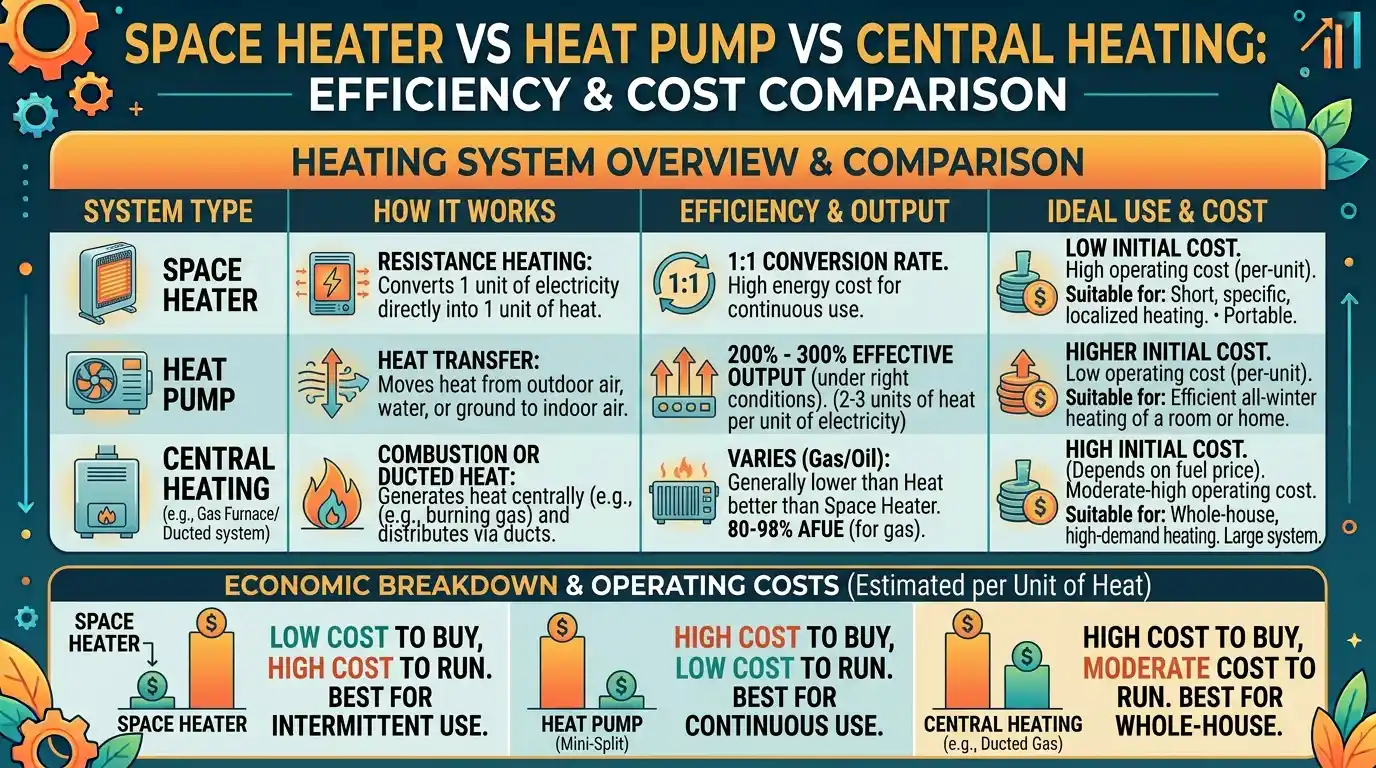
Resistance heaters convert a unit of electricity into a unit of heat. A heat pump does not generate heat, but rather transfers it, thus being able to provide two to three times the amount of heat per unit of electricity under the right conditions. Heat pump or mini split may be cheaper to operate if you heat a room throughout the winter.
Space heaters are victorious in the low initial cost and portability, which is suitable when there is a short, specific application.
Common Mistakes to Avoid
- Purchasing based on the wattage only and omitting safety marks.
- Having a heater that is either too small or too large to fit in the room.
- Leaving it unplanned all night.
- Sitting it close to curtains, beds or sofas.
- Heating an entire drafty house with one unit
FAQs
Do all space heaters work the same?
No. The output per watt is almost the same, but the heating, thermostat, noises, safety, and build quality are different.
Do all 1500W space heaters work the same?
They generate approximately equal amount of heat and consume approximately equal amount of electricity. Speed, comfort, noise and safety are different.
What kind of space heater is the least expensive to operate?
Electric resistance heaters of all the same wattage cost the same per hour. Thermostat control and heating only the occupied area leads to savings.
What is the quickest space heater to heat a room?
Heaters that are made of ceramic fans tend to be warmest. Radiant heaters are hot to touch when you sit in front of them.
Are oil filled heaters safer?
Most of them do not have an exposed hot element and maintain a lower surface temperature, however, they require certification and correct usage.
Which is better, a ceramic or an oil filled heater?
Both are not superior in general. Ceramic suits warm fast, oil filled suits silent, constant warmth.
What is the price of operating a space heater 8 hours?
A 1500W heater costs approximately $1.92 in 8 hours at full blast with a 1500W heater costing 16 cents per kWh.
Is it possible to leave a space heater on overnight?
Safety organizations recommend that you should switch off heaters when you go to sleep or leave the room. Take the instructions of the manufacturer.
Is it possible to use a space heater in a power strip?
No. Simply plug it in a wall socket.
What is the size of the space heater that I require?
One standard is 10 watts per square foot, or approximately 150 square feet in the case of 1500W.
Do infrared heaters really use less electricity?
No. They use the same power for the same wattage. They make them feel effective since they heat you up.
Does central heating cost less than a space heater?
It will only replace heating rooms that are not used. Whole home heat generally is more cost effective with central systems or heat pumps.
What is the safety certification of a heater?
Find a UL or ETL mark on the product.
Why does my heater turn off?
It can be turning to its thermostat level, or the overheat sensor can be going off because of obstructed airflow or dust.
Final Thoughts
Do all space heaters work? Yes, per watt of heat. On all that you really live with, no. Choose the style of heat that fits your use of the room, demand that it be properly certified, and prefer a good thermostat to a glittering array of features.
A space heater is a convenient and inexpensive method of keeping warm without having to heat the rooms that you are not using.