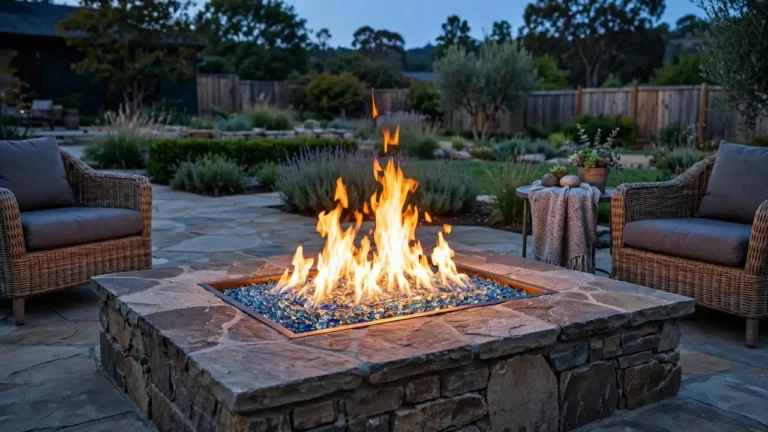
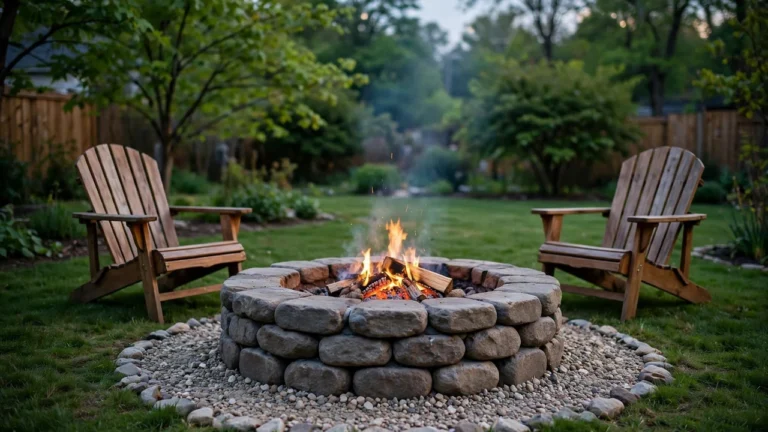
Do Fire Pits Actually Keep You Warm? How Much Heat They Really Give Off (and How to Stay Warm by One)
Yes, fire pits keep you warm, but only if you sit close. A fire pit warms people through radiant heat, which travels in a straight line from the flames and fades fast with distance. Sit within a few feet of a healthy fire, with your front facing the flames, and you will feel real warmth on a cool evening. Sit a chair or two farther back, or let the wind carry the heat away, and the same fire can leave you cold.
If you have ever huddled around a fire pit with a blanket on your lap and a chill down your back, you already know the pattern. The side facing the fire feels warm while the side facing away feels cold. That is radiant heat doing its work, and it explains almost everything about how to get the most warmth from a fire pit. This guide covers how that heat works, how far it reaches, which type of fire pit feels warmest, and the small changes that make a cold night by the fire feel warm.
⚠️ Heads Up: Fire Pits and Safety First
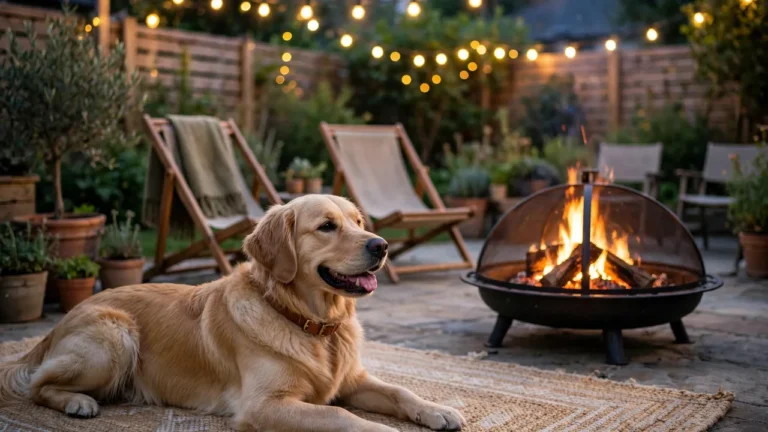
A fire pit is an open flame in your yard. Keep chairs, cushions, and loose clothing clear of the fire, and never leave a burning fire pit unattended. Children and pets need a clear boundary around the pit, and someone should always watch the fire while it burns.
Never use a fire pit indoors, in a garage, or under a low roof. Burning wood or gas in an enclosed space can build up carbon monoxide, a colorless and odorless gas that can be deadly. Check your local burn rules before you light up, since some towns ban open fires during dry or windy weather.
When the night ends, put the fire out fully. The U.S. Forest Service advises drowning a campfire with water, stirring the ashes, and drowning it again until everything is cold to the touch. The same care applies to a backyard fire pit. If you have dogs that like to sit near the fire, read our guide on whether fire pits are safe around dogs and pets before your next fire.
The Short Version
Short answer
Yes, within a few feet of the flames. Beyond that, the warmth drops off fast.
Best seat
Close, low, and facing the fire, with your back shielded from the wind.
Biggest warmth thief
Wind. It carries radiant heat and hot air away before it reaches you.
How Fire Pit Heat Actually Reaches You
A fire pit warms you in two ways, and one of them does almost all the work. The first is radiant heat. Flames and glowing coals give off infrared energy that travels in straight lines and warms whatever it hits: your skin, your clothes, the chair, the stones around the pit. The second is warm air rising from the fire. Hot air rises, so most of it goes straight up into the night sky instead of sideways toward your chair.
That split matters because it sets the rules for staying warm. Radiant heat weakens quickly as you move away from the source, so distance is the single biggest factor in how warm you feel. A fire pit does not warm the air around your patio the way a room heater warms a room. It warms the people and objects in its line of sight, and it warms them most on the side that faces the flames.
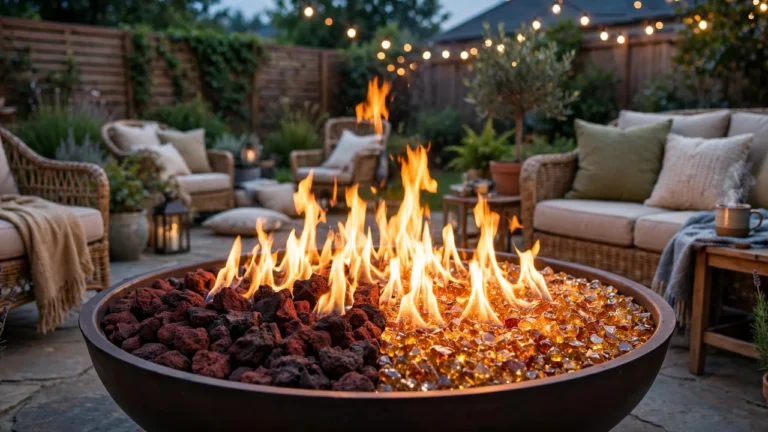
Think of a fire pit like a campfire with a ring around it. The light reaches far, but the heat does not follow the light. You can see the flames from across the yard, yet feel nothing until you pull your chair in close. The glow of the coals matters more than the height of the flames for warmth, since a deep bed of coals puts out steady radiant heat long after tall flames die down.
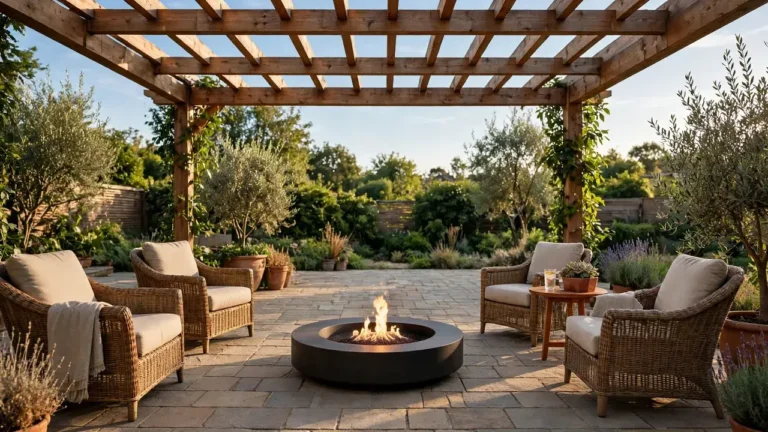
The pit itself shapes the heat, too. A wide, shallow bowl lets heat spread out in all directions at seated height, which is good for a circle of chairs. A tall, narrow fire pit sends more heat upward and less toward the people sitting around it. A fire pit with a solid wall around the fire can block some of the low radiant heat from reaching your legs, while an open bowl lets it through. None of this makes one design bad, but it explains why two fires of the same size can feel very different.
How Far Does the Warmth Reach?
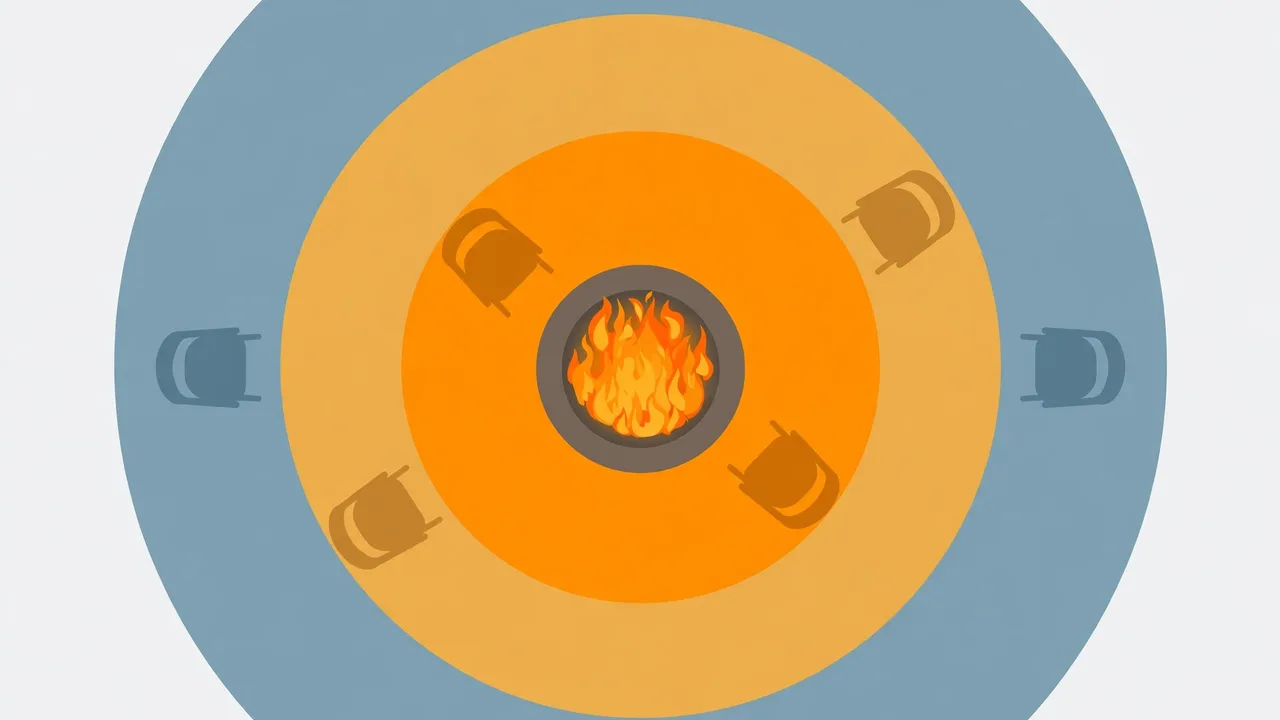
There is no single number for how far fire pit warmth reaches, because wind, fire size, and fuel change the answer every night. What stays the same is the pattern: warmth is strong close in, fades fast as you move back, and vanishes once you are out of the fire’s line of sight. The table below gives a plain-language picture of what to expect at different seating spots around a typical backyard fire.
| Where you sit | What you feel on a cool, calm evening | What helps |
|---|---|---|
| Right beside the pit | Strong warmth on the side facing the fire; you may need to shift or turn to stay comfortable. | A low chair, so the heat reaches your torso and legs. |
| One chair back | Pleasant warmth on your front; your back stays cool. This is the sweet spot for most people. | A blanket for your back and legs. |
| Two chairs back | A faint glow of warmth when the fire is large; little to none when the fire is small. | A windbreak and a bigger, well-fed fire. |
| Across the patio | You can see the fire and enjoy the light, but you will not feel its heat. | Move closer, or add a patio heater for that zone. |
| Behind a wall or screen | Almost no direct warmth, since radiant heat cannot pass through a solid barrier. | Sit where the fire has a clear line to you. |
This table describes general experience around a typical backyard fire pit, not measured lab data. Wind, fire size, fuel, and air temperature shift every row.
Notice what the table leaves out: exact feet and exact temperatures. No honest guide can give you those numbers, because no two backyard fires burn alike. A large wood fire on a still night throws heat farther than a small gas burner on a breezy one. Treat the zones above as a guide for where to put your chair, not as a promise.
One more thing shapes the reach of the warmth: the ground and the air around you. Cold stone, damp grass, and a cold breeze all pull heat away from your body, so the same fire feels warmer on a mild evening than on a damp, windy one. A fire pit warms people, not patios, and the patio itself stays cold. That is why a blanket, a windbreak, and a warm drink often do more for comfort than a bigger fire.
Wood vs Gas vs Smokeless: Which Fire Pit Feels Warmest?
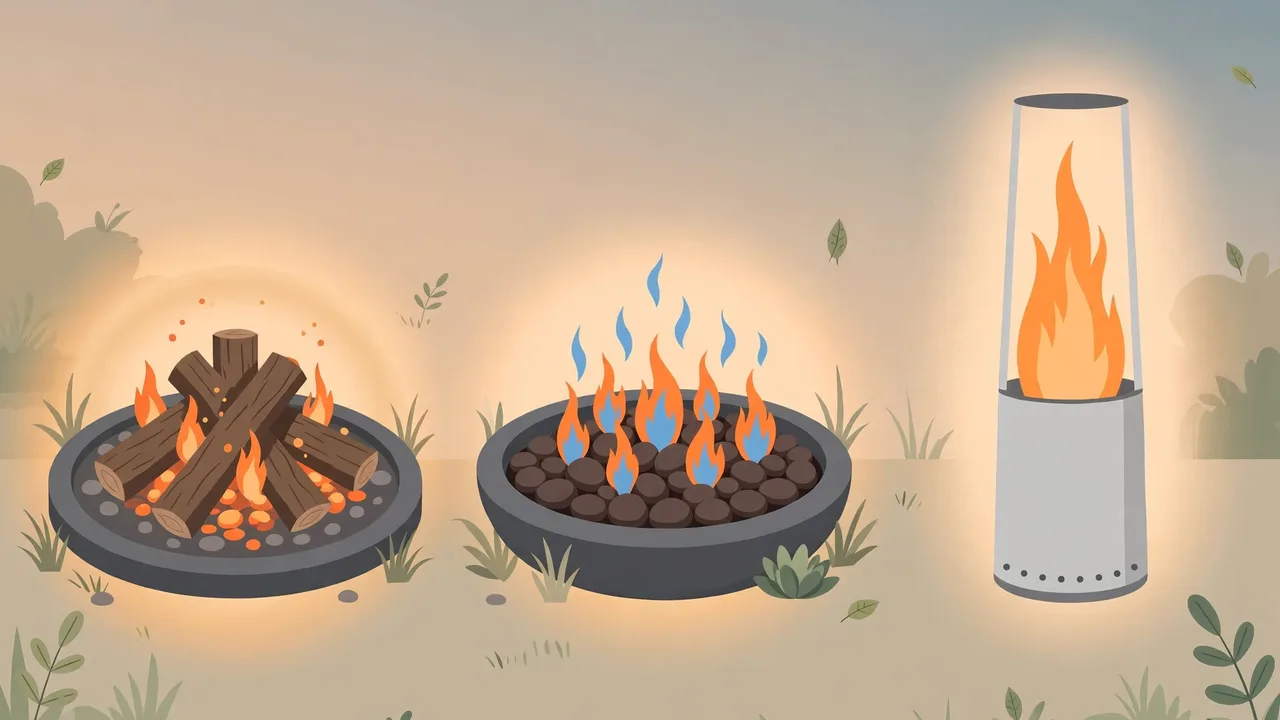
The type of fire pit you own changes how the heat feels, how steady it stays, and how much work it takes to keep it warm. All three common types can keep you warm. They do it in different ways, and each one has a trade-off worth knowing before you buy or light up.
Wood-Burning Fire Pits: The Warmest Feel, With the Most Work
A wood fire usually feels warmest, and the reason is the coal bed. Dry hardwood burns down into glowing coals that throw off steady radiant heat for a long time, even when the flames settle. A wood fire also gives you control: add a log, and the heat rises; let it burn down, and the heat fades. That control is the upside.
The downside is the work. A wood fire needs dry, seasoned wood, regular feeding, and attention to smoke and sparks. Wet or green wood burns cool, smokes heavily, and gives off far less heat than dry wood, so the warmth you feel depends on the wood you feed it. If you want to dig deeper into choosing between designs, our best type of fire pit buying guide walks through the options side by side.
Gas Fire Pits: Steady Heat, Less Effort, Less Punch
A gas fire pit lights with a switch and holds a steady flame without feeding, hauling wood, or cleaning ash. That steadiness is its main strength. On a mild evening, a gas fire pit keeps a small circle of chairs warm and comfortable, and it does so with almost no smoke.
What gas gives up is the coal bed. A gas burner has flames but no glowing coals, so its radiant heat is softer and more even, and it drops off faster with distance than a wood fire of similar size. Gas fire pits also have a fixed top output, so you cannot toss in another log when the night turns cold. You can turn the flame up, but the ceiling is set by the burner. For many patios, that ceiling is enough. For a cold, windy night, it may not be.
Smokeless Fire Pits: Clean Burn, Real Heat, Smaller Flame Picture
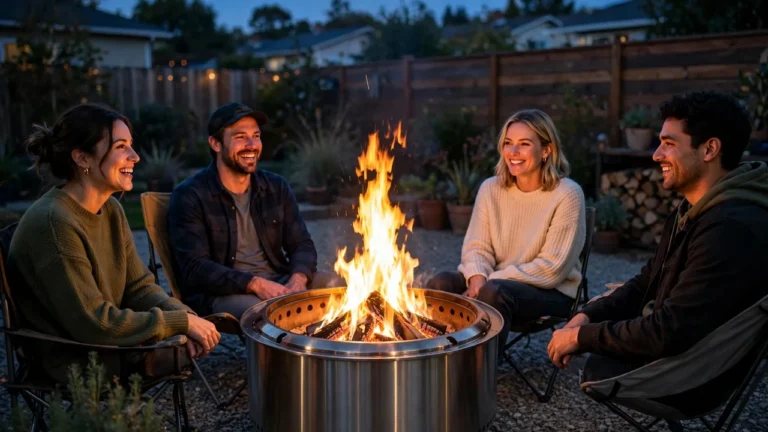
Smokeless fire pits burn wood with a second flow of hot air that reignites smoke before it leaves the pit. The result is a hot, clean burn with very little smoke and a bright flame. Because the fire burns hot, a smokeless pit can feel surprisingly warm for its size, and the lack of smoke means you can sit closer without your eyes watering.
The trade-off is the shape of the fire. Smokeless pits often have tall, narrow bodies that send a good share of heat upward, and the fire burns through wood faster than a standard pit. You feed it more often to hold the same warmth. If smoke has been your reason for sitting far from the fire, a smokeless design can pull you back into the warm zone. Our guide on whether smokeless fire pits are worth it covers the costs and trade-offs in full.
| Fire pit type | Warmth feel | Heat steadiness | Effort to keep warm |
|---|---|---|---|
| Wood-burning | Strongest close-in warmth, thanks to the coal bed. | Rises and falls as logs are added and burn down. | Highest: dry wood, feeding, ash cleanup. |
| Gas | Softer, even warmth; fades faster with distance. | Very steady at the level you set. | Lowest: switch on, adjust, switch off. |
| Smokeless wood | Hot, clean burn; strong warmth close in. | Hot while fed; cools fast between loads. | Medium: frequent feeding, little smoke. |
Warmth ratings are general guidance based on how each type burns. Actual heat output varies by model, size, and fuel.
What Steals the Warmth?
Most nights when a fire pit feels cold, the fire is not the problem. Something between the fire and your skin is taking the heat away. Once you know the thieves, you can block them one by one.
Wind
Wind is the biggest warmth thief of all. It pushes hot air away from you, cools your skin, and bends the flames sideways so the radiant heat misses your chair. Even a light breeze can cut the warmth you feel in half on a cool night. A strong wind can make a roaring fire feel like a candle.
Distance
Radiant heat fades fast with distance, so every extra foot between you and the fire costs you warmth. Chairs that look close in daylight often sit farther from the fire than they feel once the sun sets. Pulling your chair in by a foot or two can change the whole evening.
A Small or Starving Fire
A fire with one thin log and a few embers gives off far less heat than a full, well-fed fire. Gas burners turned low, damp wood, and a fire left to die down all produce the same result: pretty light, little warmth. A fire pit needs fuel to make heat, and it needs air to burn that fuel well.
Your Own Body Losing Heat
The fire warms your front while the night air cools your back, your legs, and the seat under you. Cold chairs, damp clothes, and bare legs all drain warmth faster than the fire can replace it. This is why two people at the same fire can feel very different: one in a warm coat with a blanket feels cozy, while one in a thin shirt shivers.
Wet or Unseasoned Wood
Wet wood spends its energy boiling off water instead of making heat. The fire hisses, smokes, and stays cool, and the coals never build up. Dry, seasoned wood is the single biggest upgrade for a wood fire pit, and it costs nothing but time and dry storage.
How to Stay Warm by a Fire Pit
You do not need a bigger fire pit to feel warmer. Most of the time, you need a better seat, a windbreak, and a fire that is fed well. The five moves below cover the fixes that make the largest difference, in the order most people should try them.
Sit Close and Sit Low
Pull your chair into the warm zone, close enough that you feel the heat on your face and hands. Low chairs help, because radiant heat from a fire pit travels outward at seated height and reaches your torso and legs before it rises. Adirondack chairs and low lounge chairs work well for this reason. If you are not sure how close to sit, start a little farther back and move in until the warmth feels right, keeping a safe gap from the flames and sparks. If your pit feels small for your group, our guide on what size fire pit you need can help you match the pit to your seating circle.
Block the Wind
Put something solid between the wind and your seating area: a fence, a hedge, a low wall, or a portable wind screen. Even a partial windbreak helps, because it slows the air that strips heat from your skin and bends the flames away. Set the windbreak on the windward side, the side the wind comes from, and leave space for air to feed the fire. Never fully enclose a fire pit; the fire needs fresh air, and you need a clear path away from it.
Dress for Radiant Heat, Not for a Warm Room
Dress in layers, with a warm layer on your back and legs, since the fire only warms the side that faces it. A blanket over your lap and shoulders does more than a heavier coat, because it traps the warmth the fire gives you. Warm socks and closed shoes matter, too, since cold feet make the whole body feel cold. Keep blankets and loose sleeves clear of the flames and sparks.
Feed the Fire and Mind the Coals
Build the fire up before people sit down, so a deep coal bed is already glowing when the evening starts. Add dry logs before the fire burns low, not after, and give each new log air to catch. A bed of coals is the real heater, so protect it: do not let the fire die to ash and then try to warm up from a fresh flame. If your fire keeps dying down, our guide on how to keep a fire going in a fire pit covers the habits that hold a steady burn.
Warm the Seat and the Space Around You
A cold stone seat or a damp cushion pulls heat from your body all evening. Toss a blanket over the chair before you sit, or use a cushion that has been kept dry indoors. A rug under the seating area helps, too, since it insulates your feet from cold stone or damp ground. Small comforts like warm drinks and hand warmers add up, because a warm core makes the fire’s heat go further.
💡 Pro Tip: Turn Every So Often
Radiant heat only warms the side facing the fire, so your back cools while your front warms. Turn your chair or shift your seat every few minutes to even out the warmth. It sounds small, but it is the oldest trick for sitting by a fire, and it works.
Fire Pit or Patio Heater: Which Warms You More?
A fire pit and a patio heater solve different problems. A patio heater warms a wider area more evenly, because it pushes warm air down and out around a taller column, and it keeps working in wind that would scatter a fire’s heat. If your goal is to warm a whole patio so people can sit anywhere, a patio heater usually wins.
A fire pit wins on a different measure: the feeling of warmth up close. Sitting beside a real fire, with glowing coals and flames in view, feels warmer and more inviting than the same amount of heat from a metal column. The fire also gathers people into a circle, while a patio heater lets them spread out. For a small group on a calm evening, the fire pit is the better seat. For a larger group spread across a patio on a breezy night, the patio heater covers more chairs.
Many households use both: the fire pit as the gathering spot, and a patio heater for the chairs outside the fire’s warm zone. If you are weighing the choice, our head-to-head on fire pit vs patio heater: which heats better breaks down the differences in full.
Mistakes That Leave You Cold
A few common habits make a fire pit feel colder than it should. Fix these first before you blame the pit.
- Sitting too far back. Chairs drift outward as the night goes on. Pull them back in and the warmth returns.
- Burning wet wood. Damp logs smoke, hiss, and give off little heat. Burn dry, seasoned wood only.
- Letting the fire die to ash. A thin bed of ash holds little heat. Feed the fire before it burns low, so the coals stay deep.
- Facing the wind. Sitting on the windward side puts the wind between you and the fire. Sit with the wind at your back, or set up a windbreak.
- Skipping the blanket. The fire warms your front, not your back. A blanket closes that gap.
- Expecting the pit to heat the patio. A fire pit warms people in its line of sight, not the air of the whole yard. Sit in the warm zone or add a second heat source.
Frequently Asked Questions
Do fire pits actually keep you warm in winter?
Yes, within a few feet of the flames on a calm night. In deep cold or strong wind, a fire pit alone may not keep you warm, and you will want layers, a blanket, a windbreak, and possibly a patio heater for the seats outside the warm zone.
How close should you sit to a fire pit to feel warm?
Close enough to feel steady warmth on your face and hands, usually within a few feet, in a low chair facing the fire. Keep a safe gap from the flames and sparks, and keep children and pets farther back behind a clear boundary.
Do gas fire pits keep you as warm as wood fire pits?
Gas fire pits give steady, even warmth with almost no smoke, but they usually feel less warm up close than a wood fire, because they have flames without a glowing coal bed. Gas works well for mild evenings and small groups; wood wins for the strongest close-in warmth.
Do smokeless fire pits give off good heat?
Yes. Smokeless fire pits burn wood hot and clean, so they can feel very warm for their size, and the lack of smoke lets you sit closer. They burn through wood faster than a standard pit, so you need to feed them more often to hold the same warmth.
Can a fire pit heat a whole patio?
No. A fire pit warms the people sitting close to it in its line of sight. It does not warm the air across a patio the way an indoor heater warms a room. For a larger area, add a patio heater or move seats into the fire’s warm zone.
Why does my back feel cold by the fire pit?
Radiant heat only warms the side of your body that faces the flames. Your back faces the cool night air, so it loses heat while your front gains it. A blanket, a warm layer, a windbreak, and turning your chair every few minutes all help even out the warmth.
Quick Reference: Staying Warm by a Fire Pit
The answer: Yes, fire pits keep you warm within a few feet of the flames, through radiant heat.
Warmest fuel: Dry wood with a deep coal bed. Gas is steadiest. Smokeless wood burns hot and clean.
Best seat: Close, low, facing the fire, with your back shielded from the wind.
Warmth checklist: Dry wood or gas on high · deep coal bed · windbreak on the windward side · blanket for your back · turn every few minutes · warm drink in hand.
Safety: Never use a fire pit indoors. Never leave a fire unattended. Drown, stir, and drown again until cold to the touch.
Final Thoughts
Fire pits do keep you warm, and the honest answer has always been about distance. Sit close, shield the wind, feed the fire well, and a fire pit turns a cool evening into a warm one. Sit far back on a breezy night, and the same fire will leave you cold.
The good news is that warmth is mostly a matter of setup, not spending. A low chair, a blanket, a windbreak, and dry wood will do more for your comfort than a bigger pit. Try those moves at your next fire, and see how the evening feels.
When you find your warm spot, settle in and enjoy it. That circle of light and heat is what a fire pit is for.
Sources: U.S. Forest Service campfire safety guidance (fs.usda.gov) — never leave a fire unattended; drown, stir, drown again until cold to the touch.