What Is the Best Type of Fire Pit? A Complete Buying Guide
Shopping for the best type of fire pit feels harder than it should. Every box promises the coziest backyard on the block, but wood, propane, natural gas, smokeless, and gel fuel all behave very differently once they are lit. Pick the wrong fuel and you get smoke in your eyes, a tank that runs dry mid-party, or a permanent pit you can never move.
By the end of this guide you will know which fire pit type fits your yard, your schedule, and your local rules. You will also know what to check on the box before you pay. No brand hype and no invented specs — only the trade-offs that actually matter.
Some towns and HOAs ban wood burning outright, so check your local rules before buying anything. The U.S. Fire Administration advises keeping fire pits at least 10 feet from your home or anything that can burn. Never leave any fire unattended, never burn treated or painted wood, and use gas and gel models outdoors only — burning fuel in a garage or enclosed space can cause carbon monoxide poisoning.
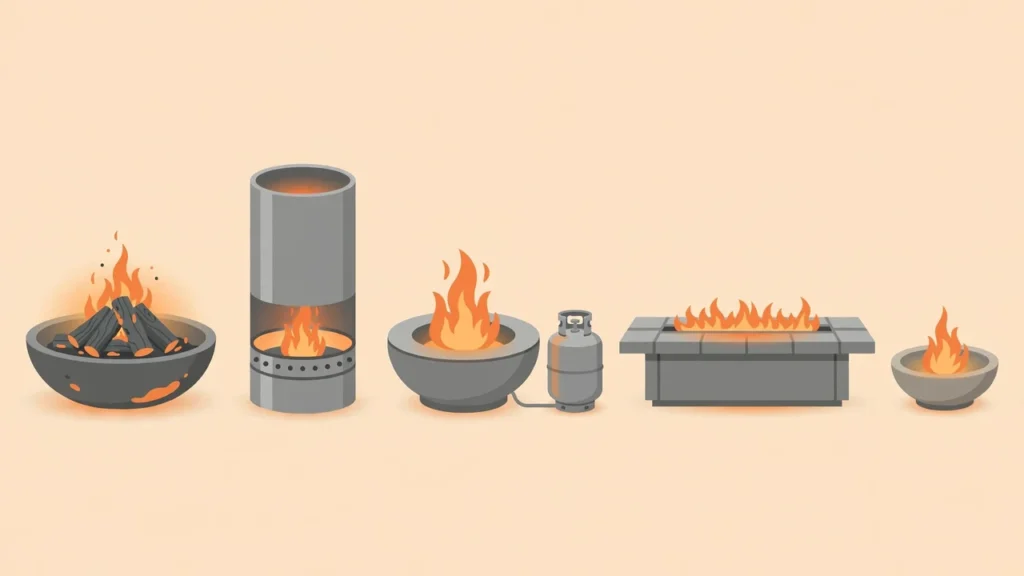
Wood-burning fire pits: the classic campfire
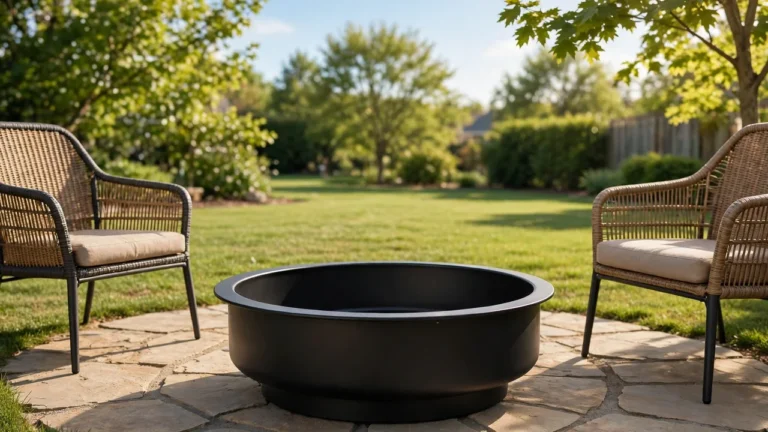
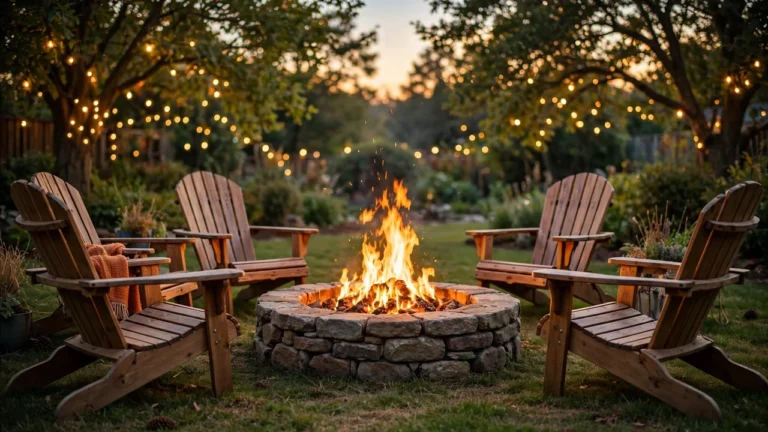
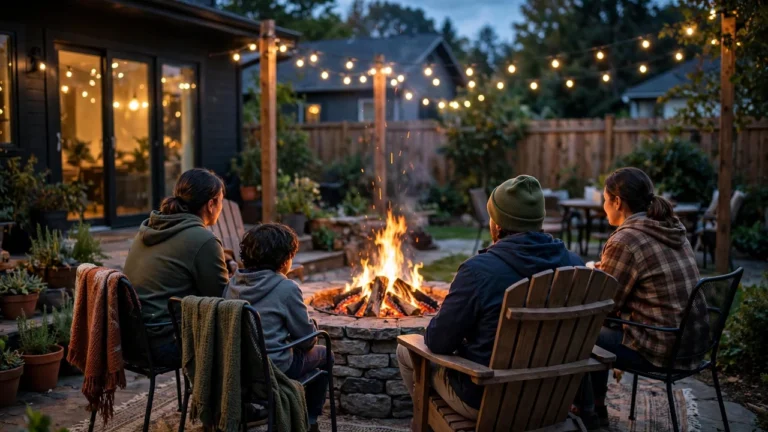
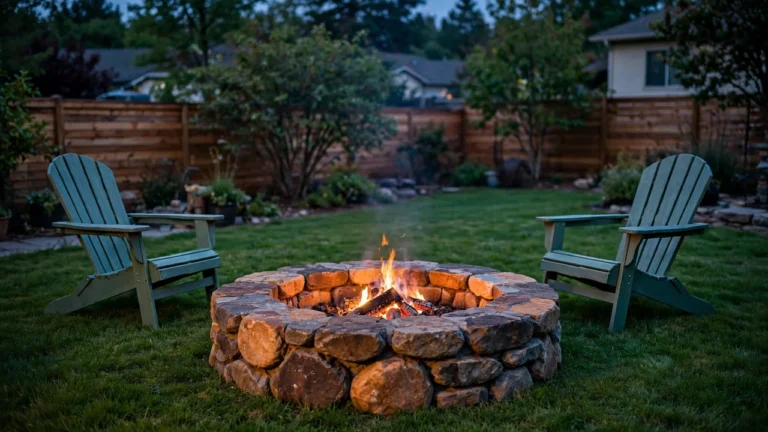
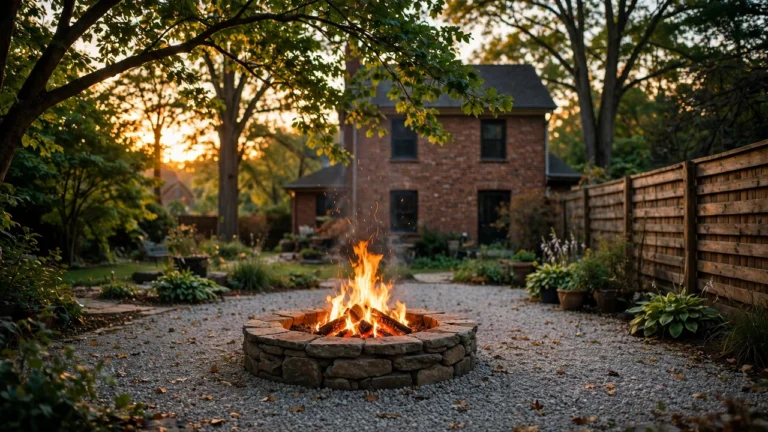
A wood-burning pit is the closest thing to a real campfire in your backyard. It gives the crackling sound, the wood smell, and the strongest radiant heat of any fire pit type. Most buyers choose a portable steel bowl, a ring, or a permanent stone or brick pit.
The trade-offs are honest work. You will buy or gather firewood, store it dry, light the fire by hand, and shovel out ash when it cools. Wood smoke and sparks come with the territory, and some cities restrict or ban wood burning during air-quality alerts or burn bans.
Wood makes sense if you have an open yard, access to seasoned hardwood, and no smoke-sensitive neighbors close by. If you plan to build something permanent, see our guide to building a permanent wood-burning fire pit. Prefer an open bowl? Our fire pit vs chiminea comparison walks through the other classic option.
Propane fire pits: push-button convenience
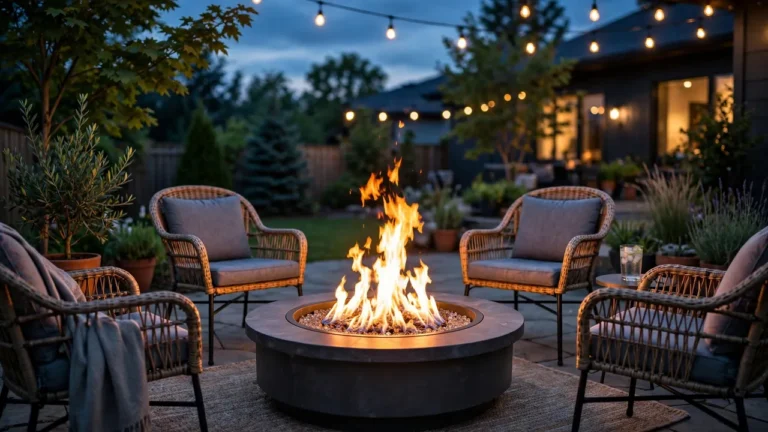
Propane pits light with a knob or an electronic ignition and shut off the same way. There is no smoke, no sparks, no ash, and you control the flame height. Most portable models run on the same 20-pound propane tanks used for gas grills.
You will swap or refill the tank, and you need a safe spot to store a spare. Propane also keeps working through most burn bans, since many wood-burning restrictions do not apply to gas flames. If running costs worry you, read how long a propane tank lasts on a fire pit before you decide.
Choose propane if you want fires on weeknights without a project. It suits renters, small patios, and anyone who would rather press a button than build a fire lay.
Natural gas fire pits: the permanent gathering spot
A natural gas pit connects to your home’s gas line, so fuel never runs out and there are no tanks to store or refill. Flames are clean, adjustable, and instant. This is the type you see built into high-end patios and outdoor kitchens.
The catch is the installation. A licensed professional has to run the gas line, and many areas require a permit for that work. Once it is in, the pit does not move — so plan your patio layout first.
Natural gas fits homeowners who entertain often and want a fire feature that is always ready. If that sounds like you, get quotes from a licensed gas fitter before you buy the pit itself.
Smokeless fire pits: wood fire without the smoke bath
Smokeless pits are wood-burning pits with a double-wall design. Air flows up between the walls and feeds a second burn of the smoke and gases, which cuts visible smoke dramatically. You still get real wood flames and strong heat.
They are not magic. Burn wet wood or overload the pit and it will smoke like any other. Use only dry, seasoned hardwood, load it as the manual shows, and expect a small amount of smoke at startup.
Pick smokeless if you love wood fires but sit close to neighbors or hate smelling like a bonfire. They cost more than a basic steel bowl, but the difference on a calm evening is real.
Gel fuel fire pits: flame as decor
Gel fuel pits are usually small tabletop bowls. You drop in a can of gel, light it, and get a clean, odorless flame with no smoke or ash. Each canister burns for a few hours, then you replace it.
Heat output is low — this is ambiance, not a heater. Canister costs add up if you burn them nightly, and single-use cans create waste. Bio-ethanol burners are a close cousin with the same clean flame and the same limits.
Gel fuel suits balconies, small patios, and renters who cannot have a real fire feature. If you need actual warmth, step up to propane instead.
Fire pit types compared
| Type | Heat | Smoke | Upkeep | Portability |
|---|---|---|---|---|
| Wood-burning | Highest radiant heat | Heavy smoke and wood smell | Ash cleanup, wood storage | Bowls move easily; stone pits are fixed |
| Smokeless (wood) | High heat | Much less smoke when loaded right | Ash cleanup; needs dry hardwood | Portable |
| Propane | Moderate, adjustable | None | Tank swaps, occasional wipe-down | Very portable |
| Natural gas | Moderate, adjustable | None | Very little | Fixed in place |
| Gel fuel | Low — ambiance only | None | Swap canisters | Very portable |
Answer these 5 questions before you buy
The specs matter less than your situation. Work through these five questions and the right type usually picks itself.
1. Is wood burning allowed where you live? Some cities, counties, and HOAs restrict or ban wood fires, at least during certain months. Check whether backyard fire pits are legal where you live before you fall in love with a wood model. If wood is off the table, gas is your answer.
2. Do you have a natural gas line nearby? If a line already runs to your patio, natural gas becomes much more attractive. If not, weigh the cost of a professional install against years of propane refills.
3. How often will you actually light it? Nightly users get more value from the convenience of gas. Occasional weekend users often prefer the ritual (and lower running fuss) of wood.
4. Can you store the fuel? Wood needs a dry rack or shed. Propane needs an upright, ventilated outdoor spot away from the house. If you have neither, that points toward natural gas or gel.
5. How much smoke will your neighbors tolerate? In tight suburbs, a smokeless pit or a gas model keeps the peace. On acreage, a classic wood pit is no problem at all.

What to check on the box before you pay
Steel thickness decides lifespan. Thin, lightweight bowls can warp or rust through after a few seasons of heat cycles, while heavier-gauge steel holds up for years. You do not need an engineering degree — the heft of the pit tells you plenty.
For wood pits, check for a spark screen, drainage holes, and a fitted cover. For gas models, look for CSA or ETL certification, a reliable ignition, and a burner that sits deep enough that wind cannot blow the flame out.
Match the size to your seating. A pit that is too small looks lost on a big patio; one that is too large pushes chairs uncomfortably far back. Also check the warranty and whether replacement parts (screens, burners, covers) are sold separately.
Safety rules for every fire pit type
Every fuel type deserves the same respect. The U.S. Fire Administration advises placing fire pits at least 10 feet from your home or anything that can burn, using a metal screen over wood-burning fires, and putting fires fully out before you leave the backyard. Note that NFPA 1 treats open recreational fires more strictly — 25 feet from structures — so follow whichever rule your local code enforces.
Set the pit on a level, non-combustible surface like stone or concrete, never on a wooden deck or dry grass. Keep a hose, a bucket of water, or a fire extinguisher within reach, and skip fire nights when winds are gusty.
Hot coals can stay dangerous for hours and have caused serious burns a full day later — douse wood fires with water, stir the ashes, and repeat until everything is cool to the touch. The U.S. Consumer Product Safety Commission reported more than 5,300 fire pit and outdoor heater injuries treated in emergency rooms in 2017. Keep children and pets outside a clear boundary around the pit, and never use lighter fluid or gasoline to start or revive a fire. If anything feels beyond your skill level — especially gas line work — call a licensed professional.
Burn only dry, untreated wood or fuel rated for your model. Treated lumber, painted wood, plywood, and household trash release toxic fumes and are illegal to burn in many areas. When you are ready to light your first fire, follow our guide on how to start a fire in a fire pit. For more safety detail, the U.S. Fire Administration’s outdoor fire safety page is worth a bookmark.
Frequently asked questions
Which type of fire pit is safest?
Gas models (propane and natural gas) are the safest in normal use: no flying embers, no ash, and an instant shutoff. Every type still needs supervision, safe clearance, and full extinguishing before you walk away.
Do wood or gas fire pits give off more heat?
Wood-burning pits give the strongest radiant heat and the widest warmth zone. Gas pits give steadier, adjustable heat that is easier to control but less intense at full blast.
Are smokeless fire pits really smokeless?
They greatly reduce smoke thanks to their double-wall reburn design, but no wood pit is literally smoke-free. Dry, seasoned hardwood and correct loading make the biggest difference; wet wood will smoke in any pit.
Can I put a fire pit on a wooden deck?
Never put a wood-burning pit on a wooden deck. A gas model may be allowed only if it is rated for deck use, sits on an approved protective pad, and your local code permits it — check both the manual and your local rules first.
How far should a fire pit be from my house?
The U.S. Fire Administration advises at least 10 feet from your home or anything that can burn. NFPA 1 requires 25 feet for open recreational fires. Follow the stricter of your local code and the manufacturer’s instructions, and keep more distance on windy sites.
Do I need a permit for a gas fire pit?
Portable propane pits usually do not need a permit, but running a natural gas line almost always requires a licensed professional and, in many areas, a permit. Check with your local building department before any gas line work begins.
- Campfire ritual + wood storage → wood-burning
- Instant flames, no cleanup → propane
- Permanent patio, gas line nearby → natural gas
- Wood fire, minimal smoke → smokeless
- Tabletop ambiance, small space → gel fuel
- Check local burn rules before buying
- Keep 10+ feet from house and combustibles
- Never leave a fire unattended
- Burn only dry, untreated wood or rated fuel
- Gas line work = licensed professional + permit check
The best type of fire pit is the one that fits your life, not the one with the flashiest box. Answer the five questions above honestly, check your local rules, and buy the fuel type you will actually enjoy using.
Your next step: once the pit is home, read how to start a fire in a fire pit so your first burn goes smoothly and safely. See you out back.