Fire Pit vs Chiminea: Which Is Better for Your Backyard?
You are standing in the garden center, or scrolling late at night, staring at two very different backyard fires. On one side, a wide open bowl with flames you can see from every chair. On the other, a tall clay pot-belly with a chimney, glowing from a single arched mouth. Both promise warm evenings outside. Both burn wood. But once lit, they behave like completely different animals.
The fire pit vs chiminea question comes down to what you want those evenings to feel like. A fire pit throws heat in every direction and pulls a crowd into a circle around it. A chiminea pushes its warmth forward, sends smoke up its chimney, and suits a quiet corner for two. Choose wrong and you spend the summer dodging smoke, or your Saturday crowd huddles around a fire too small to matter.
This guide lays out the real differences — heat, smoke, safety, fuel, upkeep, and cost — so you choose once and choose right.
Safety note: both are real open flames. Use them only outdoors, on stable non-flammable ground, well clear of the house, trees, and fences. Never use either indoors or in a garage — carbon monoxide can kill. Check local burn bans and your product manual’s clearance distances before you light up.
What a Fire Pit Actually Is
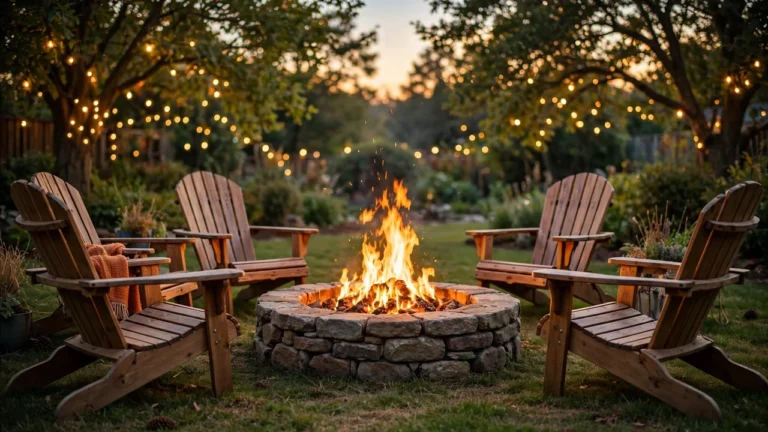
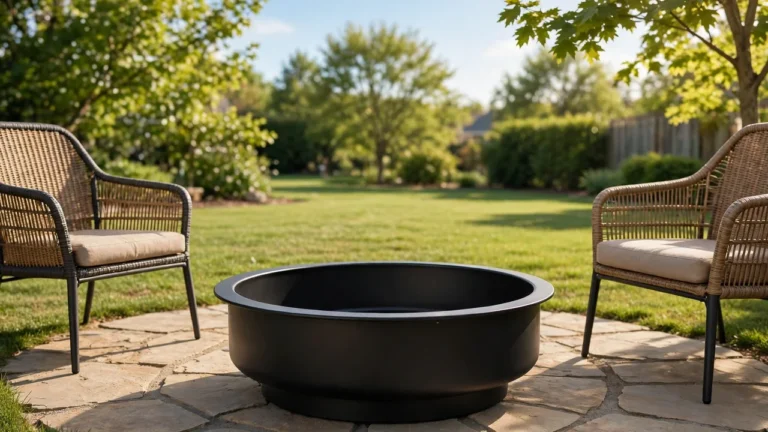
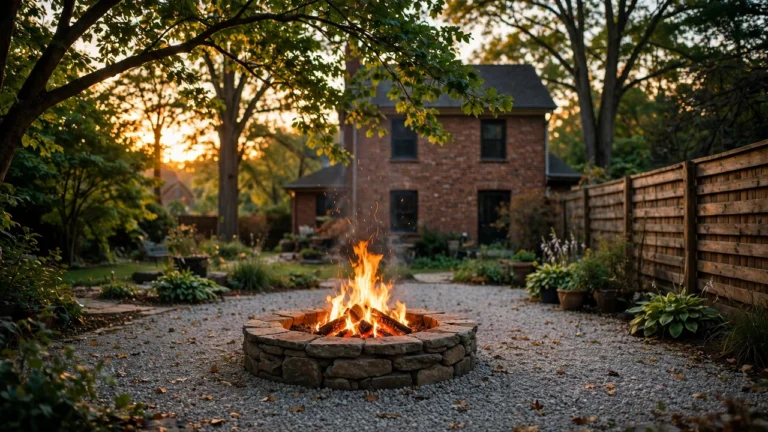
A fire pit is an open bowl or basin — steel, cast iron, copper, or stone — that holds a wood fire out in the open air. Some sit on legs, some are built into the ground, and gas or propane versions exist, but this guide compares classic wood-burning models.
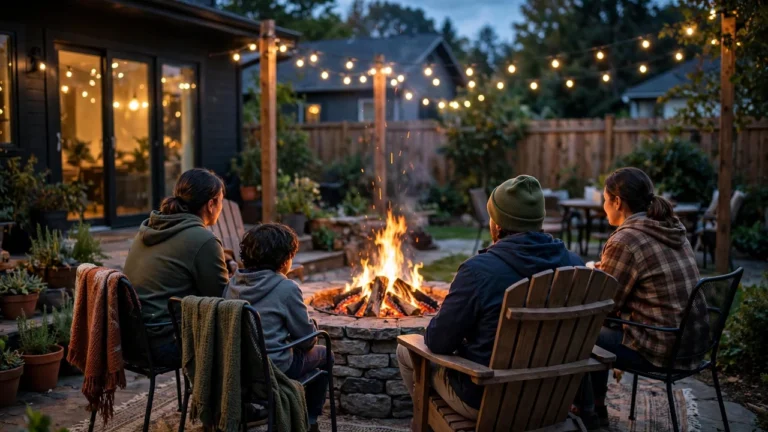
Everything about a fire pit is visible. You see the flames from all sides, you feel the heat radiating outward in a full circle, and you feed new logs in from the top. That openness is its greatest strength and its main drawback: wonderful to gather around, but smoke goes wherever the wind decides, and sparks can travel.
What a Chiminea Actually Is
A chiminea is a freestanding outdoor fireplace shaped like a bulbous pot with a tall chimney stack. The fire burns inside a rounded chamber; you load wood through a front opening, and smoke rises out through the stack. The design originated in Mexico, where traditional models were made of clay.
Today you will find clay, cast iron, and steel chimineas. The fire is enclosed on all sides but the front, so heat pours out of the mouth toward whoever sits facing it, while the chimney carries smoke up and away. The body itself gets very hot and radiates warmth even after the flames die down — but anyone sitting to the side feels far less heat than someone in front.
Fire Pit vs Chiminea: Side-by-Side Comparison
| Feature | 🔥 Fire Pit | 🏺 Chiminea |
|---|---|---|
| Heat direction | Radiates 360° — everyone around it feels warm | Mostly out the front opening; weak at the sides |
| Heat output | Higher — add more wood, get more heat | Moderate — limited fire size; body stores and re-radiates heat |
| Smoke | Drifts with the wind — expect the chair-shuffle | Chimney draws smoke up and away — much less in faces |
| Safety | Open flame and sparks; spark screen strongly advised | Enclosed fire, fewer escaping embers — but the body gets extremely hot |
| Space needed | More — needs wide clearance all around | Less — suits small patios and corners |
| Log size | Takes large logs, easy to keep feeding | Needs small splits to fit the mouth |
| Cooking | Excellent — grates, tripods, whole-crowd marshmallows | Limited — small items only through the opening |
| Portability | Usually lighter, easier to move | Clay models are heavy and awkward; metal is easier |
| Maintenance | Scoop ash, cover when idle, watch for rust | Clay needs sealing and winter shelter; iron needs rust care |
| Entry cost | Lower — basic steel bowls are budget-friendly | Higher — especially cast iron; clay sits in the middle |
Heat and Warmth: Who Actually Keeps You Warmer?
The fire pit wins on raw warmth, and it is not close. An open fire radiates heat in every direction, so six chairs in a circle all feel it. When the night turns colder, you toss on more wood and the heat climbs with the flames. For a crowd on a chilly evening, nothing in this matchup competes.
The chiminea plays a different game. Its heat exits through the front opening, so two or three chairs parked facing the mouth stay comfortable while anyone off to the side feels little. It also takes longer to reach full warmth because the restricted airflow slows the fire’s start. The payoff comes later: a clay or cast-iron body soaks up heat and keeps radiating it gently long after the flames shrink — a slower, longer warmth rather than a blast.
Bottom line: heating a group on a cold night calls for a fire pit. Warming one or two people in close chairs is a fair fight, and the chiminea’s lingering radiant heat is genuinely pleasant.
Smoke Control: The Chiminea’s Clear Win
This is where the chimney earns its keep. A chiminea’s stack acts like a flue, pulling smoke upward and releasing it well above head height. Even in a light breeze, the seating area stays noticeably clearer — a real advantage if neighbors sit close or anyone in your group hates smoky clothes and hair.
A fire pit has no such help. Smoke rises off an open fire and the wind takes it where it pleases, which is how every fire-pit evening turns into the familiar dance of everyone shifting chairs each time the breeze turns. Smokeless fire pit designs — double walls that reburn the smoke — cut this problem down a lot, but a basic open bowl will always be at the wind’s mercy.
Whichever you choose, burn only dry, seasoned wood. Wet wood smokes heavily in a fire pit and a chiminea — fuel dryness matters more than design. Our guide to the best firewood to burn ranks the species that give the cleanest fires.
Safety: Open Flame vs Enclosed Fire
Chimineas are generally considered the safer of the two. The fire sits inside a chamber with one modest opening, so embers rarely escape and a log cannot roll out onto the patio. That enclosure makes them the friendlier pick for households with curious kids or pets — with one catch: the body gets extremely hot, and unlike an open flame, that danger is not obvious to a small hand reaching out.
Fire pits put the whole flame on display, which makes the danger easy to respect — but open sparks, wind-blown embers, and shifting logs are real. A spark screen is cheap insurance and worth using every time, especially on breezy nights. Keep children and pets at a clear distance from either one, and never leave any fire unattended.
Both need the same foundation rules: a stable, level, non-flammable surface (stone, brick, or concrete — never directly on a wood deck without a proper heat-rated pad), generous clearance from the house, fences, trees, and anything flammable, and full extinguishing when the evening ends — drown, stir, and feel for heat.
- Never indoors or in a garage. Both produce carbon monoxide, which is odorless and deadly. Open sky only.
- Never under a low roof or covered patio. Heat and sparks need open air above them — follow your product manual’s clearance distances.
- Check burn bans first. Dry spells and fire season can make any open flame illegal where you live.
Fuel, Logs, and Everyday Use
Chimineas are picky about log size. Wood must fit through the front mouth, which means splitting your fuel down to small pieces — an extra chore if you buy standard-cut firewood. Fire pits accept whatever you throw in, including big logs, and you can keep feeding the fire all evening without thinking about it.
Both burn best on the same fuel: dry, seasoned hardwood. Expect to pay for decent wood — check what a cord of firewood costs near you before budgeting for a season of fires. If you are weighing gas instead of wood for convenience, see what propane patio heaters cost and our propane heater safety tips for the full picture.
For cooking, the fire pit runs away with it: grill grates, tripods, and rotisseries turn it into an outdoor kitchen, and a ring of marshmallow-roasting kids is the whole point for many families. A chiminea can warm a pot or toast the odd marshmallow through its mouth, but the opening limits what fits.
Ash cleanup favors the fire pit too — an open bowl is easy to shovel out. A chiminea’s chamber is harder to reach into, so ash tends to accumulate until you make a point of clearing it.
Materials and Upkeep: What You Are Signing Up For
Clay chimineas look the most traditional, but clay is porous and brittle. Seal the outside regularly with a breathable sealer, keep rain off it with a cover, and store it under shelter through winter — freeze-thaw cycles destroy unprotected clay. Never light a roaring fire in a cold clay chiminea: sudden heat can crack it through thermal shock. Start with a small fire and build up as the body warms.
Put a few inches of sand or lava rock in the bottom of a clay chiminea before the first fire. It insulates the clay from direct flame contact and noticeably extends the unit’s life.
Cast-iron chimineas are the tanks of the category: tough, heavy, and long-lived, but iron rusts. Keep one covered when idle and touch up chips with heat-resistant paint. Steel chimineas and fire pits are lighter and more modern-looking; check the metal gauge — thin steel warps and burns through far sooner than thick.
Fire pit upkeep is simpler day to day: scoop the ash, cover the bowl between uses, and watch steel models for rust. Stone or concrete pits are nearly maintenance-free but permanent — you are committing to that spot in the yard.
Cost: What You Will Actually Spend
Entry prices favor the fire pit. A basic steel bowl costs far less than most chimineas, which is why fire pits are often the first backyard fire people buy. Clay chimineas sit in the middle, and cast-iron models command the highest prices in this matchup — you are paying for weight and longevity. At the top end, built-in stone fire pits and premium gas models climb well beyond either.
Ongoing costs are similar: firewood by the season, a weather cover, and for clay chimineas, sealer every year or two. Prices vary widely by region and retailer, so compare a few local listings before committing — and budget the fuel, not just the unit.
So Which Should You Buy?
Buy the fire pit if you host groups, want the most heat and light for your money, love cooking over a live fire, and have the open space to give it proper clearance. It is the social, high-energy choice.
Buy the chiminea if your patio is small, smoke drifting into faces (or over the fence) bothers you, kids or pets share the yard, or you prefer a contained fire with a classic look. It is the cozy, considerate choice.
Either way, do two things before you buy: measure your space against the manufacturer’s clearance requirements, and confirm open burning is allowed where you live. The right fire in the wrong spot is still the wrong fire.
5 Mistakes Buyers Keep Making
Heat plus hundreds of pounds on timber is asking for trouble. Use a stone pad or heat-rated hearth mat with proper clearances.
Thermal shock cracks clay. Start small every time and let the body warm up before building the fire higher.
Weak heat, heavy smoke, and unhappy neighbors — in either unit. Seasoned wood only.
One gust on a dry evening is all it takes for a stray ember to ruin the night. Screens are cheap; use one.
Water gets into the clay, freezes, expands — and your chiminea comes apart by spring. Cover it and shelter it.
Fire Pit vs Chiminea: FAQ
Decent directional heat for two to four people sitting close in front — but nothing like the 360° warmth of a fire pit. They suit cozy corners, not crowds.
Not directly. It needs a non-flammable pad (stone or a heat-rated mat) plus the manufacturer’s clearances. Many manuals forbid deck use entirely — check yours.
The chiminea, thanks to its chimney drawing smoke upward. Dry seasoned wood cuts smoke dramatically in both.
Generally yes — the enclosed chamber contains embers and the small opening limits access. But the body gets extremely hot, so supervise children around either one.
No. Heat, sparks, and smoke need open sky above them. Keep the manufacturer’s clearance from any roof or overhang — when in doubt, move it into the open.
- 360° heat for groups
- Light and ambiance
- Cooking over flames
- Lower entry cost
- Smoke control
- Small patios
- Enclosed safety
- Lingering radiant heat
The Bottom Line
There is no universal winner in the fire pit vs chiminea debate — only the right fire for your space and your evenings. Want a crowd around big heat and live-fire cooking? Get the pit. Want less smoke, a smaller footprint, and a contained fire the neighbors will not notice? Get the chiminea.
Your next move: measure your patio, check your local burn rules, and pick the one that fits. Then grab dry seasoned wood and enjoy the first fire.