Can You Cook a Turkey on a Fire Pit? Yes — Here’s How to Do It Safely
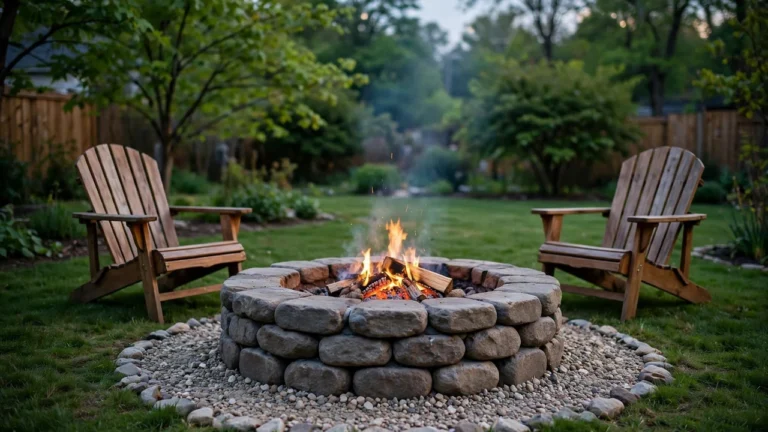
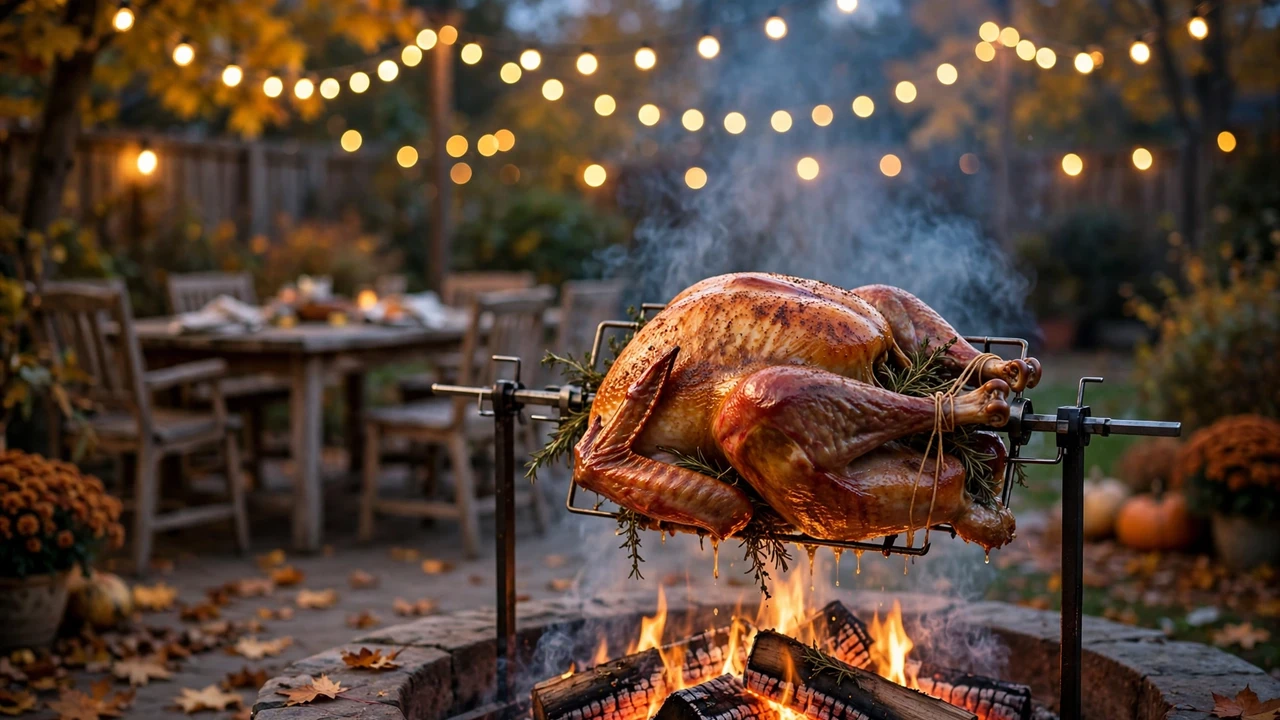
Can you cook a turkey on a fire pit? Yes, you can, and the result can be a smoky, golden bird with crisp skin and a real campfire flavor. A fire pit works best with a spit or tripod setup that holds the turkey above steady coals, not over tall flames. This guide walks through the full method, from thawing and prep to carving, with food-safety checks at each stage.
Cooking over open fire takes more attention than an oven. Heat shifts with wind and wood, so a meat thermometer is the tool that keeps the meal safe. Plan the cook for a day with calm weather and plenty of daylight, and keep the fire attended from start to finish.
Read the safety notes first if this is your first fire-pit cook. A few rules about fire placement, safe materials, and turkey temperatures make the difference between a great meal and a ruined one.
⚠️ Read This First: Fire Safety and Food Safety
Check local burn bans and fire rules before you light anything, and follow your fire pit maker’s manual. Never leave the fire unattended, and keep children and pets well clear of the pit at all times.
Use food-safe materials only. Burn untreated, seasoned hardwood, and never use painted, stained, or pressure-treated wood. Keep galvanized or coated metal away from food, and use a stainless steel spit and grate.
Keep a bucket of water or a hose close by, and put the fire fully out when you finish: drown the coals, stir them, and check that nothing is still hot before you walk away.
PREP
30 minutes, plus thawing days
COOK
Several hours — varies with bird size, wind, and fire heat
REST
20 minutes before carving
LEVEL
Moderate — best for cooks who have built a fire before
What You Need
- A wood-burning fire pit with a sturdy rim or frame that can hold a tripod
- A spit or tripod kit rated for the weight of your turkey, with a stainless steel rod and forks
- A drip pan that fits under the bird and can take heat
- Seasoned, untreated hardwood and dry kindling
- An instant-read meat thermometer (a leave-in probe thermometer helps too)
- Heat-proof gloves, long tongs, and a carving board with a juice groove
- Kitchen twine, salt, pepper, oil or butter, and herbs such as thyme and rosemary
- A bucket of water or a hose, kept close for the whole cook
If you are still picking a pit, our best type of fire pit buying guide compares wood, gas, and smokeless models. For this cook, a wood-burning pit with room for a tripod is the right match.
At a Glance: The 8 Steps
- Thaw the turkey safely
- Pick a safe spot for the fire pit
- Build a coal bed, not a bonfire
- Set up the spit and tripod
- Season and truss the turkey
- Cook low and slow over coals
- Check the temperature in three spots
- Rest, then carve
Step 1: Thaw the Turkey Safely
Thaw the turkey in the fridge, and give it time. The USDA guide is about 24 hours of fridge thawing for each 4 to 5 pounds of bird, so a large turkey may need several days. Keep the turkey in its wrapper on a tray on the lowest fridge shelf, so juices cannot drip onto other food.
Short on time? Use the cold-water method instead. Put the wrapped turkey in cold water, change the water every 30 minutes, and allow about 30 minutes per pound. Cook the turkey right after it thaws with this method.
Never thaw a turkey on the counter. Bacteria grow fast between 40°F and 140°F, a range food-safety guides call the danger zone. Keep the bird cold until it goes on the fire.
Step 2: Pick a Safe Spot for the Fire Pit
Set the pit on a flat, non-flammable surface, away from overhanging branches, dry leaves, and anything that can catch fire. Check burn bans and local rules first, since some areas ban open fires during dry spells. If a burn ban is in force, save this cook for another day.
Clearance matters more than most first-timers expect. Our guide to fire pit clearance from your house, trees, and fence shows how to measure safe distances before you light up. Wind matters too: if gusts keep blowing smoke and sparks toward seating or trees, move the cook to a calmer day.
Step 3: Build a Coal Bed, Not a Bonfire
Start with dry kindling and small splits of seasoned hardwood, then add larger logs as the fire takes hold. If you need a refresher, our guide on how to start a fire in a fire pit walks through the fire lay step by step. Let the fire burn down until you have a deep bed of glowing coals.
Cook over coals, not tall flames. Flames scorch the skin and leave the inside raw, while coals give steady, even heat. Feed the fire with a few logs at a time around the edges, so the coal bed stays hot without flaring up under the bird.
Step 4: Set Up the Spit and Tripod
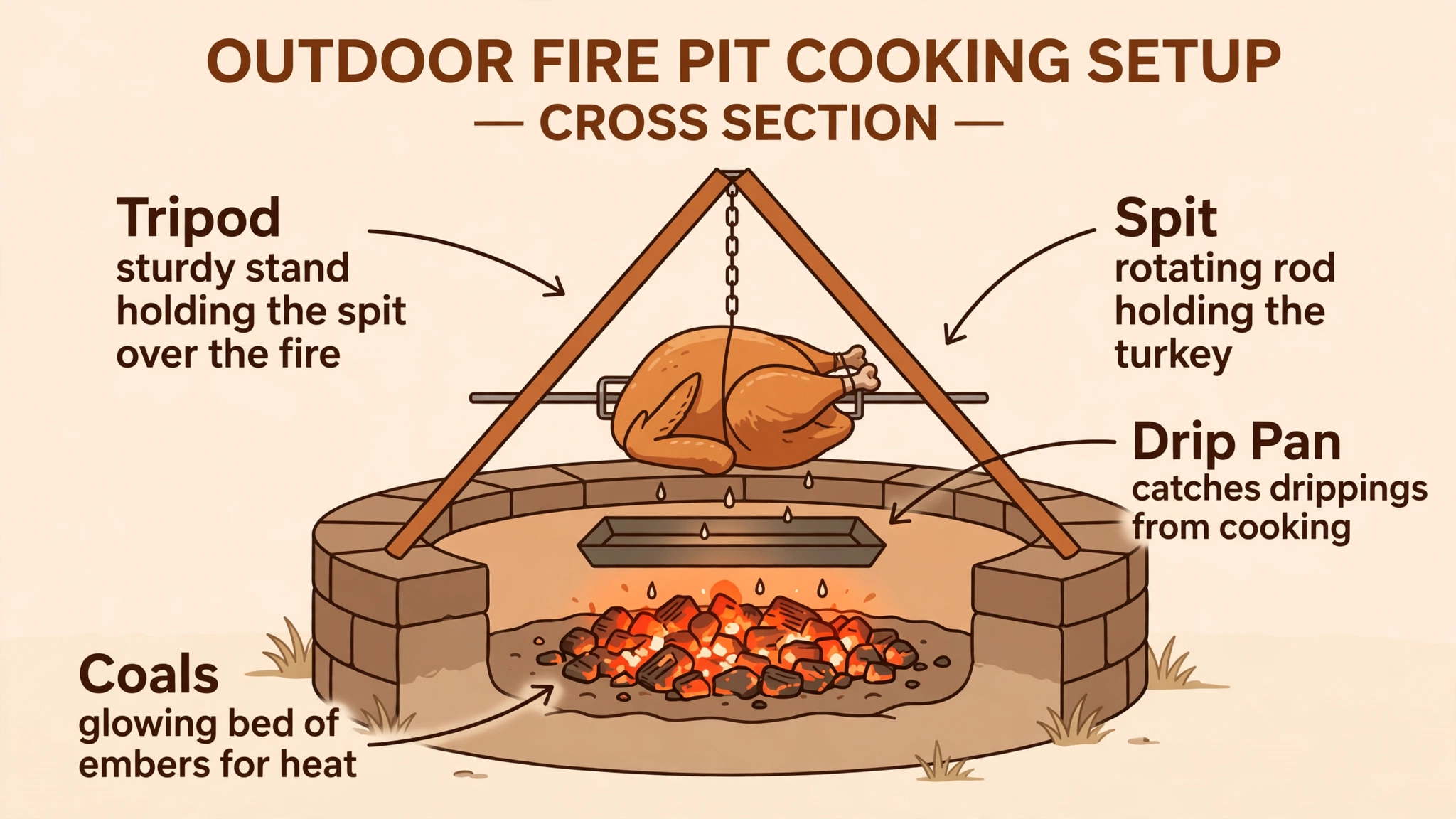
Set the tripod over the pit so the spit sits well above the coals, with room to raise or lower it. The legs must stand firm on level ground, and the whole frame must hold the turkey’s weight without wobbling. Test the setup with the empty spit first, and spin it to check that it turns freely.
Put a drip pan on the coals under where the bird will hang. The pan catches fat, which keeps flare-ups down and saves drippings for gravy. Check that the pan sits clear of direct flame so the drippings do not scorch.
Step 5: Season and Truss the Turkey
Pat the turkey dry inside and out with paper towels. Dry skin crisps better over coals, and it helps the seasoning stick. Rub the bird with oil or soft butter, then season it well with salt, pepper, and herbs.
Truss the turkey with kitchen twine: tie the legs together and tuck the wing tips behind the back. A compact bird spins evenly on the spit and cooks more evenly. Slide the spit rod through the bird, lock the forks in place, and check the balance before it goes over the fire.
Step 6: Cook Low and Slow Over Coals
Hang the turkey on the spit and start turning it. Turn it by hand every 15 minutes or so, or use a motor if your kit has one. Steady turning keeps one side from burning while the other stays pale.
Watch the coals, not the clock. Add a log or two at the edges when the heat fades, and pull back if flames lick the bird. This cook takes several hours, and the time shifts with bird size, wind, and fire heat, so plan for a long afternoon and let the thermometer call the finish.
Keep the fire attended the whole time. This is not a cook you walk away from, and guests should stay clear of the pit while the bird turns.
Step 7: Check the Temperature in Three Spots
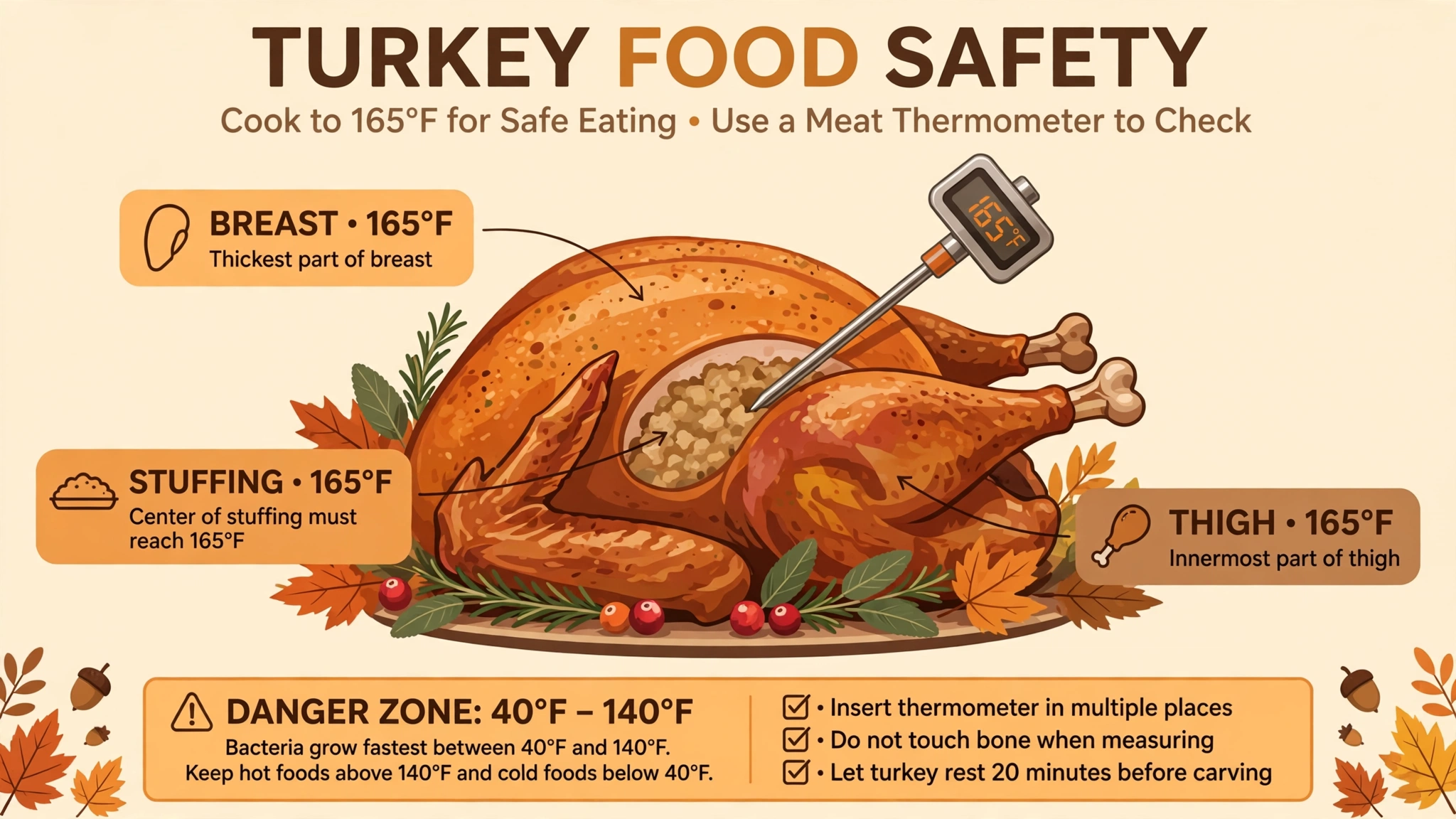
Check the thickest part of the breast, the innermost part of the thigh, and the center of any stuffing. Each spot must reach 165°F. Push the thermometer into the meat without touching bone, since bone reads hotter than the meat around it.
Check more than once. Fire-pit heat is uneven, so one good reading does not prove the whole bird is done. If any spot reads below 165°F, keep cooking and check again after a few more turns over the coals.
Step 8: Rest, Then Carve
Lift the turkey off the spit with heat-proof gloves and set it on a carving board. Tent it loosely with foil and let it rest for 20 minutes. Resting lets the juices settle, so the meat stays moist when you carve.
Carve the legs and thighs first, then slice the breast meat. Serve right away, and get leftovers into the fridge within two hours of carving. Once the meal is done, let the fire burn down and put it fully out: drown the coals, stir, and check for heat before you leave the pit.
When the pit is cool, a good clean keeps it ready for the next cook. Our guide on how to clean a fire pit covers ash removal and grate care.
Common Mistakes to Avoid
- Cooking over tall flames. Flames burn the skin and leave the center undercooked. Wait for a coal bed.
- Skipping the thermometer. Color and cooking time cannot prove a turkey is safe. Only a 165°F reading can.
- Using treated or painted wood. Chemicals in treated wood can reach the food. Burn untreated, seasoned hardwood only.
- Leaving the fire alone. Wind can shift fast, and a spit can slip. Stay with the fire from lighting to full extinguishing.
- Stuffing the bird and guessing. Stuffing must also hit 165°F in the center, so check it with the thermometer or cook it in a pan instead.
- Letting leftovers sit out. Refrigerate leftovers within two hours, and reheat them to 165°F before eating.
Frequently Asked Questions
Can you cook a turkey directly over flames?
No. Direct flames scorch the skin before the inside cooks through. Cook over a bed of glowing coals, and keep flames away from the bird.
What size turkey works best on a fire pit?
A smaller bird, around 12 pounds or less, cooks more evenly over a fire pit. Large birds take much longer, and the outside can dry out before the thigh reaches 165°F.
How do I know the turkey is done?
Use a meat thermometer. The thickest part of the breast, the innermost part of the thigh, and the center of any stuffing must each reach 165°F.
Can I use a gas fire pit to cook a turkey?
Most gas fire pits are built for warmth, not cooking, and their burners may not hold a spit or handle food weight. Check your pit maker’s manual first, and see our propane vs natural gas fire pits guide to compare pit types. A wood-burning pit with a tripod is the safer choice for this cook.
What wood should I burn for cooking a turkey?
Burn seasoned, untreated hardwood such as oak, maple, or fruit woods. Never burn painted, stained, or pressure-treated wood, and keep coated or galvanized metal away from food.
🔥 Quick Reference Card
- Safe temperature: 165°F in the breast, thigh, and stuffing
- Danger zone: 40°F to 140°F — keep turkey out of this range
- Thawing: about 24 hours per 4–5 pounds in the fridge
- Rest time: 20 minutes before carving
- Leftovers: into the fridge within 2 hours
- Fire rule: attended at all times, fully out before you leave
Final Thoughts
Yes, you can cook a turkey on a fire pit, and it can be a meal guests remember. A coal bed, a steady spit, and a thermometer are the three things that matter most. Respect the fire, check the temperature, and give the bird time to rest. Do those things well, and the fire pit earns its place at the holiday table.